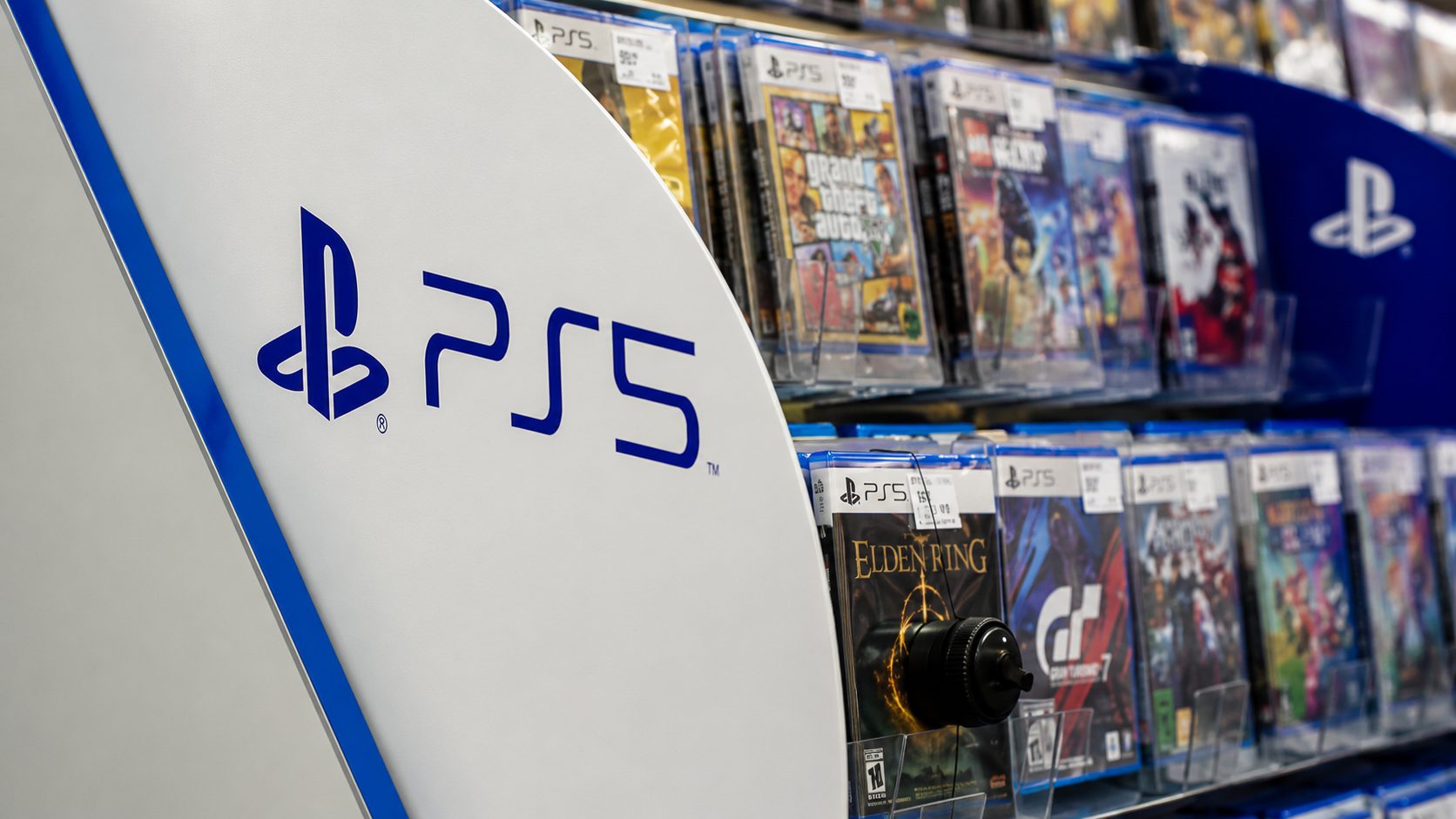
At Anime Expo 2026, Sohei Niikawa — the mind behind Disgaea and former Nippon Ichi Software CEO — responded to Sony’s plan to stop producing physical disc releases for new games starting January 2028. His take was polite, precise, and devastating. He said he understood the business logic. Then he said Sony’s executives have no clue what they’re actually discarding.
“I don’t think they understand the feelings of those fans,” Niikawa said, according to Noisy Pixel.
The Logic Sony Didn’t Follow to Its End
Niikawa’s argument is structurally simple: remove the disc, and the console itself becomes pointless.
His critique has a satisfying internal consistency. If Sony removes physical packaging entirely, why bother with a console at all? A television would be enough. Stream everything. No box, no disc, no shelf, no tangible object. “If you’re going to get rid of physical games, you may as well go all the way,” Niikawa said.
That signed game box at a convention booth — the gaming equivalent of a vinyl sleeve marked up with a Sharpie — becomes extinct. Not because fans stopped wanting it, but because a platform holder decided the margins weren’t worth the trouble.
A few confirmed facts anchoring this story:
- Sony confirmed it will cease disc production for new titles from January 2028, calling it a “natural direction”
- Niikawa’s comments were made at Anime Expo 2026, reported by Noisy Pixel
- Yoko Taro has voiced sadness over the loss of physical media, joining a broader chorus of developer concern
- Fan backlash to Sony’s announcement has been described as widespread and intense across online platforms
Ownership Is the Real Casualty
The preservation problem runs deeper than nostalgia — it’s about what you actually control.
Sony frames this as following consumer behavior. Digital sales have reportedly outpaced physical, with digital full-game purchases accounting for roughly 80% of PlayStation sales by 2025. But behavior and preference aren’t the same thing — like how everyone uses self-checkout without actually enjoying it.
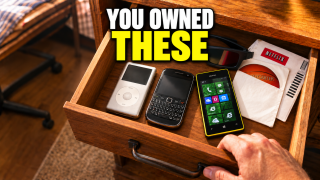
The harder question is ownership. Digital licenses can be revoked. Storefronts close. Many current physical releases already require substantial day-one patches to function, making the “physical” label feel increasingly like a Netflix password you’re borrowing from a corporation.
Physical releases may survive as premium, limited-run collector items from specialty publishers. But the standard boxed game on a retail shelf is approaching its final stage. The question worth sitting with isn’t whether Sony’s data is wrong — it’s what disappears when a company optimizes for trends and never stops to ask what those trends actually meant to the people living them.