Audiences think they spotted generative AI in “The Further Mis-Adventures of Cliff Booth.” Neither David Fincher nor Netflix has confirmed it.
The clip spread after early screenings, with viewers citing it as what they believed to be proof of generative AI in Fincher’s new Netflix film. The allegation remains unverified.
What the Film Actually Is
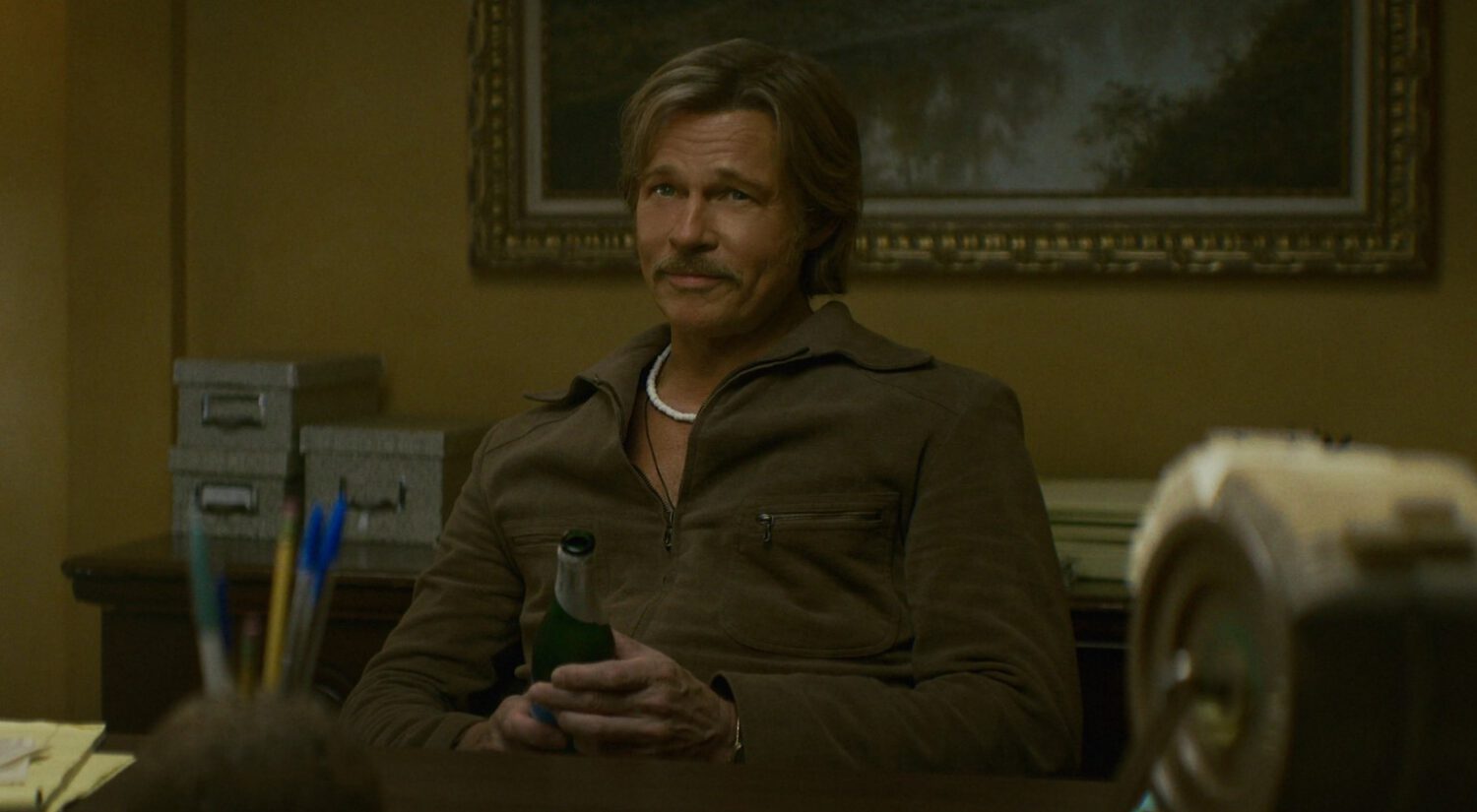
“Cliff Booth” is a Netflix sequel to Tarantino’s “Once Upon a Time in Hollywood,” directed by Fincher with Brad Pitt reprising the lead role.
“The Further Mis-Adventures of Cliff Booth” continues the story of the character Brad Pitt originated in Quentin Tarantino’s 2019 film. Fincher directs, Pitt reprises the role, and Netflix distributes.
How the Backlash Spread
A post-screening reaction from filmmaker and YouTuber Patrick Tomasso was among the early posts to amplify the allegations widely.
Tomasso attended a critics screening and posted a strongly worded reaction describing alleged AI use as unusually blatant. Other social media users amplified the claim, with some calling for a boycott, according to secondary reports; no canonical, authenticated post is available to independently document that reaction.
Why Fincher Is a Particular Target
His widely documented reputation for meticulous visual control makes visibly inconsistent imagery especially damaging to his public standing, regardless of the method that produced it.
Critics who have written about the controversy note that Fincher’s career has been defined by technical precision. Apparent visual inconsistencies in his work are therefore read by some observers as a significant breach of expectation, whatever technology was involved.
What Fincher Actually Said
His public comments were a general defense of technological openness, not a confirmation of AI use in the disputed scenes.
Speaking to the Los Angeles Times, Fincher said, “I’m not a Luddite, so I don’t fear the unknown.” He also questioned why filmmakers would reject available tools, telling the paper, “Well, it exists. Should we not use it?” He framed filmmaking as a young art form that should continue to evolve. He did not specifically address the contested imagery or confirm that generative AI produced it.
Where the Evidence Actually Stands
No production statement or technical analysis has been identified in the reporting reviewed that would confirm or deny the specific allegations.
Fincher has not confirmed AI use in the disputed scenes. Netflix has not confirmed or denied it. The carriage image could reflect conventional CGI, digital compositing, or an intentional creative decision; online visual inspection cannot conclusively identify the method used.
Context That Does Not Resolve the Question
Fincher’s prior use of AI-related restoration tools and Netflix’s broader AI investments are documented separately but do not establish anything about this production.
Fincher previously used AI-related tools during the 4K restoration of “Se7en,” a distinct postproduction context involving image repair rather than the generation of new footage. Netflix has also pursued AI technology more broadly, according to reports. Neither fact establishes that generative AI was used in “Cliff Booth.”
The Allegation Remains Open
Neither Fincher nor Netflix has addressed the specific scenes at the center of the dispute.
Until a production statement, technical disclosure, or documented credits analysis surfaces, the core claim stays unverified. What the reporting does confirm is that a disputed trailer image has made a Fincher film the latest contested ground in Hollywood‘s ongoing argument over AI-generated imagery.