A harmful algal bloom hit Lake Erie in August 2014, forcing roughly 400,000 Toledo-area residents to stop drinking their tap water use, according to the University of Toledo. That event highlighted how quickly a bloom near a water intake can become a public-health emergency.
What an Ultrasonic Buoy Actually Does
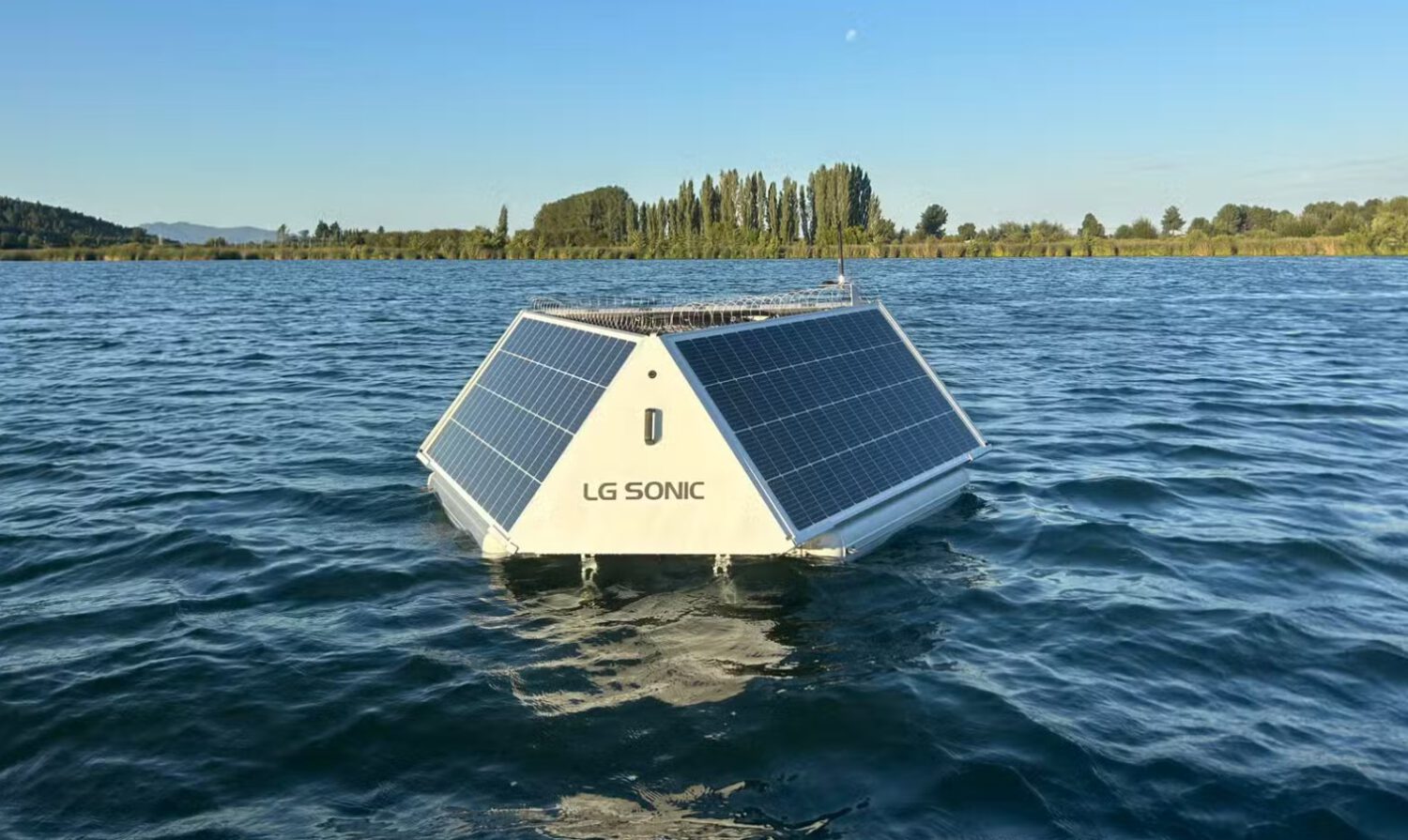
LG Sonic’s MPC-Buoy combines continuous water-quality sensing with acoustic treatment, though the company’s performance claims are not independently validated in the research underlying this article.
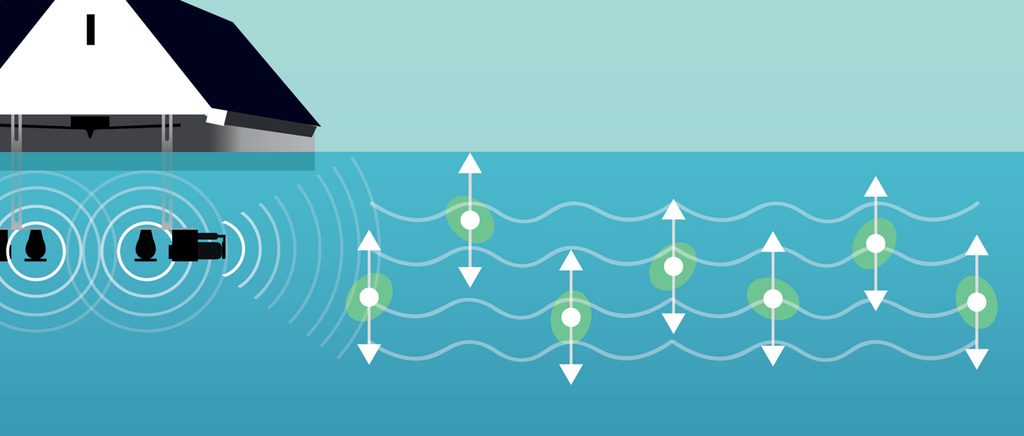
The MPC-Buoy, made by Dutch water-technology company LG Sonic, works in two stages. Solar panels power sensors that measure chlorophyll, phycocyanin, pH, turbidity, dissolved oxygen, and temperature approximately every 10 minutes, transmitting data that can flag changing conditions associated with algae growth.
The second stage is acoustic. The buoy directs low-power ultrasound through the upper water layer, targeting algae’s ability to regulate their position near the surface where sunlight fuels growth. LG Sonic describes the mechanism as disrupting that buoyancy control without releasing chemicals into the water.
That chemical-free distinction matters to utilities weighing regulatory and ecological tradeoffs. It does not establish that the system works equally well across different lakes, reservoirs, or bloom types; independent, peer-reviewed field validation of bloom-reduction effectiveness is not available in the research underlying this article.
Three Things a Buoy Cannot Do Alone
Detecting a bloom, suppressing algae in source water, and delivering safe tap water are separate problems that require separate solutions.
Sensor readings confirm that water conditions are changing; they do not confirm that cyanotoxins are absent or at safe levels. Laboratory testing of microcystins and other toxins remains necessary for confirming toxin concentrations.
Treatment-plant safeguards, intake management decisions, and public notification systems all sit between a buoy’s readings and the water reaching a consumer’s tap.
A Chemical Alternative From University of Toledo Researchers
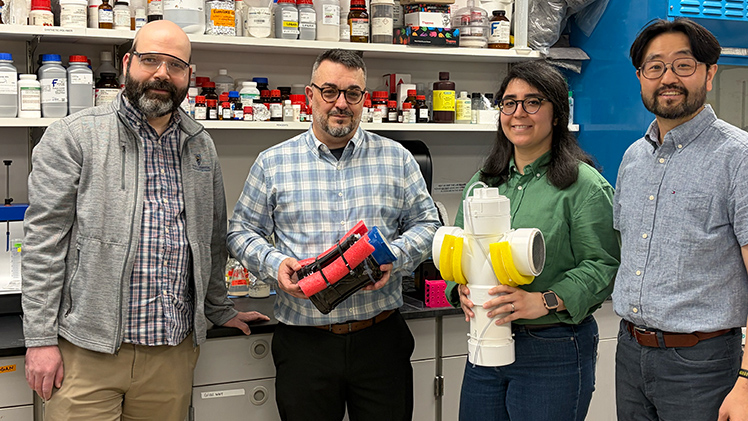
A hydrogel buoy developed at the University of Toledo takes a controlled-release approach that differs fundamentally from acoustic suppression.
University of Toledo researchers have developed a buoy that slowly releases a hydrogen-peroxide-based algaecide through hydrogel disks over weeks or months. The approach introduces an active chemical treatment, which carries different permitting, monitoring, and ecological considerations than the LG Sonic acoustic method.
These two designs are better understood as complementary strategies with different tradeoffs than as competing products solving the same problem the same way.
The Problem Neither Buoy Solves
Nutrient pollution from farms, stormwater, and wastewater still drives most freshwater algal blooms, and no in-water device addresses that upstream source.
Phosphorus and nitrogen entering waterways from fertilizer runoff, manure, and municipal wastewater are a major driver of bloom formation. Buoys can improve early detection and provide local suppression, but reducing nutrient loads at the source is central to reducing long-term bloom risk.
Sensor-equipped buoys add one layer to a broader protection system. They are useful and potentially valuable, but not a substitute for watershed-level nutrient management.