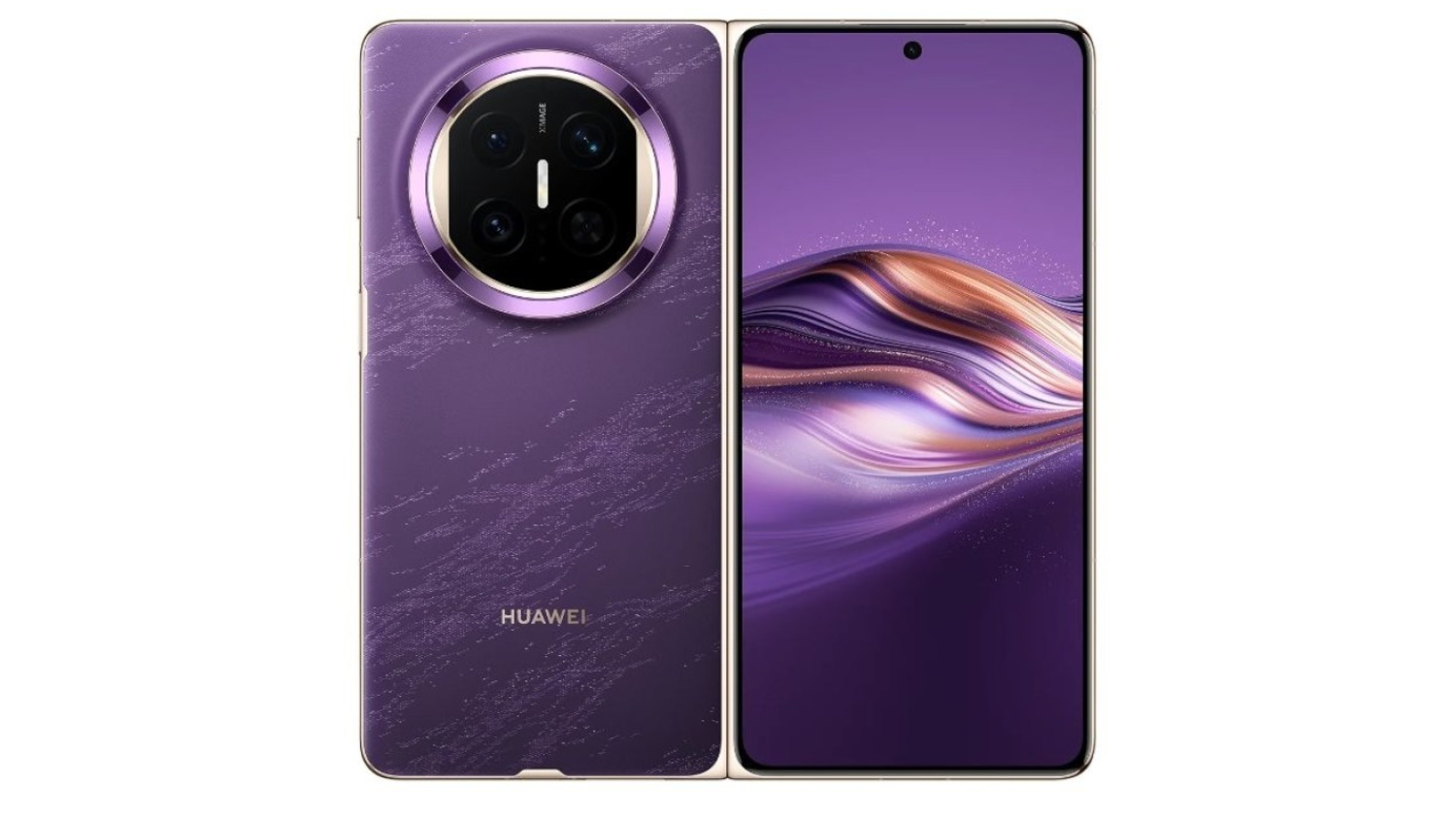
The Mate X8’s redesigned hinge uses a 0.1mm magnetic composite and aerospace-grade steel laminate to actively flatten the inner display after each fold.
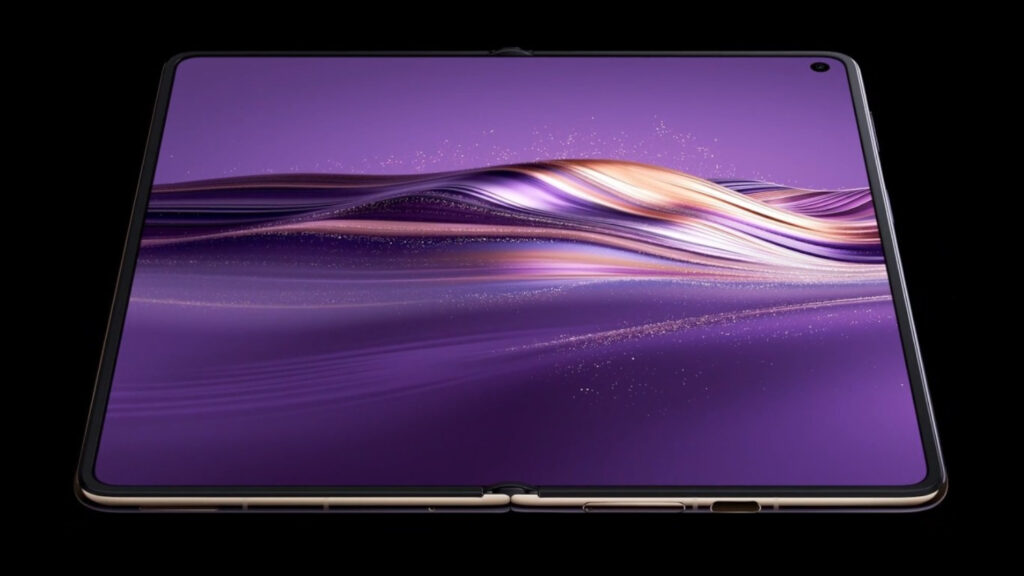
Huawei launched the Mate X8 in China this week, targeting one of the most persistent complaints about book-style foldables: the visible, tactile crease down the center of the inner screen. The hinge is built from a 0.1mm magnetic composite and aerospace-grade steel laminate, a construction Huawei says enables a controlled-flattening action rather than simply allowing the panel to relax on its own.
Huawei claims the structure allows the inner display crease to recover 99.9% after bending. That figure has not been independently verified. Nine anti-reflective coating layers on the inner panel are also intended to reduce crease visibility under light, and the phone measures 4.2mm unfolded and 8.95mm folded.
Two Displays, Both Pushing Brightness
The internal panel targets productivity with a near-square aspect ratio, while the external screen matches it on refresh rate and exceeds it on claimed brightness.
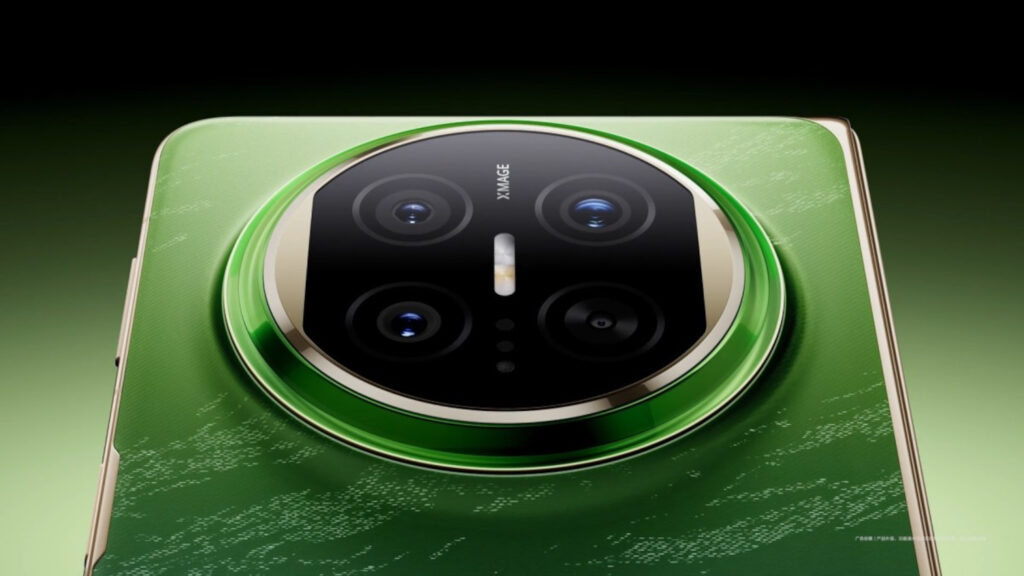
The 8.2-inch internal LTPO OLED panel uses a near-square 1:1 aspect ratio, adaptive refresh rates up to 120Hz, and a Huawei-claimed peak brightness of 8,000 nits. The 6.54-inch external display is a dual-layer LTPO OLED panel with a 19.4:9 aspect ratio, the same 120Hz ceiling, and a claimed peak brightness of 12,000 nits. Both figures are Huawei’s own and await third-party confirmation.
Kirin 9050 Pro Under the Hood
Huawei attributes a 31% overall performance gain and a 140% faster neural processing unit to the new Kirin 9050 Pro chipset, compared with the Mate X7’s platform.
The phone runs HarmonyOS 7 and supports Bluetooth 6.0, satellite connectivity, NFC, and eSIM. A 6,200mAh battery supports 66W wired charging and 50W wireless charging, and readers focused on maximizing battery life will find practical guidance worth consulting.
Available reports conflict on the water-resistance rating, citing both IP58 and IP59. Readers should verify the confirmed rating against Huawei’s official product documentation before relying on either figure.
Three Cameras and a Modular Add-On
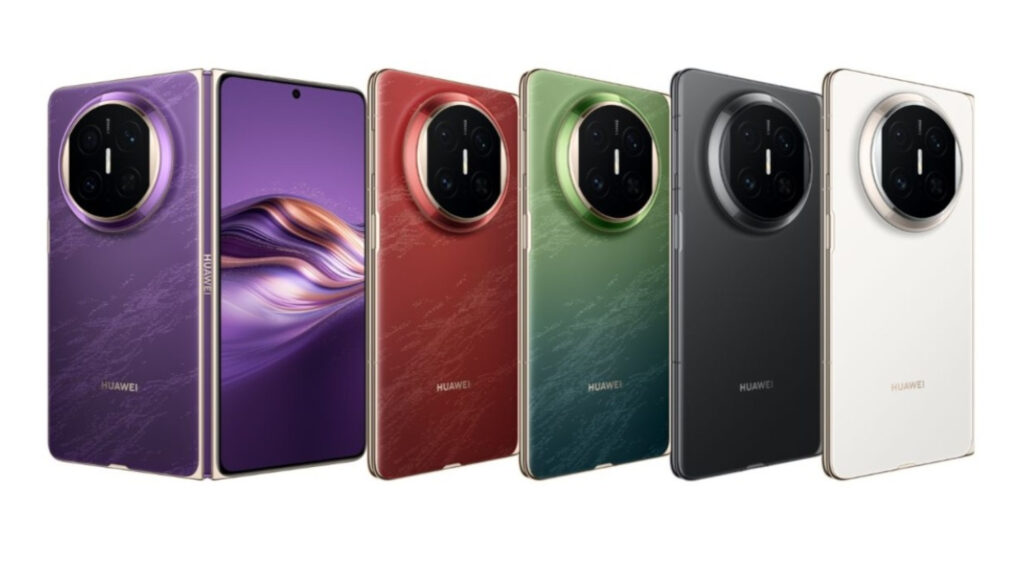
The rear system pairs a 50MP variable-aperture primary camera with a 40MP ultra-wide and a 50MP periscope telephoto at 3.5x optical zoom, all with optical image stabilization.
Both the inner and outer displays carry 8MP selfie cameras. Huawei also includes a third-generation Red Maple color sensor supporting its color-rendering system.
The optional Ruiying Z10 accessory attaches via a dedicated connection shell and control handle, adding a 1-inch 50MP RYYB sensor with optical stabilization and its own Red Maple color sensor. Shoppers weighing this system against the best cameras available at various price points may find useful context. How well it performs in practice remains unclear; accessory pricing, autofocus speed, and software integration are all unconfirmed in available material.
Pricing Starts at CNY 12,999
Chinese pricing opens at CNY 12,999, roughly $1,950, for the 12GB/256GB configuration.
The 12GB/512GB version is priced at CNY 13,999. The Collector’s Edition starts at CNY 15,999 for the 16GB/512GB model and reaches CNY 20,999 for the top-tier 16GB/2TB version.
General sales in China begin December 4, and the 2TB Collector’s Edition follows on December 20. All pricing and availability figures refer to China. No international launch timing or regional pricing was identified in the available material, so prospective buyers outside China should monitor Huawei’s regional channels for any future announcement.