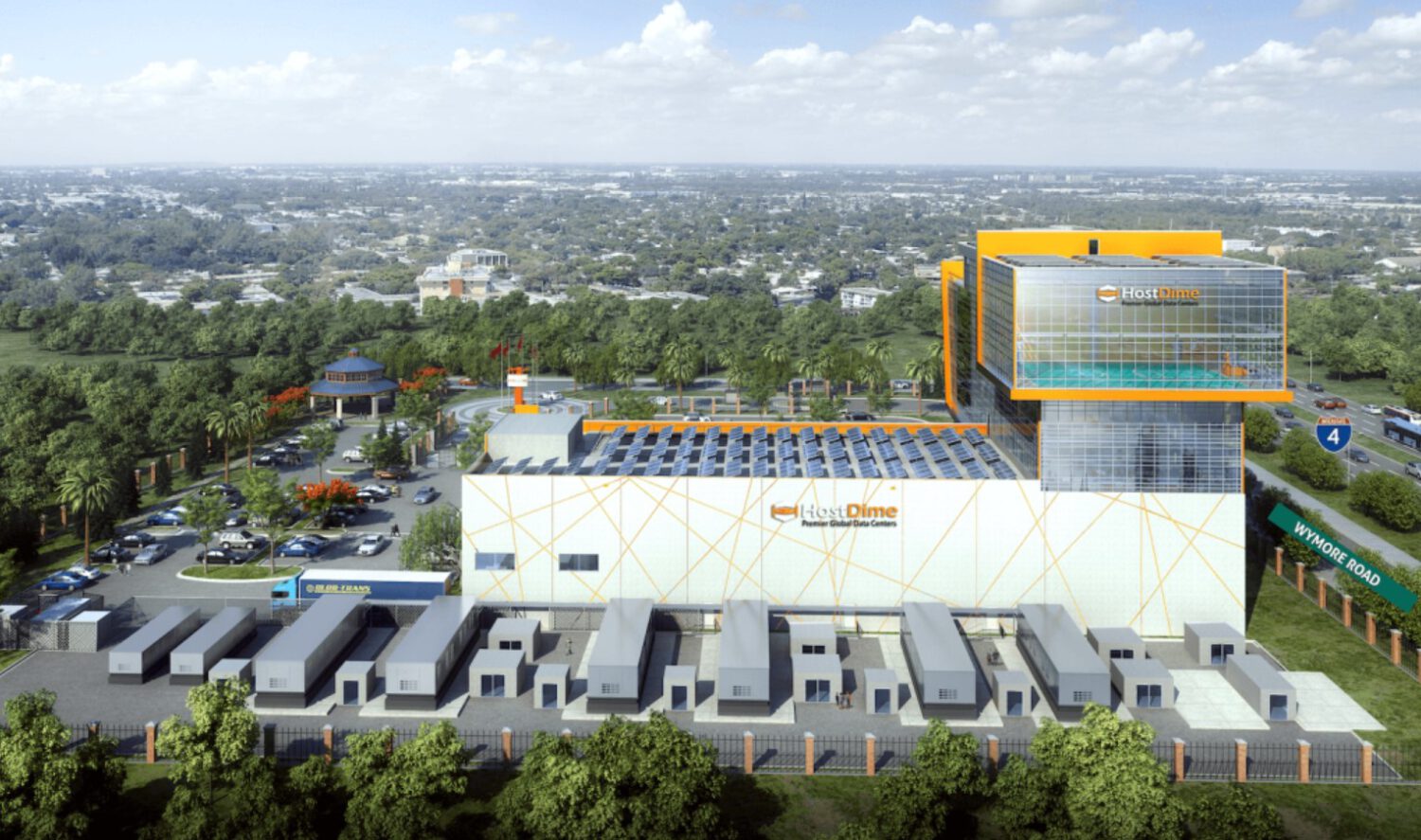
HostDime began developing a data center on the former Robert Hungerford Normal and Industrial School property in Eatonville, Florida, and pitched free at-home Wi-Fi for every resident as a headline benefit. What the company proposed instead, according to WESH and Capital B News, was a single antenna mounted on the facility to deliver public Wi-Fi to the surrounding area.
CEO Manny Vivar told a town council meeting the original offer came “from a pure heart,” and acknowledged he presented it without working through the technical details. Residential service, he later said, was simply “not sustainable.”
Land That Was Never Just Land
The Hungerford School’s history turns this property dispute into something larger than a delayed construction project.
The Hungerford School opened in 1897 as a boarding school for Black students, combining academic instruction with skilled trades training. The land was originally held collectively by Eatonville residents before being placed in trust for the school.
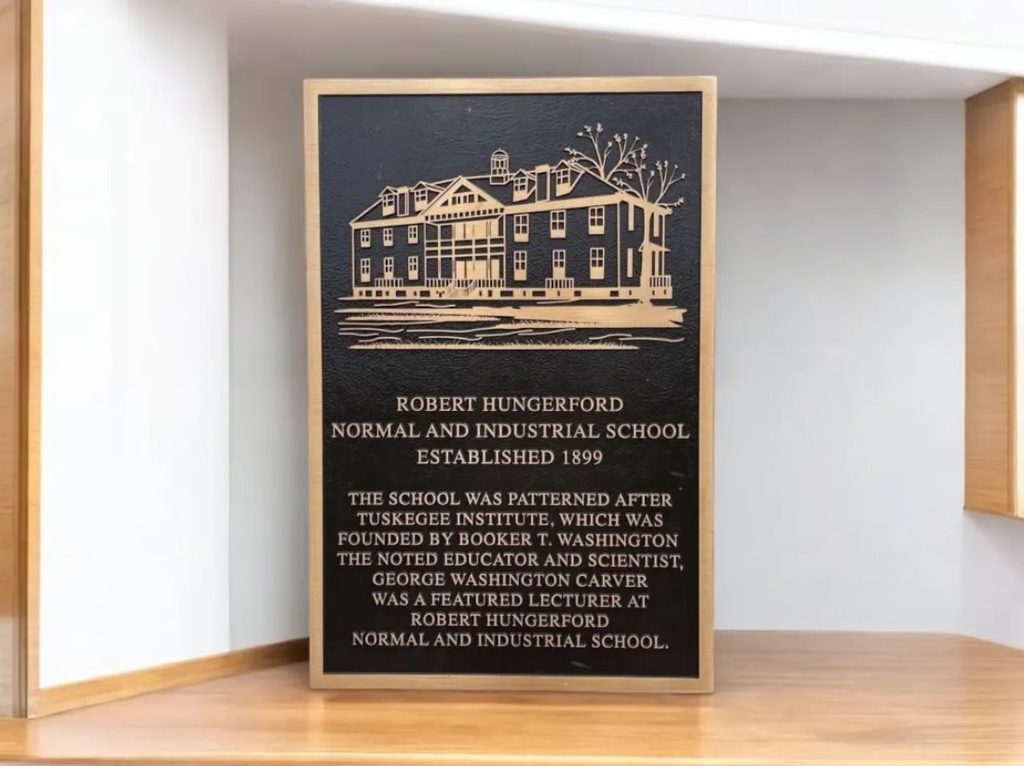
Eatonville, founded in 1887, is widely recognized as America’s first incorporated all-Black municipality. That history is not incidental; it is why the property’s future carries weight that far exceeds its acreage.
No Paper, No Promise
The gap between what was said and what was signed is where accountability disappears.
Public records reviewed by WESH found no written agreement requiring HostDime to deliver residential Wi-Fi to Eatonville households. Town officials could not locate such a document, though a contemporaneous report from the Orange Observer stated the developer agreement did require free Wi-Fi for all residents; that conflict remains unresolved in the available record.
HostDime also discussed scholarships, STEM training, and broader educational programming for residents, according to Capital B News. Whether any of those commitments have been legally secured or delivered remains unclear from available reporting.
A 1951 Florida Supreme Court order required the school board, which acquired the property after litigation, to use the land for the education of Black children. That legal obligation did not prevent roughly five acres of the property from becoming a data center site.
Distress Is Not an Excuse to Exploit
Eatonville’s fiscal condition explains the pressure its leaders faced; it does not excuse the outcome.
Eatonville has carried a state financial-emergency designation for more than two decades. Average household income sits below $33,000, against roughly $80,000 countywide, according to Capital B News.
When a low-wealth community negotiates with a large developer from a position of fiscal distress, something predictable happens. Enforceable specifics get subordinated to the promise of investment, and developers who understand that dynamic have a responsibility to do more than promise from the heart.
A Larger Fight Over the Remaining Land
Five acres became a data center site; the future of the rest remains actively contested.
A proposed 2023 sale to Sovereign Land Co. covering approximately 100 acres collapsed after the Association to Preserve the Eatonville Community (PEC) challenged it, and the developer withdrew.
PEC has since filed a lawsuit challenging the proposed transfer of remaining property to Dr. Phillips Charities. The suit alleges that Orange County Public Schools improperly discussed the deal in closed sessions; the school district has called the lawsuit meritless.
Dr. Phillips Charities has proposed an early-learning center, housing, green space, and a history museum. Some residents support that vision, while others say they have received little meaningful information about it, according to Capital B News and ClickOrlando.
What Accountability Actually Looks Like
The lesson from Eatonville is structural, and it applies to every community being asked to host AI data centers.
Community benefits belong in binding development agreements, not in good-faith presentations to town councils. Those agreements need deadlines, performance benchmarks, public reporting requirements, and financial penalties when developers fail to deliver.
Advocates cited by Capital B News have raised the community land trust model as one structural alternative: a mechanism that preserves collective influence over historically significant land while permitting carefully negotiated development. For Eatonville, the gap between a promise and a contract is the gap between a town that shapes its future and one that absorbs costs while gains flow elsewhere.