Paying more for Apple‘s most expensive iPhone and getting fewer camera features sounds like a prank. It isn’t. The iPhone Duo costs more than the iPhone 18 Pro, runs the same A20 Pro chip, and shares the same 48MP Fusion main sensor. Yet Apple quietly stripped out nearly every tool that defines professional iPhone photography. Same engine. Different vehicle entirely. The gap runs far deeper than a missing zoom lens — and readers shopping across tiers may want to consider the best cameras available for broader context.
One Lens Short, And That’s Just the Start
The Duo’s camera system looks capable on paper — until you stack it against the Pro’s triple-camera array.
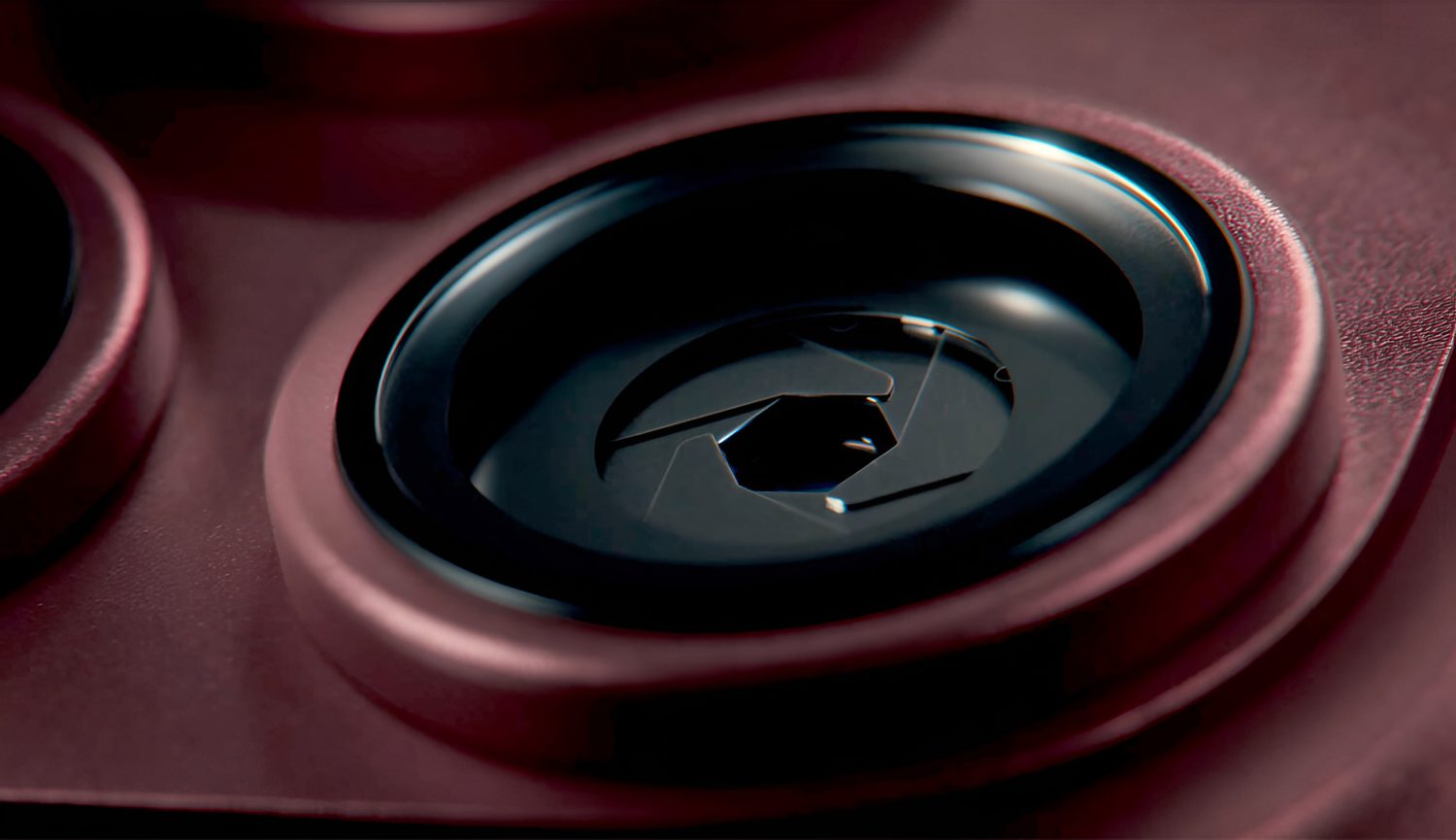
The 18 Pro packs three 48MP cameras: main, ultra-wide, and a dedicated telephoto with variable aperture — meaning you can physically adjust the lens opening between f/1.48 and f/4.0 for precise control over light and depth. The Duo gets two cameras: main and ultra-wide. No telephoto. No variable aperture. In zoom terms, that’s 2x optical-quality reach and 10x digital on the Duo versus 8x optical-quality and 40x digital on the Pro. Four times the reach, gone.
Here’s what else the Duo reportedly omits, according to CineD’s comparison and Apple’s iPhone 18 Pro Tech Specs page:
- No ProRAW or ProRes/ProRes RAW — high-data photo and video formats that preserve maximum detail for post-production editing
- No Apple Log 2 — a flat video profile cinematographers use to retain dynamic range before color grading
- No LiDAR scanner — the depth sensor enabling spatial video capture and faster low-light focusing
- No variable aperture or manual controls — the Pro lets you dial in f-stop and shutter speed; the Duo doesn’t
- No Apple Reference Image — a signed-pixel authenticity feature used to certify unaltered images for journalism and VFX
“The Duo shares the main sensor but drops most of the pro video stack.” — CineD
What the Price Premium Actually Buys
So what does the higher price actually unlock — and is it what photographers are paying for?
Smart Take, Duo Preview, Duo FaceTime, Night mode, and Cinematic mode are real, useful features. For social video, the Duo genuinely delivers. But those are lifestyle tools, not professional imaging infrastructure. Worth noting: the Duo’s front camera reportedly drops from the Pro’s 18MP to 12MP — a step backward on specs, despite the higher price tag, according to Ascendants.in.
What the Duo’s premium actually buys is foldable engineering, a nanotexture display finish, and an under-display inner FaceTime camera. That’s a legitimate value proposition — if a folding screen is what you need. But if your workflow touches ProRes, Log-encoded footage, or LiDAR-backed spatial video, the 18 Pro is almost certainly the correct choice. At a lower price.
The Duo is a beautiful object that happens to take good photos. The 18 Pro is a camera that happens to live in your pocket. Know which one you’re buying before that shipping confirmation lands.