Roughly one in five of Elon Musk’s time-based predictions has arrived on schedule, according to two separate audits with different sample sizes and methodologies. Clearer Thinking examined 43 predictions with assessable deadlines and found an on-time accuracy rate of approximately 16.28%.
A later audit summarized by UNILAD Tech assessed 25 measurable predictions and placed the on-time rate at 20%. The underlying auditor, primary dataset, and exact scoring rules for that review are not fully documented in available reporting.
Why the Distinction Between “Late” and “Wrong” Matters
An on-time standard is stricter than asking whether a prediction eventually came true, and that difference shifts the picture considerably.
Both audits measure whether a prediction arrived by the promised date, not simply whether it eventually materialized. Several forecasts Musk got directionally right came years after his stated timeline.
Treating a delayed outcome the same as a complete miss would overcorrect what the evidence actually shows.
Where He Got It Right
The 2008 Tesla product roadmap and Neuralink’s first human implant represent two different flavors of a hit: one strategic, one late but confirmed.
The strongest example in the record is Musk’s 2008 outline of Tesla’s product strategy, reported by CNBC. He described using revenue from the high-end Roadster to fund progressively cheaper mass-market vehicles. That sequence eventually produced the Model 3, though no specific date or price was promised in 2008, making this a paraphrased strategic framework rather than a dated forecast.
Neuralink’s first human brain implant, completed in January 2024 and confirmed by Neuralink and independently reported by Reuters, fits a different category. Musk had suggested human trials on a shorter timeline, but the milestone did occur.
The Clearest Misses
Full self-driving timelines and the one-million-robotaxi target represent the most specific and most clearly unmet entries in the available record.
Full self-driving is where the record is hardest to defend. Musk forecast a Tesla capable of full autonomy within roughly three years in 2015, within two years in 2016, and within the following year in 2018, according to The Independent. None of those deadlines produced a consumer vehicle with unsupervised Level 4 or Level 5 autonomy.
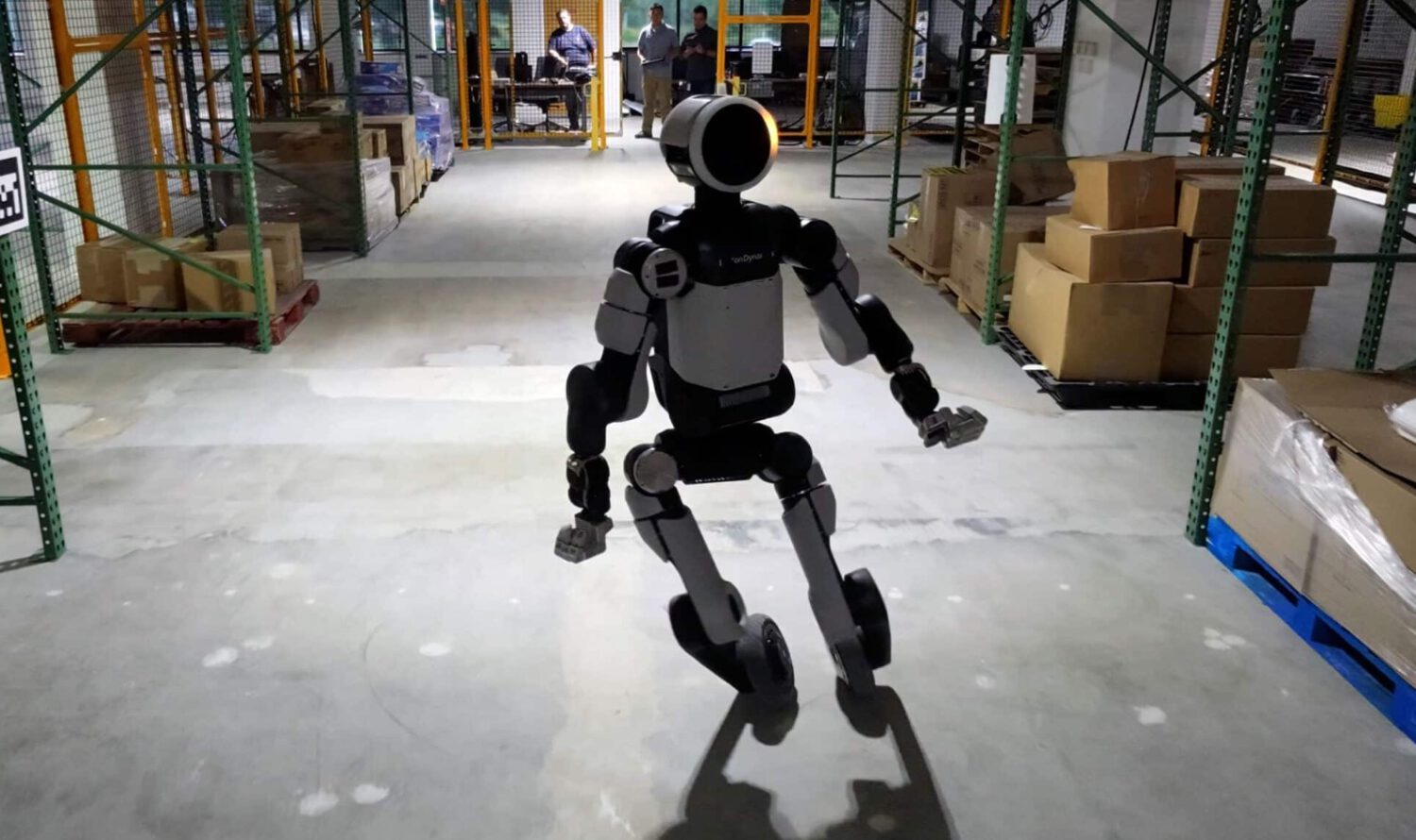
The prediction that Tesla would have more than one million commercially operating, truly driverless robotaxis on the road by 2020, reported by CNBC from Tesla’s 2019 Autonomy Day, is the most specific unmet entry in both audits. Human missions to Mars by 2024 or 2025 also passed without a crewed mission launching.
The Delayed-But-Unresolved Category
Not every missed deadline marks a dead prediction, and some long-horizon claims have not yet reached a testable state.
The second-generation Tesla Roadster missed its 2020 availability target. Its current status is unresolved in available reporting, placing it in a delayed rather than clearly falsified column.
Predictions about Mars colonization and other long-horizon technological shifts also remain unresolved, as their broader claims have not yet reached a clearly testable threshold.
What the Pattern Actually Shows
The consistent finding is not that Musk’s ideas are uniformly wrong; it is that his timelines are frequently more optimistic than the outcomes.
The 16% and 20% figures should be read as estimates from specific methodologies with specific sample sets. Clearer Thinking and UNILAD Tech applied different cutoff dates and distinct criteria for what qualifies as a measurable prediction.
Both audits point in the same direction: several forecasts eventually resembled reality, while the promised dates were missed by years or remain unresolved.
The Cost of Deadline Slippage
Directional accuracy and deadline reliability are not the same thing, and the accountability question follows from that gap.
Investors price in guidance. Consumers make purchasing decisions around promised features. Engineers staff programs around announced timelines.
When the vision is right but the timeline is not, the downstream costs are real. They fall on those who treated aspirational targets as firm commitments, and that is the accountability question both audits leave on the table.