Family myths die hard, but digital truth cuts faster. A simple name search now reveals what formal archive requests once required weeks to uncover: whether your ancestors joined the Nazi Party between 1925 and 1945. Die Zeit launched this searchable database in April 2026, transforming 10.2 million membership cards into instant family reckoning.
To put this in perspective, those 10.2 million members represented a significant portion of Germany’s population during the Nazi era, making these discoveries deeply personal for countless families today.
From Archive Requests to Instant Revelation
Previously, discovering Nazi Party connections meant filing requests with German Federal Archives or digging through US microfilm collections. The process took weeks. Now you type a name and learn within seconds whether great-uncle Klaus joined the party.
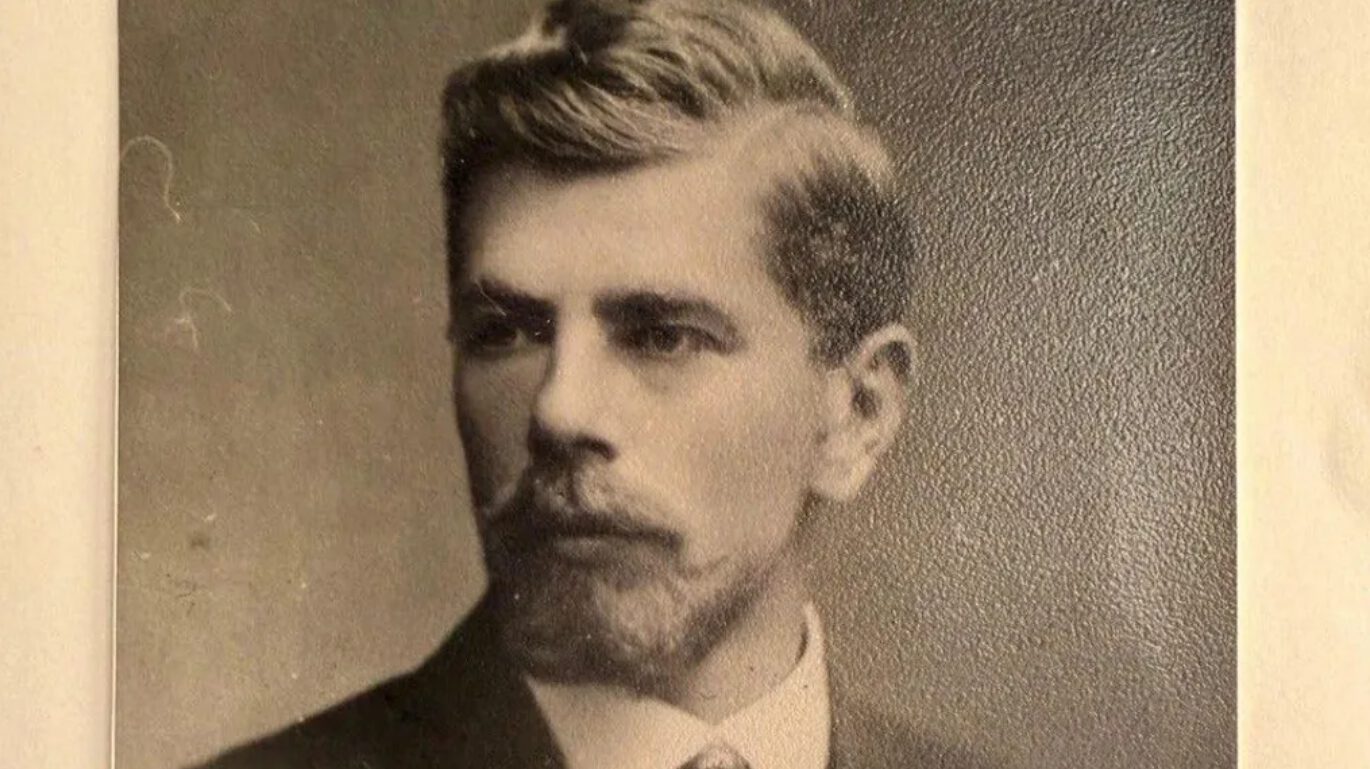
Austrian journalist Christian Rainer discovered his academic grandfather enrolled on April 21, 1938—just five days after Austria’s Anschluss. The timing confirmed Rainer’s suspicions but surprised him with its speed, showing how quickly educated Germans aligned with Nazi ideology despite understanding its implications.
Overwhelming Response Shatters Generational Myths
Die Zeit spokesperson Judith Busch reported “overwhelming” response with millions of database accesses. One 71-year-old user found two relatives listed, destroying decades of family mythology about wartime innocence. These discoveries hit like 23andMe results nobody asked for—except instead of finding distant cousins, you’re confronting your family’s darkest chapter.
The tool cleared Rainer’s father, who was drafted into the Wehrmacht in 1941 and wounded multiple times, providing relief alongside revelation.
Saved Cards, Digital Consequences
These cards should have been destroyed in 1945 on Nazi orders. Paper mill director Hanns Huber saved them instead. The records became crucial for post-war de-Nazification efforts, eventually landing in Berlin’s Document Center until 1994, then transferred to German Federal Archives. US microfilm copies went online in March 2026, giving Die Zeit the foundation for their searchable platform launched the following month.
Eighty years later, the uncomfortable truth remains: technology makes historical accountability inescapable. Your family’s wartime stories now face digital verification whether you’re ready or not.