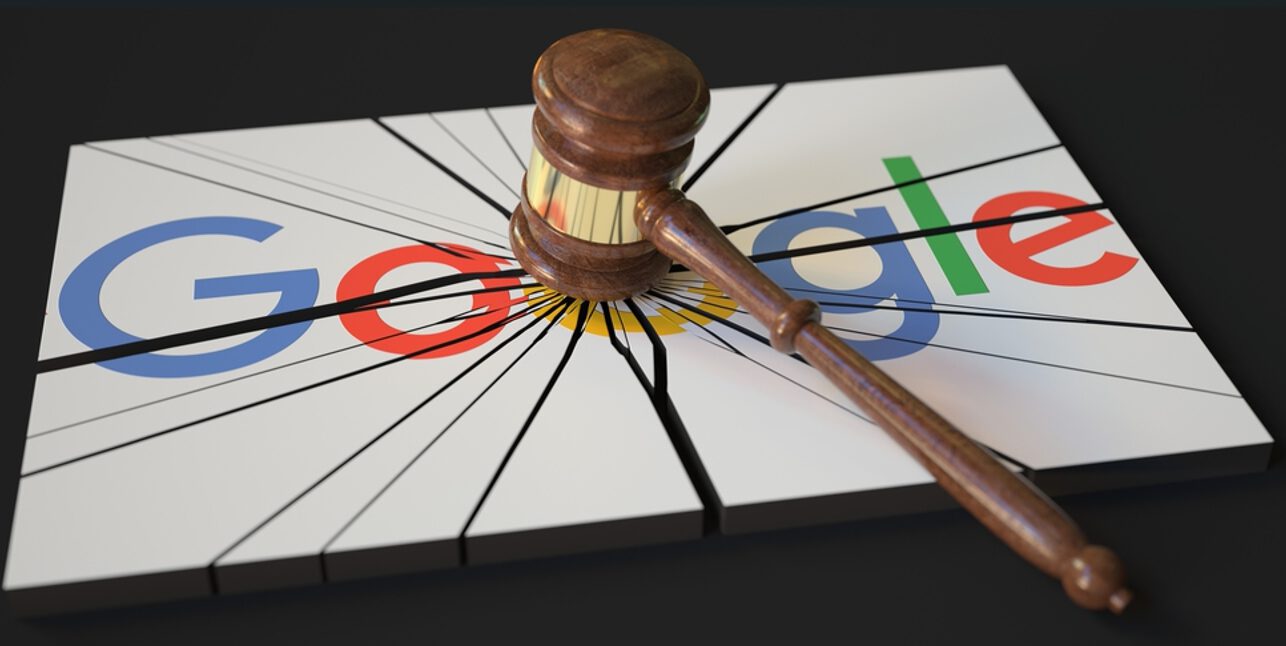
Sites that hijack the back button face Google’s ranking axe starting June 15, 2026. If your site uses exit-intent overlays, certain ad scripts, or history manipulation tactics, you’re in the crosshairs. This isn’t another vague algorithm update—it’s a targeted enforcement action with two months to audit and clean up before penalties obliterate your search visibility.
The Navigation Nightmare Google’s Targeting
Google defines back button hijacking as any practice that prevents users from navigating back to their previous page as expected. Instead of returning to where they came from, users get redirected to unvisited pages, bombarded with unsolicited ads, or blocked from leaving entirely.
Think of those frustrating moments when you click back and suddenly find yourself deeper in a content rabbit hole you never asked for—like trying to leave a Netflix autoplay queue that keeps pulling you back in.
Hidden Culprits Lurking in Your Code
The insidious part? Many site owners don’t realize they’re hijacking anything. Common culprits include:
- Third-party ad scripts that manipulate browser history
- Single-page applications with broken routing
- Aggressive exit-intent overlays that add phantom pages to your history stack
Even legitimate-seeming features like “recommended content” redirects or History API manipulations can cross Google’s new red line. Your ad stack might be sabotaging your search rankings without you knowing it.
Ranking Death Awaits Non-Compliant Sites
Google isn’t playing around with consequences. Sites caught hijacking face manual spam actions or automated ranking demotions that can tank search visibility overnight. The June 15, 2026 enforcement date gives you exactly two months to identify and eliminate offending code.
This grace period mirrors Google’s approach to other major policy shifts, offering time for compliance but promising swift action against holdouts who ignore the warning.
Your Audit Checklist Starts Now
Start auditing immediately. Check third-party scripts, ad networks, and any code that touches browser history or navigation. Test your back button functionality across different pages and user scenarios.
This isn’t about Google being unreasonable—these practices genuinely frustrate users and inflate artificial pageview metrics. The sites that clean up now avoid both ranking penalties and improved user experience that could boost engagement naturally.