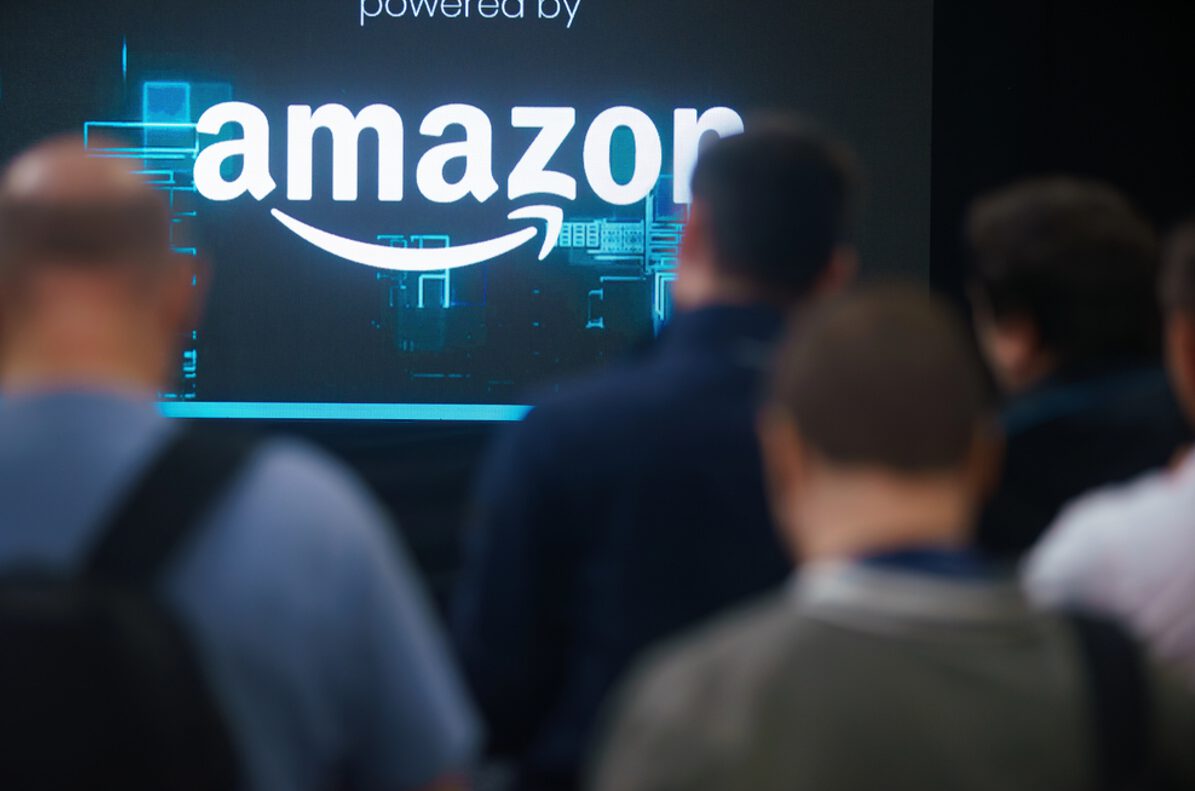
Dead zones shouldn’t exist in 2026, yet your smartphone still loses signal the moment you leave civilization. Amazon just dropped $11.57 billion to fix that problem, acquiring satellite operator Globalstar in a move designed to challenge Musk’s Satellite Empire.
The deal hands Amazon immediate access to 24 low-Earth orbit satellites, spectrum licenses across 120+ countries, and the infrastructure needed to fast-track its Project Leo satellite network.
The Race Against Regulatory Deadlines
Amazon needs 3,200 satellites operational by 2029 or faces FCC penalties.
The acquisition solves Amazon’s biggest space race problem: time. While Starlink operates over 10,000 satellites serving 9 million users, Amazon’s Project Leo has managed just 180-200 satellites so far.
“Acquiring Globalstar allows [Amazon] to catch-up on their D2D spectrum position, and leap ahead on D2D deployment,” according to Armand Musey from Summit Ridge Group. The $90-per-share deal (mixing cash and Amazon stock) requires regulatory approval from the FCC and antitrust authorities, with completion expected in 2027.
Your iPhone’s Lifeline Stays Connected
Apple’s Emergency SOS and satellite messaging features get new backing.
This isn’t just corporate chess—it directly impacts your pocket. Globalstar currently powers those iPhone Emergency SOS features that let you text for help when cell towers disappear. Amazon’s ownership ensures these services continue while expanding direct-to-device connectivity to more smartphones starting in 2028.
Think emergency messaging that works anywhere, like having a permanent backup internet connection that doesn’t rely on traditional cell towers. Your hiking photos might finally upload from the middle of nowhere.
David vs. Goliath Gets Serious
Industry consolidation accelerates as companies struggle to match SpaceX‘s scale.
The acquisition signals broader industry consolidation, as Austin Moeller from Canaccord Genuity notes the “continued consolidation… to compete with SpaceX’s scale.” Globalstar shares jumped 9% on the announcement, while Amazon stock rose 2.5%.
The deal compresses Amazon’s development timeline dramatically—instead of building satellite infrastructure from scratch, they’re buying a profitable company that generated $273 million revenue in 2025. Still, catching Starlink’s head start remains daunting when Musk’s network processes millions of user connections daily.
When your next smartphone advertises “works everywhere on Earth,” you’ll have this acquisition to thank. Amazon’s 2028 launch timeline positions satellite connectivity as standard rather than premium—assuming regulators approve and the company can execute at SpaceX-level speed.