A Latvian startup called Polemos Industries is developing AI-guided precision missiles designed to make lethal force cheaper to deploy, according to reporting by WIRED. Its investor materials frame weapons development around a central economic goal: reducing the military “cost per kill.” That framing positions the company not just as a hardware developer but as a rethinking of the financial calculus behind modern strike systems.
The Founder Behind the Pitch
The person driving that pitch is a 16-year-old who left high school to join one of Silicon Valley’s most prominent accelerators.
Henrijs Dandzbergs, the company’s Latvian-born founder, left high school to join Y Combinator’s fall 2026 cohort. WIRED described him as likely the accelerator’s youngest solo founder.
What Y Combinator Put In
The accelerator’s backing gives Polemos both capital and institutional credibility at an unusually early stage.
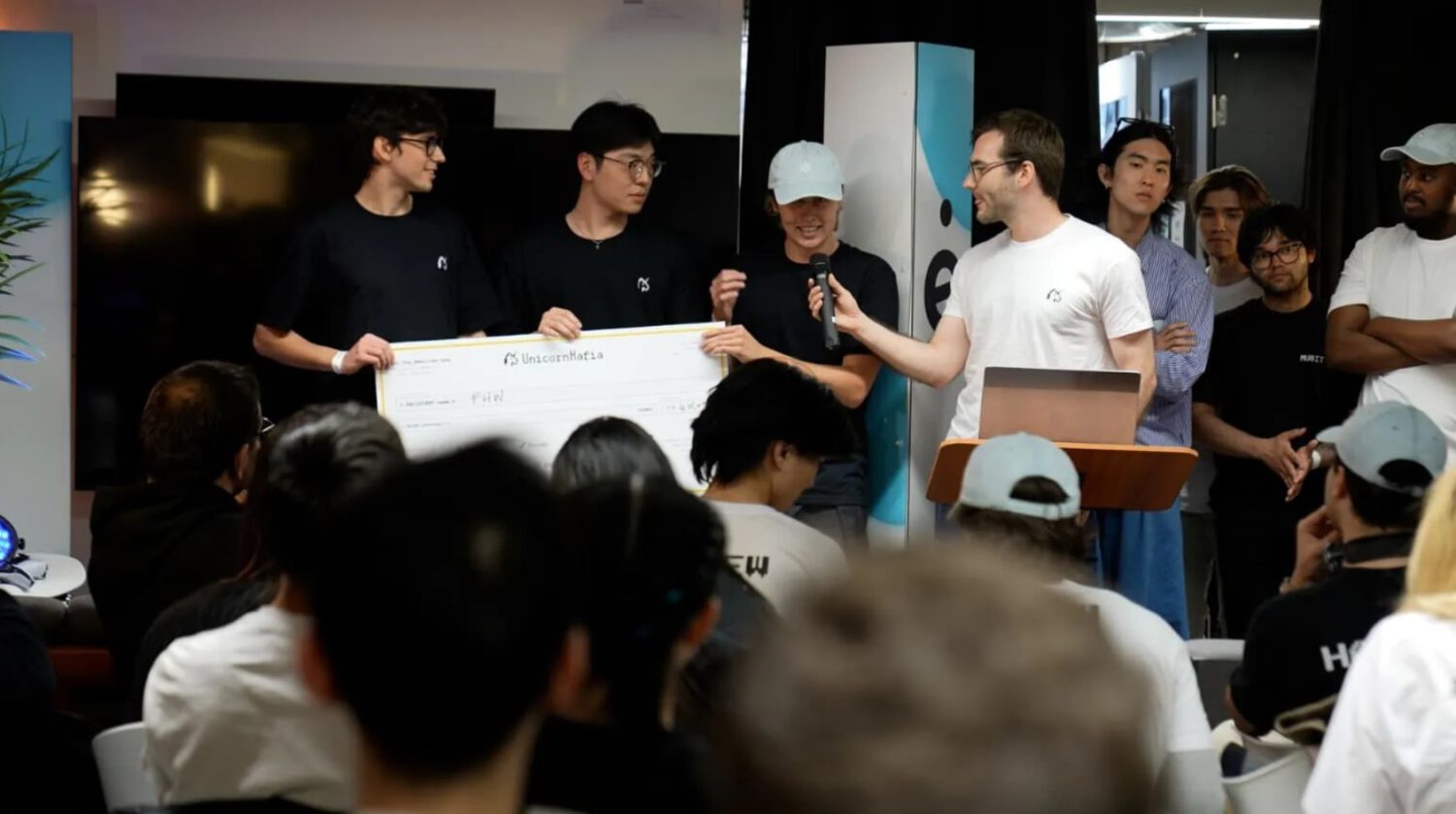
Y Combinator provided Polemos with $500,000 in seed funding, according to company materials reported by WIRED. The accelerator’s involvement does not independently confirm the specific dollar figure, as no separate YC financing disclosure was identified in available reporting.
The Gap Dandzbergs Says He Sees
His argument rests on a claimed space between cheap consumer drones and the expensive, complex systems that define conventional missile programs.
Dandzbergs identified what he describes as an unmet space between low-cost drones with limited payloads and large, expensive conventional missile systems. Polemos aims to build a weapon with greater precision and a larger warhead than most drones, while remaining cheaper to produce than traditional missile platforms. Those are the company’s stated objectives, not independently demonstrated results.
What the Company Claims Its System Can Do
On the technical side, the company describes capabilities that have not been validated outside its own materials.
Polemos says its proposed missile uses AI-assisted guidance, launches from portable platforms, and is designed to resist electronic jamming. Polemos’s Y Combinator profile goes further, stating that its AI guidance system takes over during the terminal phase of flight. None of these characteristics, including range, accuracy, production cost, or jam-resistance, have been independently verified in available reporting. All should be treated as development objectives rather than demonstrated capabilities.
Where Development Actually Stands
Dandzbergs reports progress on software, but a complete system remains unverified.
Dandzbergs says the company has completed its guidance software and begun hardware design work. No complete, operational missile system has been independently verified in available reporting. Polemos reportedly hoped to demonstrate a prototype by December 2026.
The Distance Between a Prototype and a Fielded Weapon
A prototype demonstration, if achieved, would still mark only an early step in a long regulatory and procurement process.
Even a successful prototype demonstration would leave substantial ground to cover. Flight testing, export controls, weapons regulations, manufacturing oversight, military evaluation, and government contracting are all standard requirements for any missile program. Available reporting does not detail Polemos’s current regulatory status or its legal authority to develop transferable weapons technology.
Why the “Cost Per Kill” Frame Matters Beyond the Headline
The economic framing signals a broader shift in who is pursuing military capabilities and how they are justifying the work.
Polemos reflects something larger than one founder’s ambitions. Framing weapons development as a unit-economics problem suggests that commercial iteration models are arriving in a domain where failure modes carry consequences far beyond a failed product launch. The company’s YC profile also raises significant autonomy questions, describing a system that takes over guidance in the terminal phase without clearly specifying target-selection authority or human-authorization procedures. Whether the system would identify and select targets independently, or operate under continuous human authorization, remains unanswered in available materials. Those distinctions matter for accountability and compliance with the laws of armed conflict. AI is making such accountability questions increasingly urgent across the defense landscape.
What Has to Happen Before These Claims Can Be Evaluated
Independent testing and regulatory clarity are the minimum threshold before Polemos’s technical assertions can be assessed seriously.
The company reports receiving $500,000 in funding, and its stated ambitions are documented across investor materials and its YC profile. What has not been demonstrated is a complete, independently verified operational missile system. Before Polemos’s technical assertions carry meaningful weight, verified prototype performance, regulatory approvals, and independent testing will all need to follow the company’s current claims.