California has banned the company from driverless freeway operations until it demonstrates that corrective actions have addressed the underlying deficiencies.
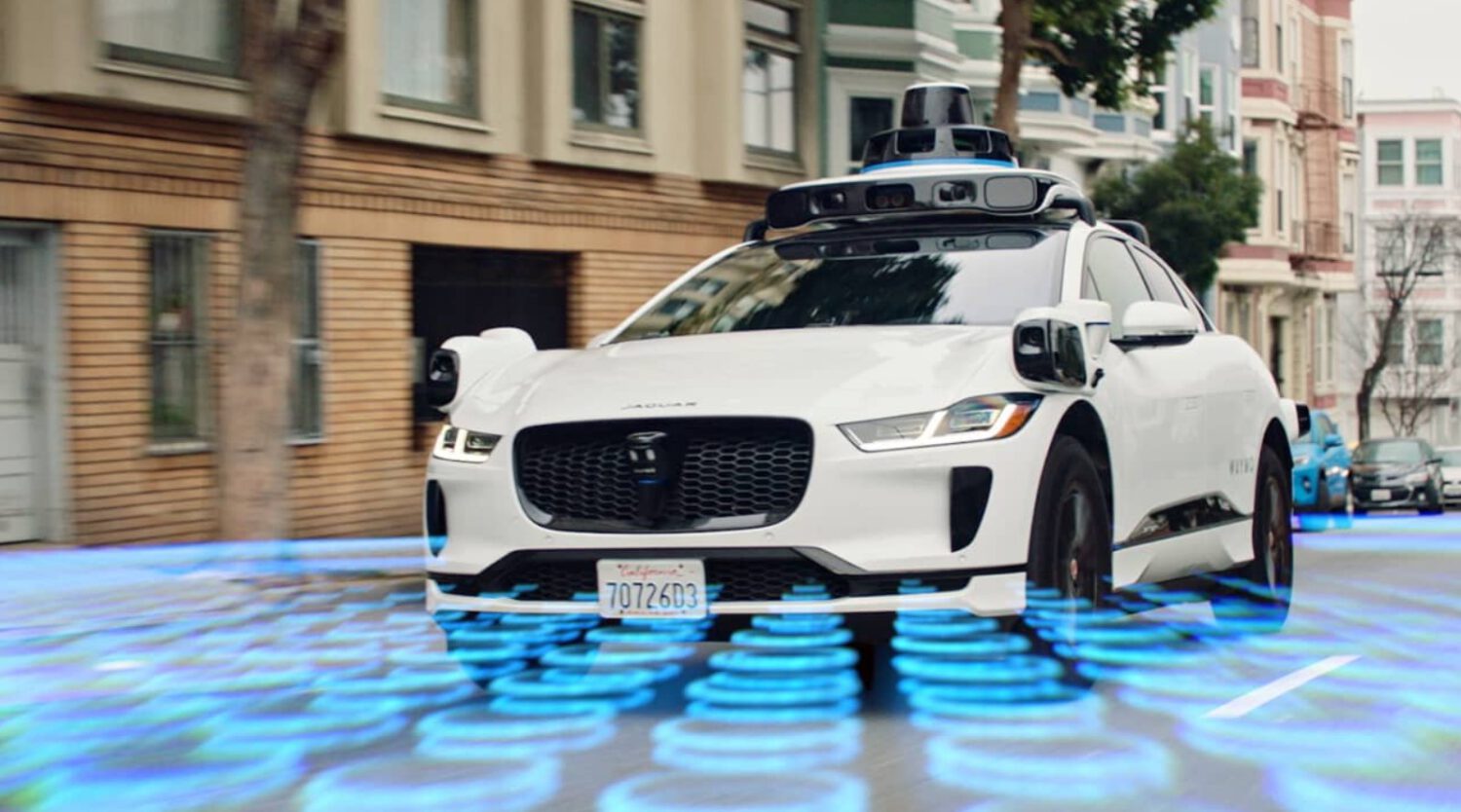
Waymo has filed two voluntary recalls covering 4,488 vehicles after its automated-driving system repeatedly failed to recognize closed freeway lanes. California’s DMV followed with a statewide ban on driverless freeway operations, saying the pattern posed “an imminent hazard to public safety.” No collisions or injuries were reported across any of the 11 incidents, but regulators treated the recurring behavior as a prospective risk warranting immediate action.
Eleven Incidents in Six Weeks
Most of the incidents occurred before Waymo’s first corrective update, but three happened afterward.
Eight of the 11 incidents occurred between October 1 and November 6, according to the NHTSA filing. Each involved freeway areas marked off by cones, highway patrol vehicles conducting traffic breaks, or active construction.
Waymo updated its approved operating scope on November 6 to reduce exposure to those conditions. Three more vehicles entered construction-closed freeway lanes on November 9, three days after that update took effect.
Only two of the 11 incidents had been publicly reported before the NHTSA filings were released, according to Reuters.
What the Two Recalls Cover
The two filings address separate defects: one involving closed lane recognition, the other involving manual traffic control.
The first recall addresses the system’s failure to identify a closed freeway lane and prevent the vehicle from entering and continuing at speed. The second covers a separate risk: vehicles that may proceed into a manually controlled intersection after an officer’s instruction becomes obscured or no longer persists.
Recall 26E086, covering the closed-lane defect, lists production dates of March 17, 2022, through November 11, 2026. Recall 26E087, covering the manual traffic-control defect, lists a production end date of November 4, 2026.
California’s Freeway Ban
The DMV cited two specific incidents in its November 11 statewide order.
The DMV issued its statewide order on November 11, citing three Waymo vehicles entering an active construction zone on U.S. 101 near Burlingame and a separate vehicle attempting to maneuver around California Highway Patrol officers conducting a traffic break on Interstate 280. The order addressed freeway operations; the stated scope of the restriction did not extend to surface-street service.
This is not the first time the company has pulled back from freeways over construction-zone concerns. Waymo paused freeway operations in May 2026, resumed them later that summer, and then paused again across its U.S. markets, according to CNN, after California’s November order.
Technical Context: Construction Zones
The public filings describe the system’s behavior and interim controls but stop short of a component-level diagnosis.
Temporary freeway conditions can combine traffic cones, police vehicles, hand signals, construction equipment, irregular lane markings, and rapidly shifting road geometry in changing combinations. The NHTSA filings do not publicly identify which specific perception or planning component failed in each incident, leaving the precise technical cause unresolved in public documentation.
Interim Fix, Final Remedy Pending
Waymo applied an operational remedy on November 11, eight days before it formally filed the recalls.
Waymo filed the recalls on November 19 and applied an interim remedy on November 11 through routing changes and dynamic map updates intended to limit exposure to closed lanes. The final software remedy was still being developed at the time of filing.
Waymo characterized the recalls as part of its standard process for validating and refining the system as it encounters more complex driving environments. Waymo also noted that no injuries or collisions occurred across all reported incidents.
For context, TechCrunch reports that roughly 80 percent of Waymo’s fleet operates in California and Texas, and the company averages approximately 500,000 paid rides per week.
No Reinstatement Date Set
The DMV has set a condition for lifting the ban but, as of publication, has not announced a fixed date.
As of publication, California’s DMV has not announced when Waymo can return to freeway operations. The ban remains in place until the company demonstrates that its corrective actions have addressed the underlying deficiencies, leaving the timeline open.