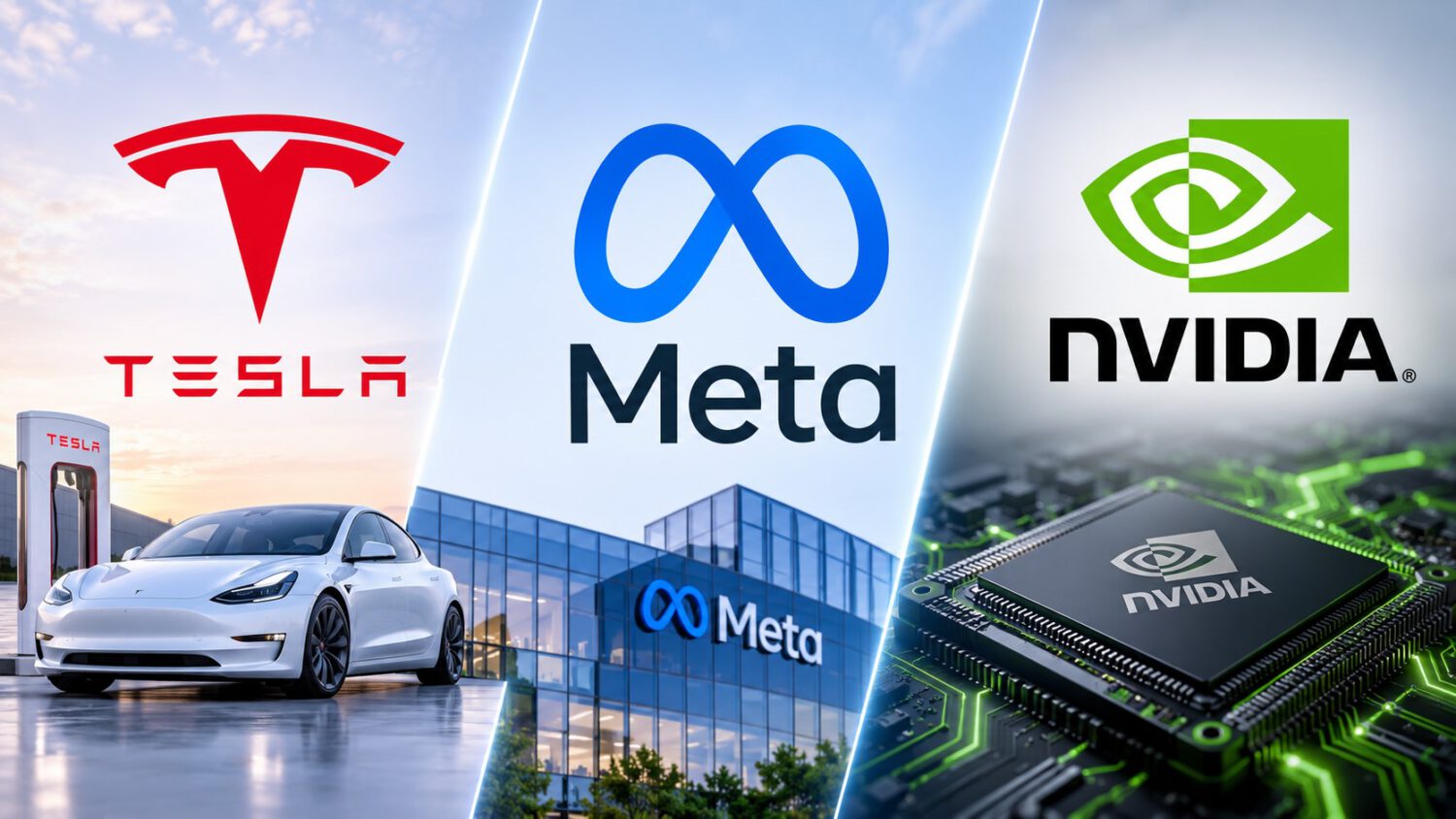
Tesla, Meta, Nvidia, and privately held SpaceX collectively employ at least 280,000 people and together represent nearly 20 percent of the S&P 500’s market value, according to reporting by the Detroit News. No permanent successor is publicly identified for any of the founders most responsible for that combined weight, based on materials reviewed.
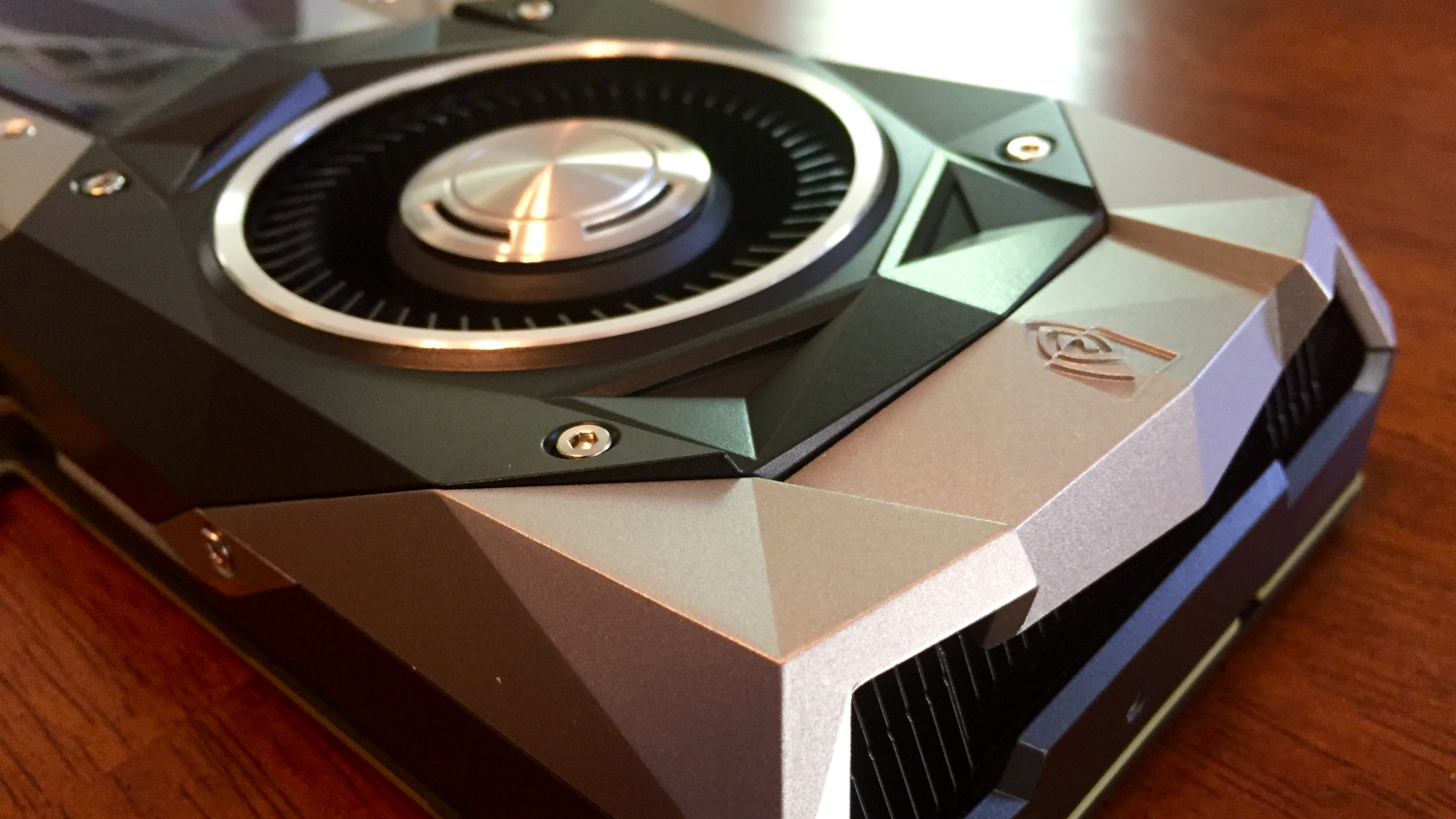
Nvidia’s Transition Becomes the Live Test
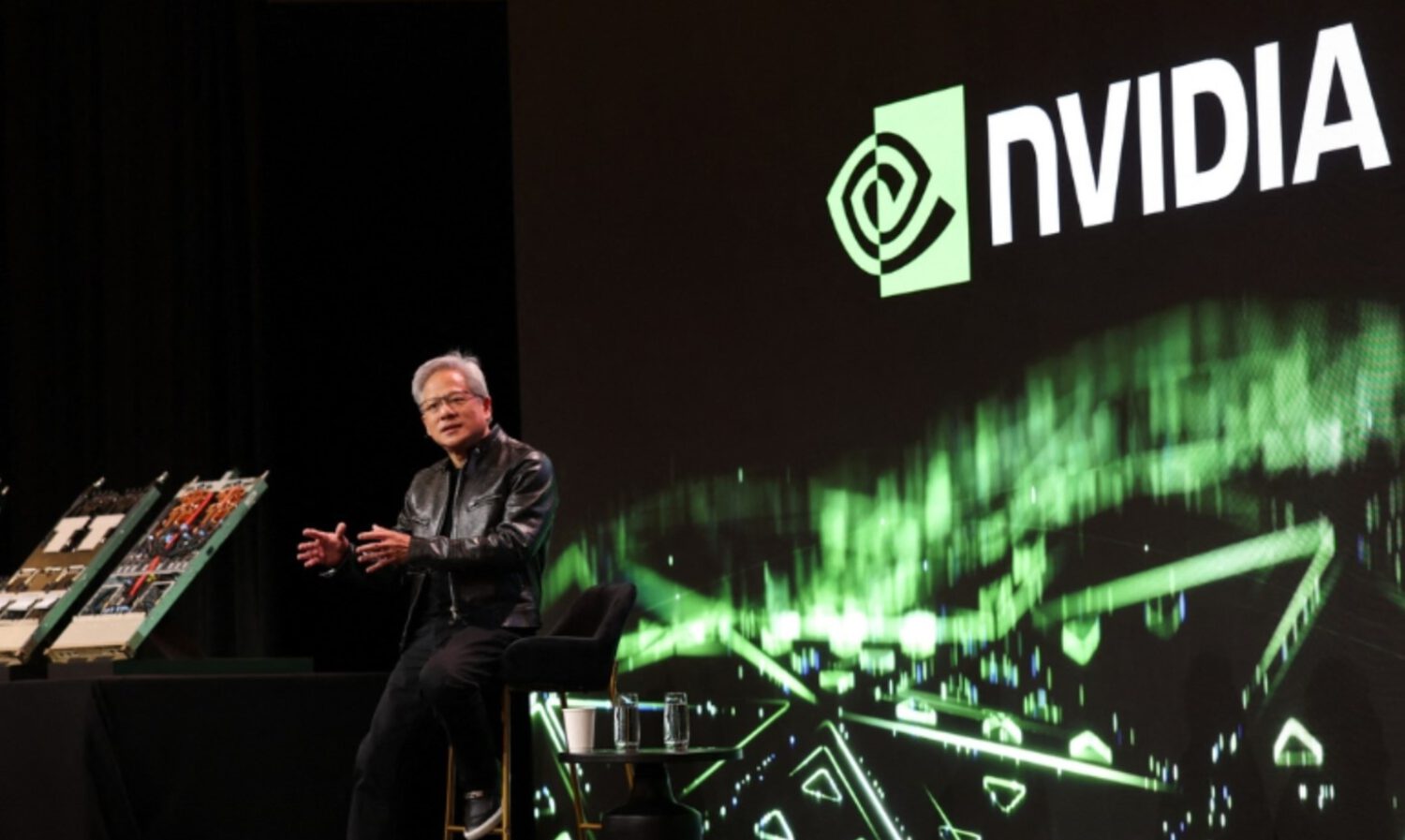
Jensen Huang resigned from Nvidia after three decades. The board named CFO Colette Kress as interim CEO while conducting a search for a permanent successor; whether she will remain in the role long-term is unclear, according to The Washington Post.
The stock dipped briefly and then partly recovered. Investors did not immediately read the departure as a threat to the broader AI economy, though longer-term succession questions remain open.
Musk Endorses the Problem He Embodies
After Huang’s departure, Musk replied “True words” to an X post arguing that founders cannot simply be replaced, according to The Washington Post. driverless Tesla vehicles and SpaceX’s own filings describe an unusually similar challenge when applied to Musk himself.
What Tesla and SpaceX Actually Disclose
SpaceX’s filing states that a successor would need not only technical and operational skills but also the ability to maintain market confidence, according to the Detroit News. Tesla’s filing links development of a succession-planning framework to the final portions of Musk’s proposed compensation package, presenting it as a future deliverable rather than a completed process.
SpaceX remains privately held. Its governance disclosures reach investors and employees through regulatory filings rather than public-market reporting.
Zuckerberg’s Voting Control Compounds the Risk
Meta’s filings warn that Zuckerberg’s participation in combat sports, extreme sports, and recreational aviation could leave him unavailable, according to the Detroit News. He also holds majority voting power, meaning board composition and shareholder votes on leadership ultimately fall within his control.
Meta builds its public disclosures to address the transfer of his shares after death rather than identifying an operating successor.
Governance Critics Call It a Board Failure
Nell Minow of ValueEdge Advisors called succession planning the board’s most important responsibility and said it is frequently neglected at founder-led companies, according to The Washington Post. Anthropic offers a structural contrast, where a trust elects most of the board and a separate entity controlled by seven co-founders holds half the voting power. That entity can formally appoint a successor if a founder dies or becomes incapacitated.
The Counter-Evidence Is Real, but So Is the Work It Required
Apple’s market value grew substantially after Steve Jobs died in 2011, and Alphabet, Microsoft, and Amazon have each moved beyond their founding CEOs. The question is whether today’s boards have done the institutional work those transitions required. Filings describing replacements as “lengthy” and “uncertain,” alongside warnings about executive hobbies, suggest that work remains unfinished.