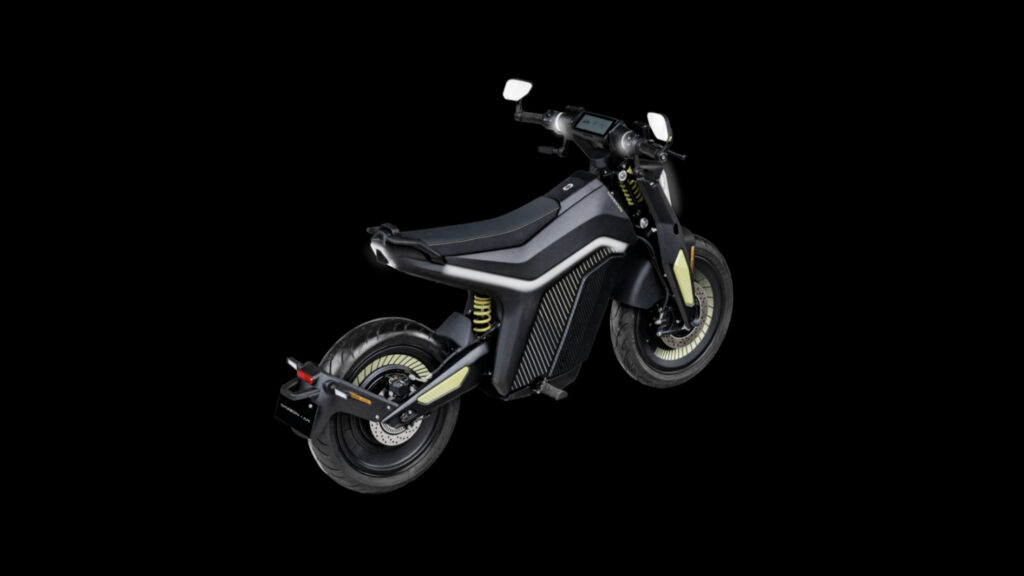
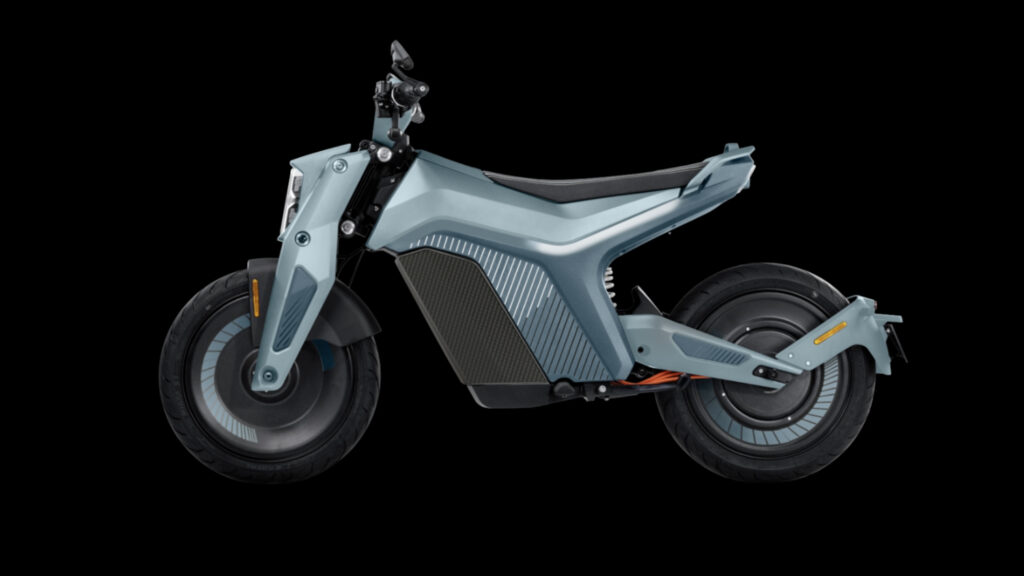
NAXEON positions the standard I AM. around a 6.5 kW rated motor with 8.5 kW peak output, a 4.6 kWh battery, and a 65 mph top speed, priced at $4,999. The company claims a 75-mile comprehensive range, though real-world results will vary with speed, temperature, payload, and riding style. Buyers evaluating the price point may also find it useful to compare gas vs diesel vs electric ownership costs before committing.
The I AM. Pro carries 7.5 kW rated power, 10.5 kW peak, a 6.5 kWh battery, and a 72 mph top speed for $6,999. NAXEON also claims 111.9 miles of range and a 0-to-31 mph sprint of 2.8 seconds in Boost mode; both figures are manufacturer claims, and no independent test data was identified.
What the Connected System Offers
NAXEON describes a suite of camera, radar, and rider-assistance features across both models.
Front and rear cameras serve a dashcam function, recording riding events to support incident documentation, according to NAXEON. Rear-facing radar feeds a blind-spot detection system that uses light-based alerts to flag traffic in adjacent lanes. Urban riders concerned about camera surveillance and its privacy implications may want to weigh that context carefully.
NAXEON also advertises ABS, traction control, tip-over warnings, and anti-theft notifications delivered through a companion smartphone app. All features are presented as manufacturer specifications; no independent test data was identified for this review.
The Data Layer Underneath
The connected features that distinguish these motorcycles come with a privacy policy worth reading closely.
Connected features carry a data cost, and NAXEON’s privacy policy describes the scope of that relationship in some detail. Apps tied to connected devices have drawn scrutiny for secretly tracking users in ways not immediately apparent from the feature list. The policy permits processing for marketing across email, SMS, social networks, and traditional mail. It also allows profiling based on purchase history, customer interactions, cookies, and, where applicable, motorcycle diagnostic data.
Data may also transfer within NAXEON’s corporate network to non-EU countries, including China, where the company is headquartered. NAXEON states that appropriate safeguards are intended to apply to those transfers under applicable data-protection law.
What the policy permits and what NAXEON does in every case are not the same thing. The reviewed policy does not establish the frequency or volume of each activity in practice. A full assessment would require examining actual consent records, retention schedules, processor contracts, and transfer mechanisms.
NAXEON does state that it will not sell or rent personal data to third parties and will not use personal information or images in advertising without consent. The policy also describes user rights to access, correct, delete, or port their data, and to object to direct marketing or certain legitimate-interest processing.
What to Check Before You Buy
Prospective owners should review NAXEON’s privacy policy and available consent controls before connecting the app.
Prospective buyers should read NAXEON’s privacy policy before connecting the app. App permissions, marketing-consent toggles, diagnostic-data settings, and any available controls over profiling all merit close attention. NAXEON’s policy describes mechanisms for withdrawing consent or restricting processing; riders should use them if the defaults are broader than acceptable.
NAXEON lists multiple safety features across both models, and the company’s pricing places the pair within reach of urban electric commuters. Riders looking to round out their setup can explore bike gadgets that complement connected motorcycles. Riding a connected motorcycle means entering an ongoing data relationship with its manufacturer. Reading the policy before purchase is part of the decision.