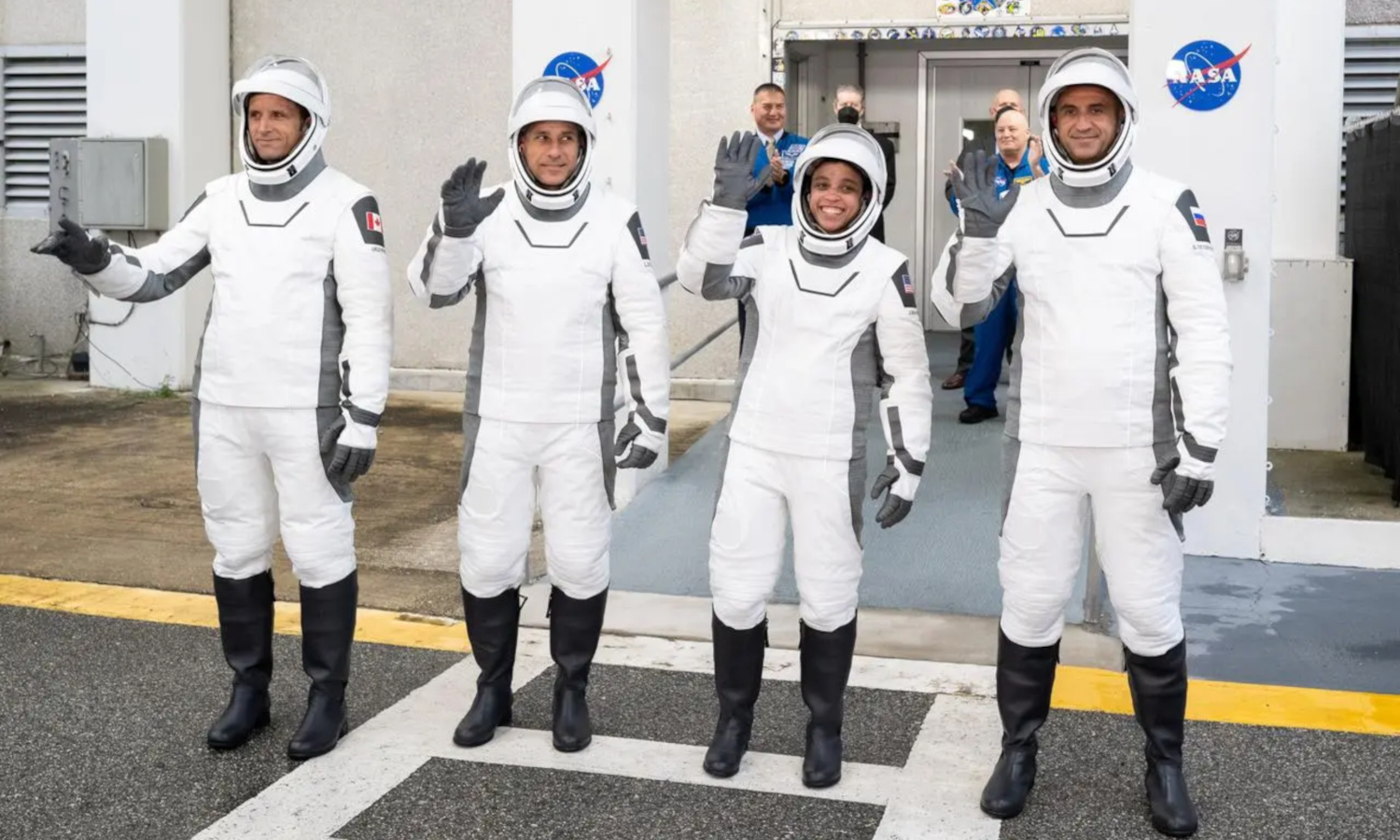
The clock is running. NASA’s astronaut candidate application window closes at 11:59 p.m. Eastern time on December 3, 2026, and submissions go through USAJOBS. For context on what you are walking into: the previous selection cycle attracted more than 8,000 applicants, and NASA selected 10.
Who Can Apply
U.S. citizenship and a qualifying advanced degree are the two foundational requirements NASA sets before anything else.
U.S. citizenship is the first requirement, and NASA confirms that dual citizens are eligible. The baseline academic credential is a master’s degree from an accredited institution in engineering, biological science, physical science, computer science or mathematics.
Alternatives to the Master’s Degree
NASA recognizes several advanced credentials as substitutes for the master’s degree, opening the path to medical professionals and test pilots.
At least two years of doctoral work in a qualifying STEM field counts toward the requirement, as does a medical degree: MD, DO, Physician Assistant, Doctor of Nursing Practice, Family Nurse Practitioner or a related medical credential. Enrollment in a nationally recognized Test Pilot School program also qualifies. Training must be completed by July 2027.
Applicants whose only advanced technical credential is test-pilot training must also hold a qualifying STEM bachelor’s degree, according to NASA.
The Experience Threshold
Three years of post-degree professional experience is required, though flying is not mandatory for most applicants.
Three years of related professional experience after the qualifying degree is required. For pilots pursuing the flight-hours route, the thresholds differ by aircraft type. High-performance jets require 750 hours as pilot in command. Other fixed-wing aircraft require 1,500 total hours, including 750 as pilot in command. Rotary-wing aircraft require 1,000 total hours, including 300 as pilot in command.
Physical and Professional Standards
All candidates must clear a demanding medical bar, and NASA weighs leadership and communication skills alongside technical qualifications.
Every candidate must pass NASA’s long-duration astronaut physical. NASA explicitly evaluates leadership, teamwork and communication skills as part of the selection process. Physicians whose residency is not yet complete may still apply; residency counts toward the experience requirement if finished by July 2027.
What Happens After You Submit
NASA’s Astronaut Selection Board works through applications from December 2026 into April 2027, though the agency notes that timeline may shift.
NASA’s Astronaut Selection Board begins reviewing applications in December 2026 and works through April 2027. The process includes interviews, selection assessments and further evaluation before any final selection and candidate training.
Meeting the Minimum Is Only the Entry Point
Satisfying every published requirement places an application in the pool; the selection board then looks well beyond the baseline criteria.
Clearing every published requirement is where the process begins, not where it ends. NASA’s selection board assesses candidates’ qualifications, professional achievements and ability to perform under demanding conditions. Applications require a résumé or CV, a completed questionnaire and supporting documentation, all submitted through USAJOBS before the December 3, 2026 deadline. The full application checklist is available at NASA.gov.