No GPS signal. No natural light. Potentially toxic air, degraded radio links, and passages narrow enough to exclude many conventional ground vehicles designed for combat. Those are the engineering conditions facing Ukraine’s Khartiia corps as it develops unmanned ground vehicles for operations inside gas pipelines.
Operation Veles Set the Operational Logic
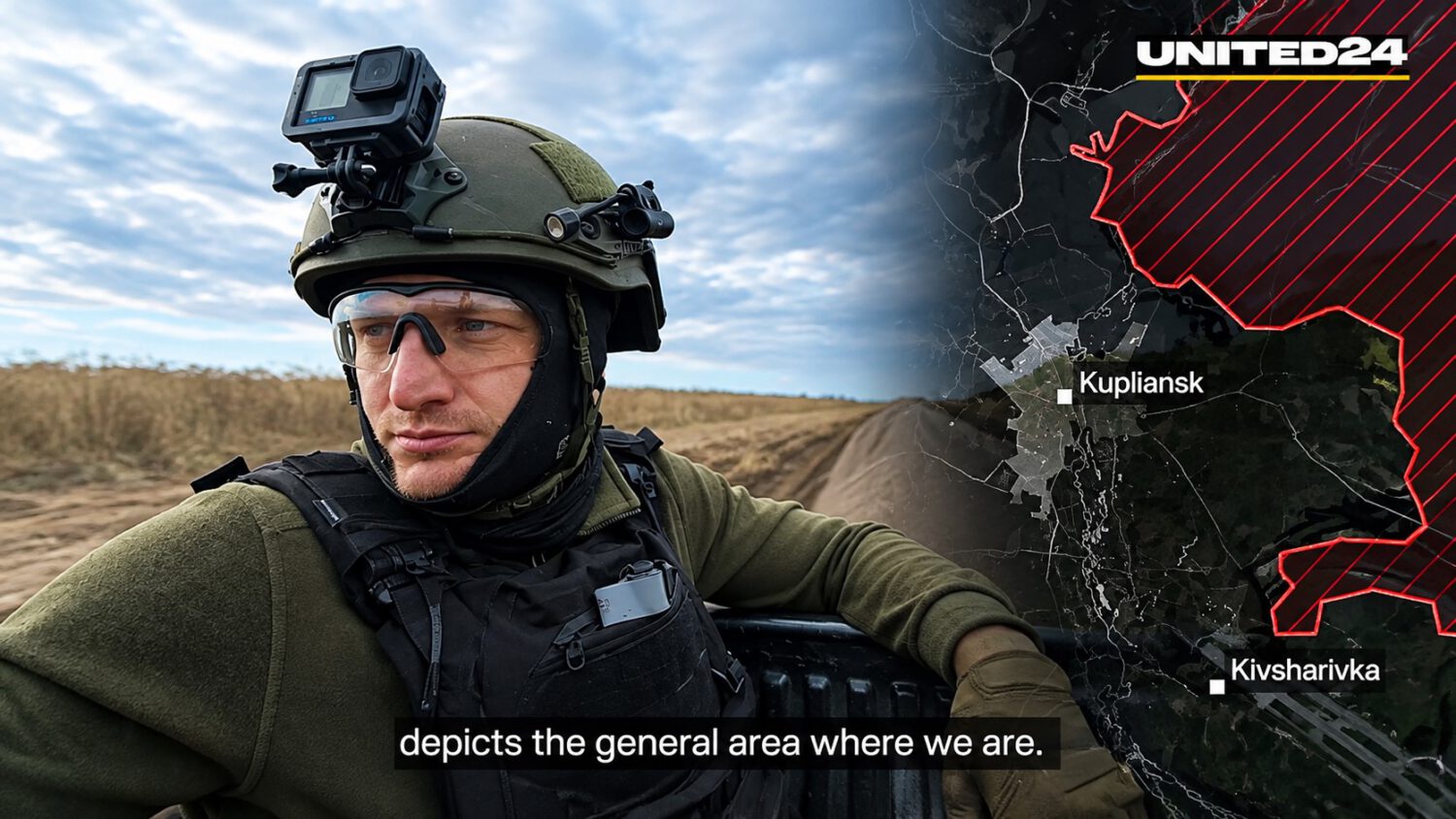
The impetus for the robot program traces to an operation Khartiia says combined subterranean movement with surface maneuvers and drone strikes near Kupiansk.
Khartiia says its forces advanced more than 15 kilometers through underground gas infrastructure behind Russian positions near Kupiansk during an operation it called Veles. According to Khartiia, that advance combined subterranean movement with simultaneous surface maneuvers and drone strikes, applying pressure on Russian forces from multiple directions.
Khartiia said more than 100 Russian soldiers were killed or eliminated and more than 30 were captured during the operation. The Kyiv Independent noted it could not independently verify those figures, and they should not be read as confirmed battlefield totals.
Khartiia has also described Veles as the world’s first full-scale underground counteroffensive. That characterization is Khartiia’s own, not an independently established historical finding.
Ukrainian officials said the operation was partly a response to Russian forces using the same underground routes to infiltrate behind Ukrainian positions.
Why Building These Robots Is Genuinely Difficult
Each feature of a gas pipeline interior creates a distinct engineering problem that conventional battlefield robots were not designed to solve.
GPS signals may be unreliable or absent underground. Pipeline robots therefore likely require inertial navigation, pre-mapped routes, relay beacons, or some combination of those approaches.
Soil, metal pipe walls, and long enclosed bends degrade radio communications. A functional system would likely need tethered connections, mesh relay nodes, or autonomous behaviors that allow it to continue a mission after contact with operators is lost.
Standard optical cameras can be ineffective without additional illumination or sensing in total darkness and dust, making thermal imaging, low-light sensors, lidar, or acoustic systems more relevant depending on the mission. Gas pipelines can also contain toxic or explosive atmospheres, which makes air quality monitoring and ignition avoidance central engineering concerns.
Civilian underground equipment offers limited direct help. Construction and tunneling machines are built for large-scale excavation and are poorly suited to navigating a narrow pipeline during a military reconnaissance mission.
What Khartiia Says It Is Building
The Lava Unmanned Systems Regiment is adapting ground robots for underground missions, though key technical specifications have not been made public.
The Lava Unmanned Systems Regiment is adapting ground robots for reconnaissance and combat support inside confined underground spaces. Available reporting also indicates route clearance as a potential mission; logistics and communications relay have been described as intended functions, though primary sources have not confirmed those capabilities for these specific systems.
The exact dimensions, propulsion system, sensor suite, range, autonomy level, and production status of these platforms are not publicly confirmed. Available reporting does not support any claim that these systems can replace assault troops operating underground.
A Pattern of Specialized Adaptation
The pipeline robot program reflects a broader shift in how Ukraine is responding to battlefield lessons in this conflict.
Underground infrastructure is functioning as a distinct operational environment in this conflict, not simply an extension of surface combat. That conclusion is drawn from the reporting; no official doctrine frames it that way.
The Lava regiment’s pipeline work appears to follow a recognizable logic: an operation identified a capability gap, and purpose-built hardware is now intended to address it.