When you click “buy” on the PlayStation Store, you are paying too much for a licence rather than a durable copy. That licence can be withdrawn when a rights deal expires, a storefront closes, or an account is restricted.
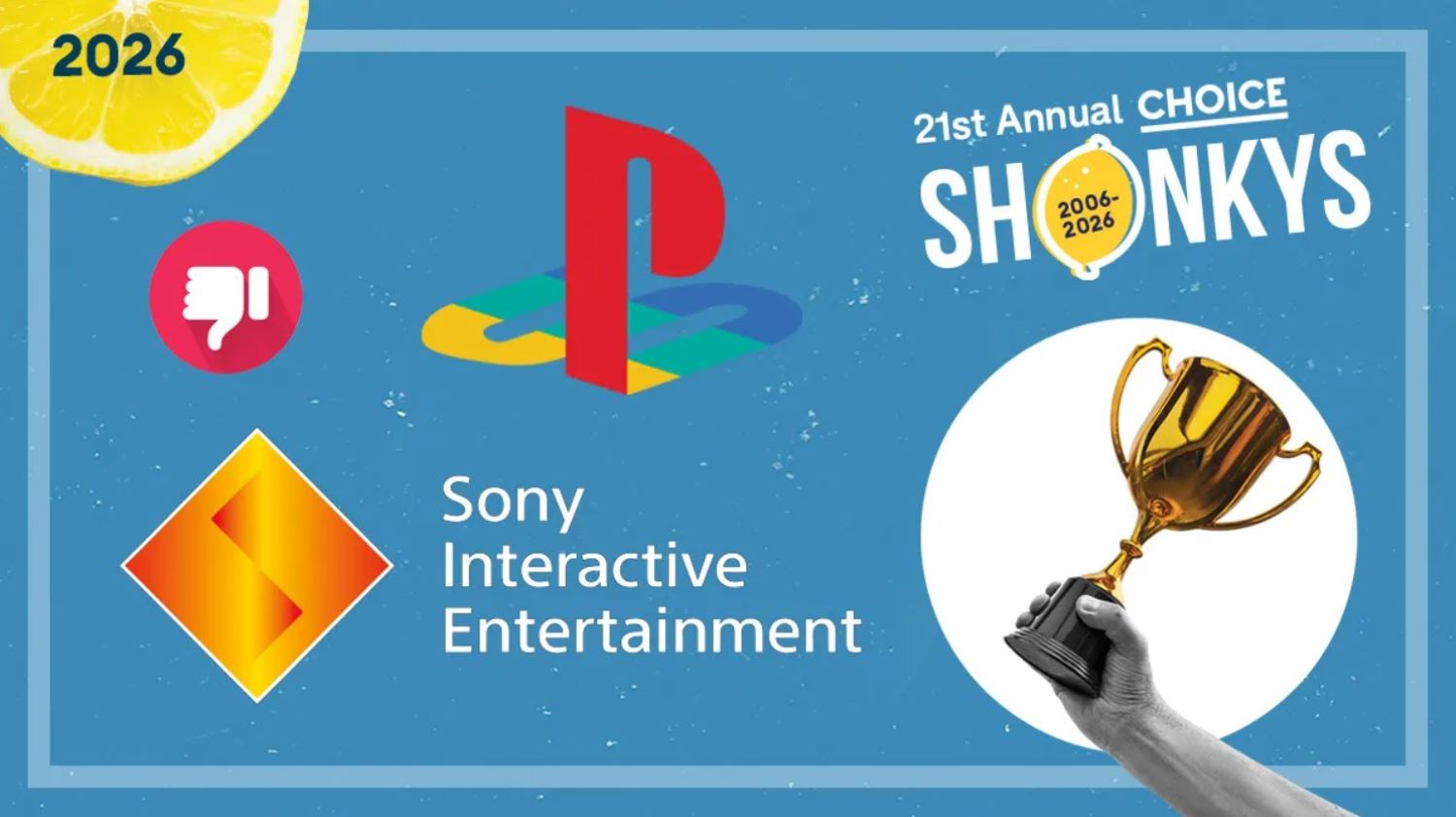
That gap between consumer expectation and contractual reality landed Sony Interactive Entertainment in CHOICE’s Hall of Shame for 2026. The Australian independent consumer-advocacy organization awarded Sony its annual Shonky for “asking us to pay to play, but not own.”
What the Shonky Award Actually Is
CHOICE runs the Shonky Awards each year to highlight products and services it considers poor in quality, value, or integrity.
Sony’s 2026 entry was not about hardware failures or buggy software. It was about checkout language and what that language obscures.
CHOICE argued that PlayStation Store checkout flows repeatedly use the word “purchase,” which consumers can reasonably interpret as conferring permanent ownership. The applicable licence terms, however, allow access to be restricted or removed without the consumer’s consent.
Five Hundred Films Removed from Libraries
The StudioCanal episode gave CHOICE its most concrete evidence that “purchased” content can disappear when a licensing agreement ends.
In June 2026, Sony told customers in the UK and Europe that its licensing agreement with StudioCanal was ending. Roughly 500 StudioCanal films would be removed from customers’ PlayStation libraries as a result.
These were titles customers had previously “purchased” and stored in their digital collections. When the licensing agreement ended, so did access to those films.
CHOICE presented the episode as direct evidence that content described to consumers as purchased can later become unavailable. The removal illustrated the gap between consumer-facing language and the legal reality of a revocable licence.
No Discs, No Fallback
Sony’s planned shift to digital-only releases from January 2028 would eliminate the one form of access that operates outside its storefront and servers.
CHOICE also reported that Sony plans to make all new PlayStation games digital-only from January 2028, ending new physical disc production. Sony described the shift as a response to consumer trends toward digital media.
Once physical discs disappear, consumers lose an important form of access that can exist independently of Sony’s storefront, servers, and account infrastructure. Many discs can be used without a continuing licensing agreement, something a digital licence cannot provide.
Account Risk and Network Dependence
CHOICE identified account suspension and network outages as additional pressure points under a licensing model with no physical fallback.
CHOICE flagged that a PlayStation Network outage can prevent users from downloading content they paid for, citing network disruptions as a practical risk of platform dependence. It also warned that a suspended or restricted account could place some or potentially all of a user’s digital purchases at risk, depending on the account terms and content involved.
Why Sony and Not Every Digital Platform
CHOICE built its case around the convergence of several developments in a single period, not digital distribution alone.
Digital licensing concerns are not unique to Sony. Other digital marketplaces operate under similar licence structures, and consumer criticism has followed them as well. Broader industry conversations, including those surfacing at GDC 2026, reflect growing unease across the developer and publishing ecosystem.
CHOICE’s case against Sony rests on the convergence of multiple developments within a single period. Purchased films were removed from libraries and physical games are being phased out for new releases from January 2028, a combination that earned the award rather than digital distribution on its own.
The Ownership Question
CHOICE’s position is that the current model leaves consumers dependent on Sony’s continued maintenance of accounts, storefronts, servers, licences, and download infrastructure.
Long-term access to PlayStation digital purchases can depend on Sony maintaining the relevant account, storefront, servers, licences, and download infrastructure. Remove any one of those elements and access can break.
CHOICE’s position is that consumers may ultimately own nothing under the current model. The word “purchase” at checkout, the organization argues, does not change that.