Smartphones have replaced dedicated cameras for most people. Choosing the right one means looking past megapixel counts and understanding what actually matters when the lighting turns tricky or the moment won’t wait. Anyone who has tried to capture a dimly lit concert only to get a grainy smear knows specs alone don’t guarantee results. This lineup cuts through the marketing hype, focusing on real-world capabilities and the trade-offs each phone brings.
This content may contain affiliate links. If you wish to support us and use these links to buy something, we may earn a commission.
5. Samsung Galaxy S26 Ultra
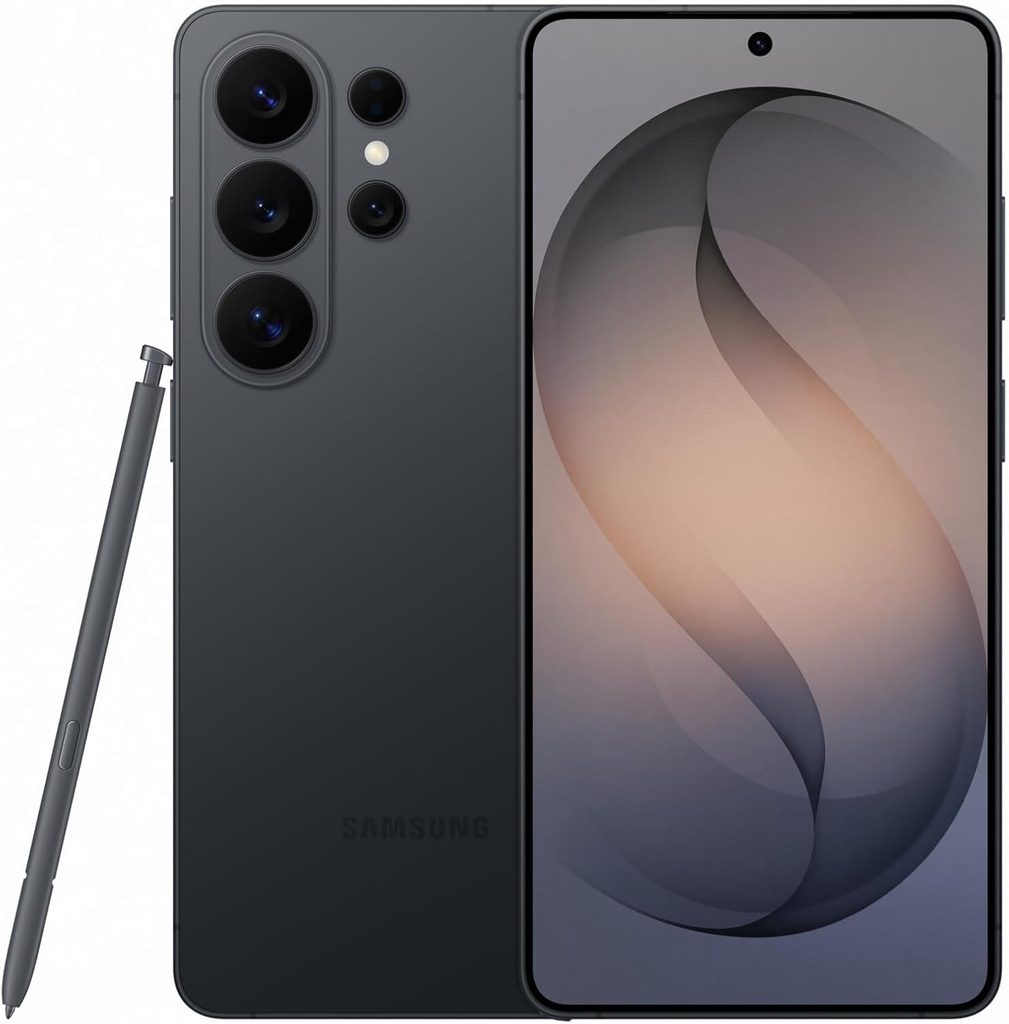
Professional-grade video stabilization meets accessible pricing for Android videographers.
The Samsung Galaxy S26 Ultra features a 200 MP main camera with an f/1.4 aperture. That wider aperture pulls in more light during low-light scenes, according to Samsung. It records 8K video at 30 fps and offers slow-motion up to 240 fps at Full HD.
Reliable, shake-free footage matters when navigating busy scenes or chasing kids. The S26 Ultra’s optical image stabilization ensures smooth recording while walking. For Android users prioritizing video, this phone delivers a powerful package without the premium pricing typical of flagship devices.
4. Xiaomi 17 Ultra
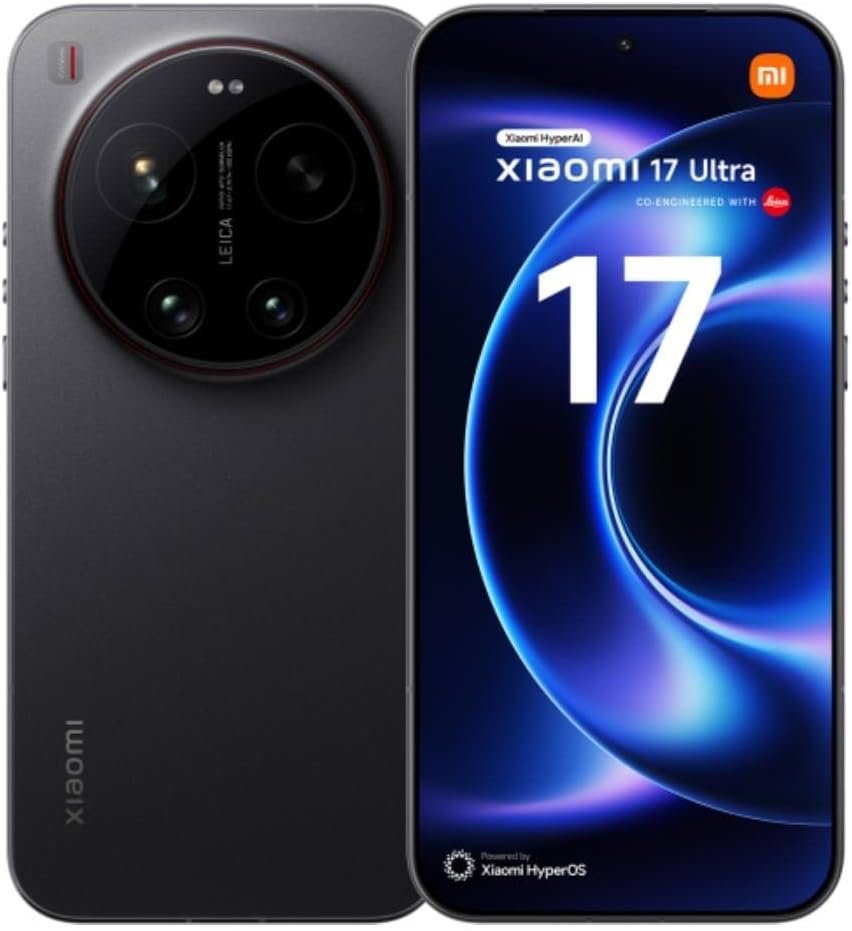
Leica optics and variable telephoto zoom redefine mobile photography flexibility.
The Xiaomi 17 Ultra combines a 50 MP main camera using a 1/1.12-inch Light Fusion 1050L sensor with a 200 MP Leica telephoto camera featuring a 1/1.4-inch sensor. The telephoto camera supports variable 75-100 mm equivalent focal length and optical-level zoom up to 17.2x.
That telephoto system handles everything from sharp cityscapes at dusk to 30 cm macro photography for intricate details. Video features include 8K recording at 30 fps, 4K Dolby Vision recording at up to 120 fps, and log recording up to 4K/120 fps. Dedicated photographers wanting professional-level results without the bulk will find this an undeniable contender.
3. Google Pixel 11 Pro

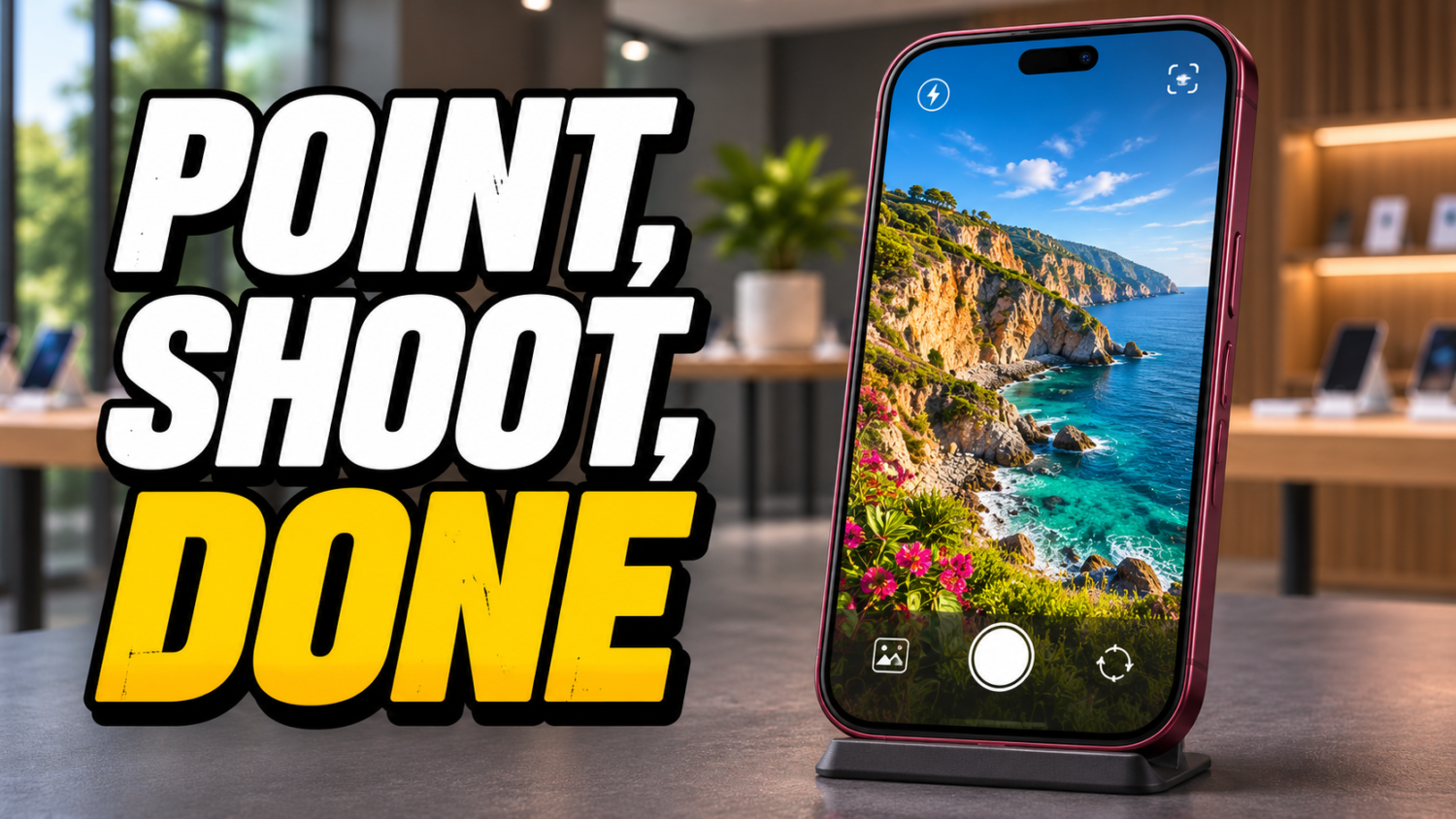
Computational photography mastery delivers point-and-shoot simplicity with professional results.
Hardware can only do so much; software redefines what’s possible. The Google Pixel 11 Pro proves this through computational photography that handles exposure, noise reduction, and detail enhancement automatically. Its Pro triple-camera system consists of a 50 MP main camera with a 1/1.3-inch sensor, a 48 MP ultrawide camera with autofocus and macro capability, and a 48 MP 5x telephoto camera.
The processing allows effortless capture of well-exposed photos at a low-lit evening market. Google’s automated approach means pointing and shooting yields professional results without manual adjustment. For anyone prioritizing simplicity over manual control, this device delivers intelligent photography that just works.
2. iPhone 18 Pro
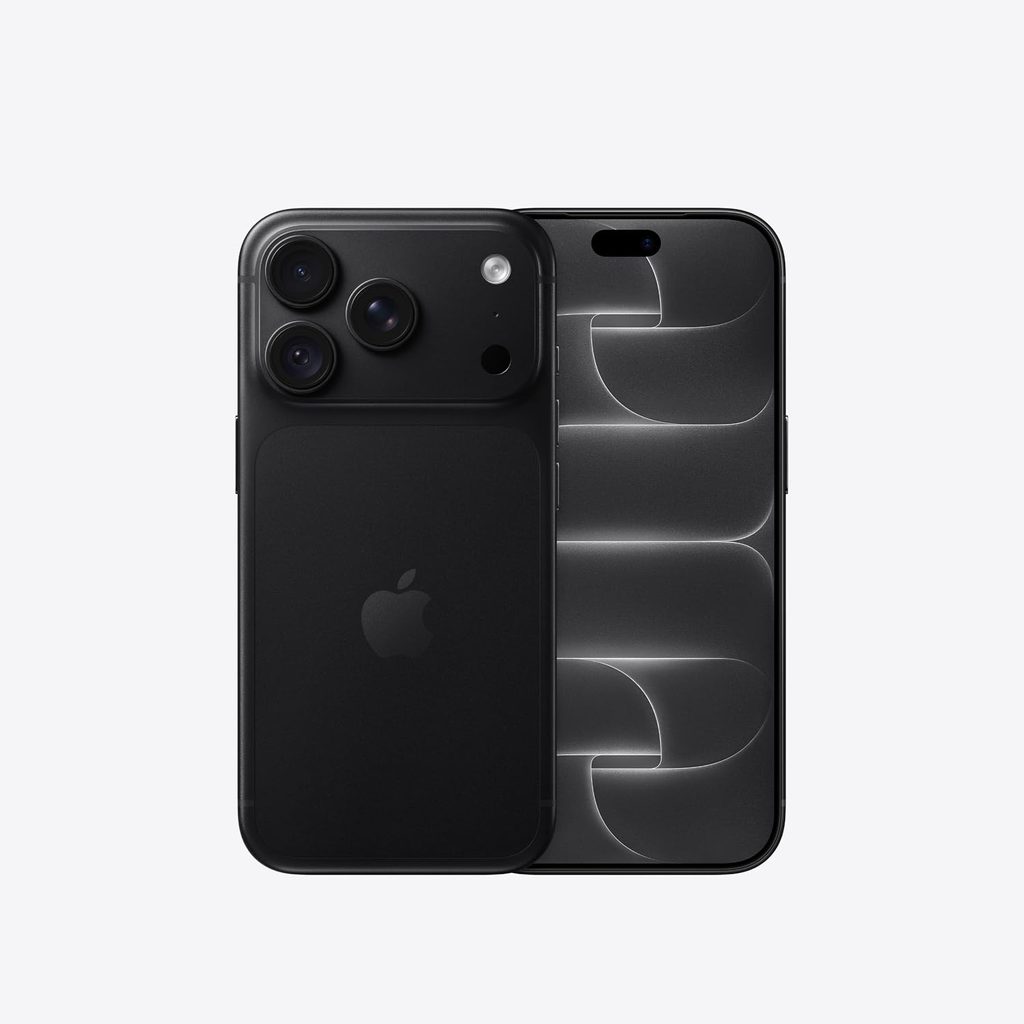
Variable aperture and unified 48 MP sensors create consistent professional video workflows.
The main camera on this model introduces a variable aperture with four settings from approximately f/1.48 to f/4, granting creative control over depth and light. A manual Pro mode lets cinematographers sculpt images like seasoned professionals. All three rear cameras use 48 MP sensors, ensuring a unified visual language across wide, ultrawide, and telephoto shots.
Crucially, it captures 4K video at 120 fps and offers log format recording for professional color grading. Anyone who has tried to match footage from different cameras knows the frustration when colors don’t align. This phone’s consistency eliminates that headache, making it a strong choice for demanding mobile video creation.
1. Oppo Find X9 Ultra
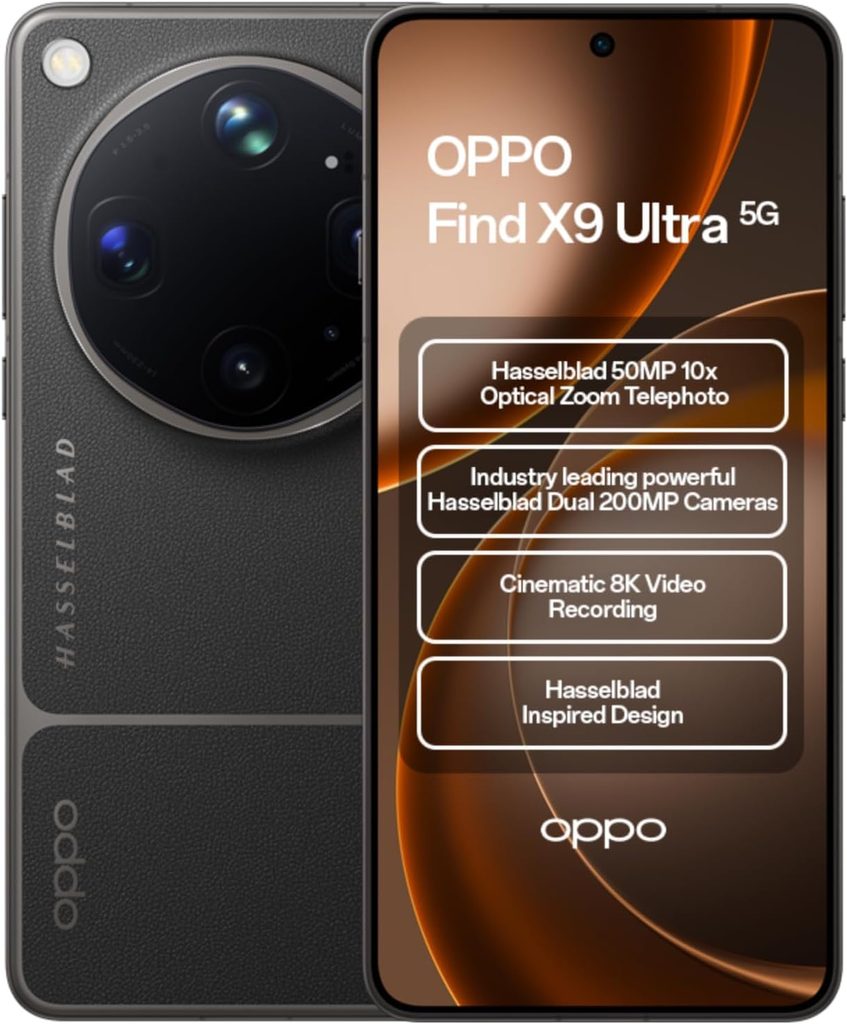
Dual 200 MP cameras and optional Hasselblad accessories push versatility to physical limits.
The Oppo Find X9 Ultra packs a 200 MP main camera with a 1/1.12-inch sensor and f/1.5 aperture, alongside another 200 MP 3x telephoto camera with a 1/1.28-inch sensor. A 50 MP periscope telephoto camera and 50 MP ultrawide camera round out the system. It supports 4K/60 video across all cameras, 8K video, Dolby Vision, and strong low-light video performance.
The optional Hasselblad Photography Kit adds a grip and 300 mm teleconverter claimed to provide 13x optical zoom. A massive 7,050 mAh battery powers this photographic arsenal, with 100 W charging keeping it ready. Anyone considering this setup should know it weighs 236 g with a camera module that protrudes 5 mm. The device handles more like a prime lens for a mirrorless camera than a pocketable phone. Deciding whether its photo capabilities outweigh its substantial physical footprint and accessory costs depends on how seriously photography figures into daily use.