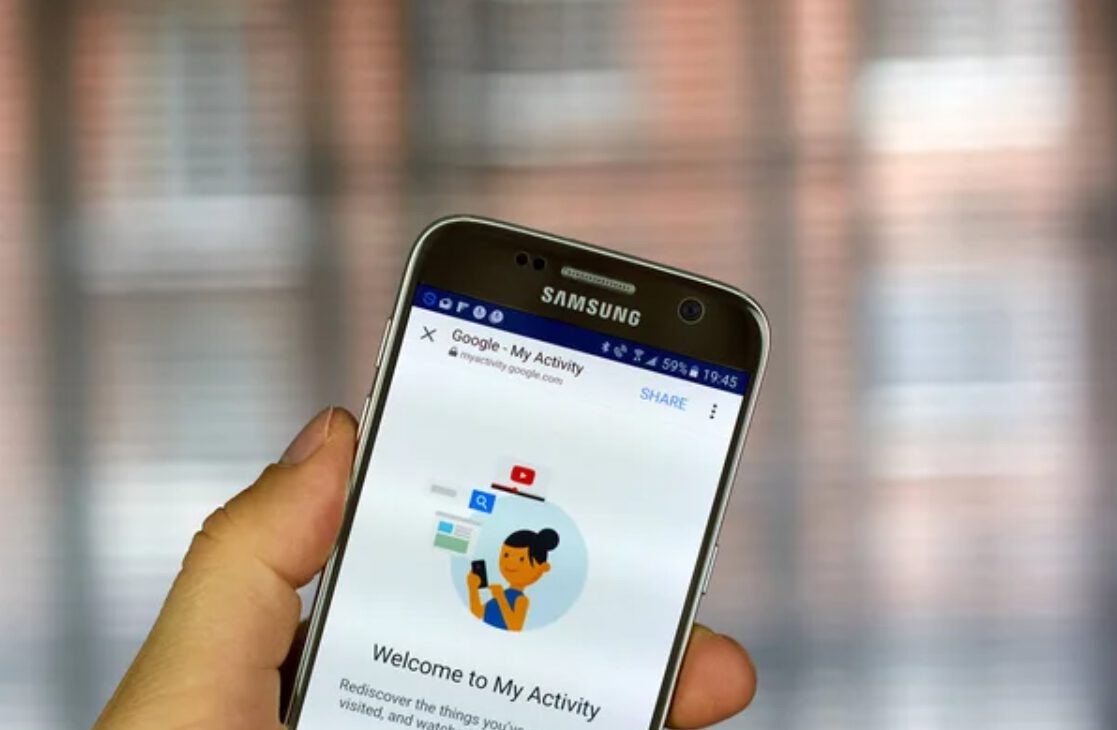
Surprise data charges from your Android device might finally get you paid back. Google settled a class action lawsuit for $135 million, resolving claims that Android phones secretly transferred data to Google servers using your cellular connection—even when you weren’t actively using the device.
The settlement covers approximately 100 million Android users who connected to cellular networks since November 12, 2017, according to court documents filed in Taylor, et al. v. Google LLC. Google denies wrongdoing but agreed to the payout and promised better disclosure about background data usage.
No Paperwork Required, But Action Recommended
Automatic enrollment means eligible users don’t need to file claim forms.
If you’ve owned an Android phone since late 2017, you’re likely eligible without filing any claim forms. The settlement automatically includes qualifying users unless they opt out—a rare convenience in the world of class action lawsuits.
You should still visit federalcellularclassaction.com to confirm eligibility and select your payment method. Direct deposit typically processes faster than checks, especially with millions of potential recipients. Settlement notices are being sent via email and mail with ID codes to streamline the process.
Individual payouts remain uncertain. With the settlement fund split among roughly 100 million eligible users, don’t expect life-changing money—but free money is still free money. Background data usage refers to information your phone transmits to Google’s servers for system updates, security checks, and app synchronization, even when you’re not actively using specific apps.
Key Dates and Deadlines Matter
Missing these deadlines means accepting whatever the court decides.
- Final approval hearing: June 23, 2026
- Opt out or object deadline: May 29, 2026
- Payments begin after final court approval and any appeals conclude
Most eligible users will stick with the automatic enrollment, but understanding your options prevents surprises later.
What This Means for Your Phone
Enhanced transparency requirements will change how Android handles data disclosure.
Beyond the potential payout, Google committed to enhanced transparency about when Android transfers data over cellular connections. Future Android updates should include clearer consent prompts and better controls for background data usage.
Check your phone’s current settings under “Data Usage” or “Mobile Data” to see which apps consume cellular data in the background. Your wallet might thank you before any settlement check arrives.
This case reflects growing scrutiny of how tech companies handle user data and associated costs—expect more transparency requirements ahead.