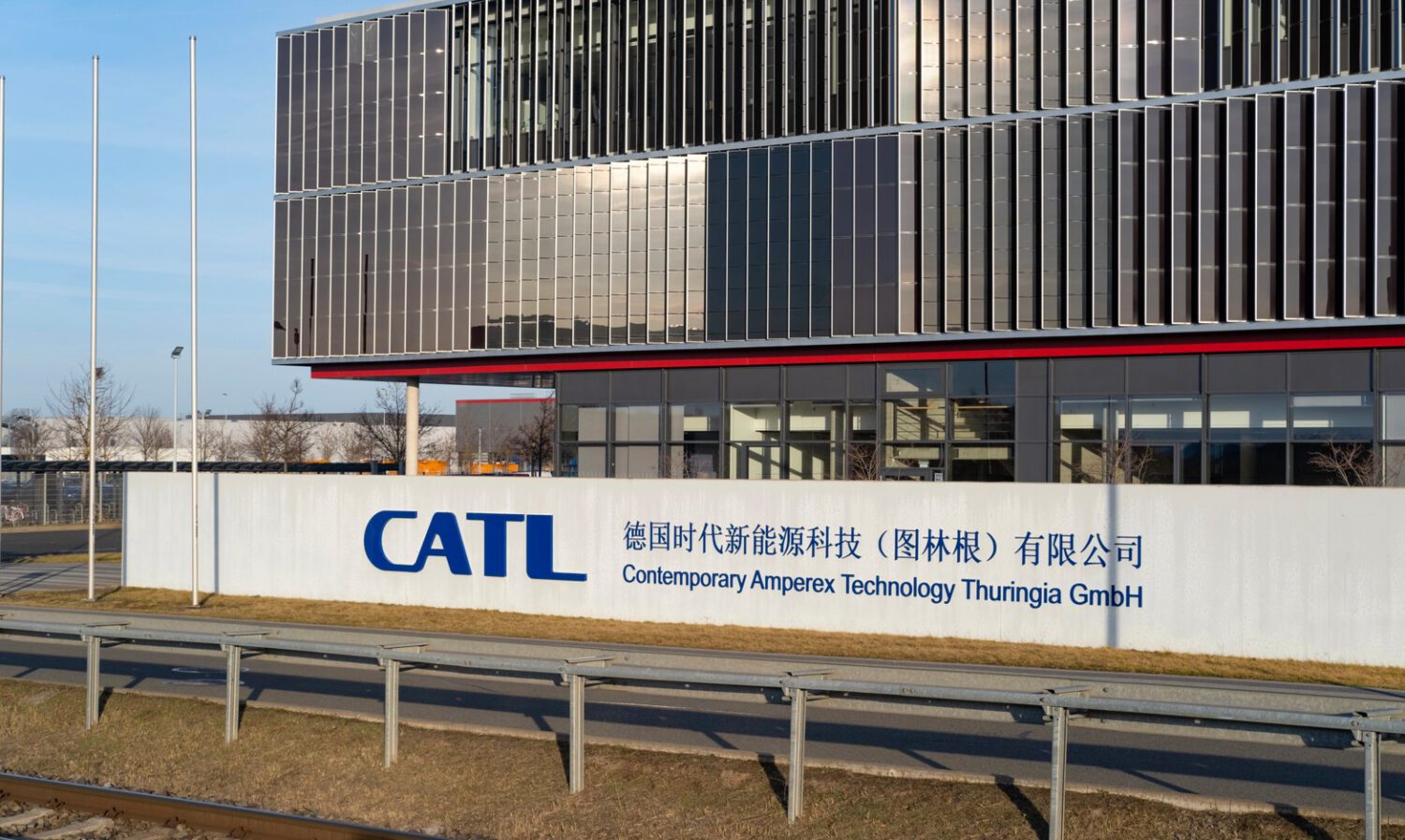
CATL is investigating lithium-air batteries as a future technology, according to Car News China, and has not announced a production-car target or a demonstrated vehicle using the chemistry.
The frequently cited 1,243-mile range is a theoretical projection derived from electrochemical calculations, not a figure CATL has confirmed or tested in a vehicle.
How the Chemistry Works
Lithium-air cells draw oxygen from surrounding air rather than storing all cathode material internally, which could reduce battery mass and potentially increase stored energy.
Lithium-air cells draw oxygen from surrounding air to complete the electrochemical reaction, rather than storing all cathode material inside the battery. That design could reduce battery mass and, in theory, increase the energy a given pack can store.
Managing that open architecture introduces substantial complexity. Air-management and contaminant-control hardware must handle moisture and impurities, while the cell also faces degradation, limited cycle life, recharge inefficiency, and heat buildup.
Three Numbers That Tell Different Stories
The gap between a theoretical reaction value, a laboratory result, and a production-vehicle rating is wide enough to reshape how the headline figure should be read.
The theoretical reaction boundary for the lithium-peroxide chemistry sits at approximately 3,505 Wh/kg. That figure describes the chemical reaction itself and accounts for oxygen drawn from outside the cell; it does not represent a finished, packaged, cooled, and safety-tested vehicle battery.
Laboratory results show meaningful progress alongside clear limitations. A 2024 independent study, reported by Car News China as appearing in Advanced Energy Materials, found a lithium-air pouch-cell reaching 757.5 Wh/kg over 241 cycles under controlled conditions. Neither that result nor any other reviewed here reflects a production cell or an automotive battery pack.
For comparison, the Lucid Air Grand Touring is among the longest-range production EVs available today, rated at up to 512 miles per charge according to Lucid’s own specification materials.
The Gap Between Lab and Road
A battery that breathes air still carries the weight of filters, thermal systems, housing, and power electronics, all of which reduce the energy available at the wheels.
Air-management and contaminant-control hardware, thermal controls, protective housing, power electronics, and structural components all add mass to any real-world pack. Those additions pull pack-level energy density well below the headline reaction figure, and the resulting real-world range depends further on vehicle efficiency, driving speed, temperature, and payload.
The evidence reviewed here does not identify CATL disclosures on pack dimensions, a confirmed vehicle energy-density target, or warranty expectations for the lithium-air chemistry.
Where This Sits on CATL’s Roadmap
According to Car News China’s reporting, sodium-ion and all-solid-state batteries sit considerably closer to commercialization on CATL’s development timeline.
Lithium-air remains a longer-term research prospect within the company’s broader pipeline. Even if the chemistry never reaches its theoretical ceiling, work in this area could potentially advance catalyst design, solid electrolytes, and battery-management systems that benefit nearer-term products.
What It Means for Range Anxiety
A commercially viable lithium-air vehicle battery would still need to demonstrate cost, cold-weather performance, durability, and safety at vehicle scale, none of which current research has yet shown together.
A lithium-air vehicle battery would need to meet cost, cold-weather performance, durability, safety, and charging-infrastructure requirements. Current research has not yet demonstrated those requirements together at vehicle scale.
For drivers concerned about range anxiety and long-distance charging stops today, improvements to conventional lithium-ion technology, solid-state cells, and charging-network coverage remain the more immediate story. A production vehicle with four-digit range is a separate question, and nothing in the current evidence answers it. For context on how powertrain choices compare in the real world, see Gas vs Diesel vs electric cost breakdowns, or follow developments like the driverless Tesla robotaxi story shaping next-gen automotive technology.