China’s next five-year archaeological plan, covering 2026 to 2030, proposes deploying artificial intelligence, ancient-DNA analysis, remote sensing and deep-sea robots across some of the country’s most significant historical sites. The program is designed to recover artifacts, reconstruct damaged objects and investigate questions about human migration, early states and maritime trade that conventional excavation has so far left only partially answered.
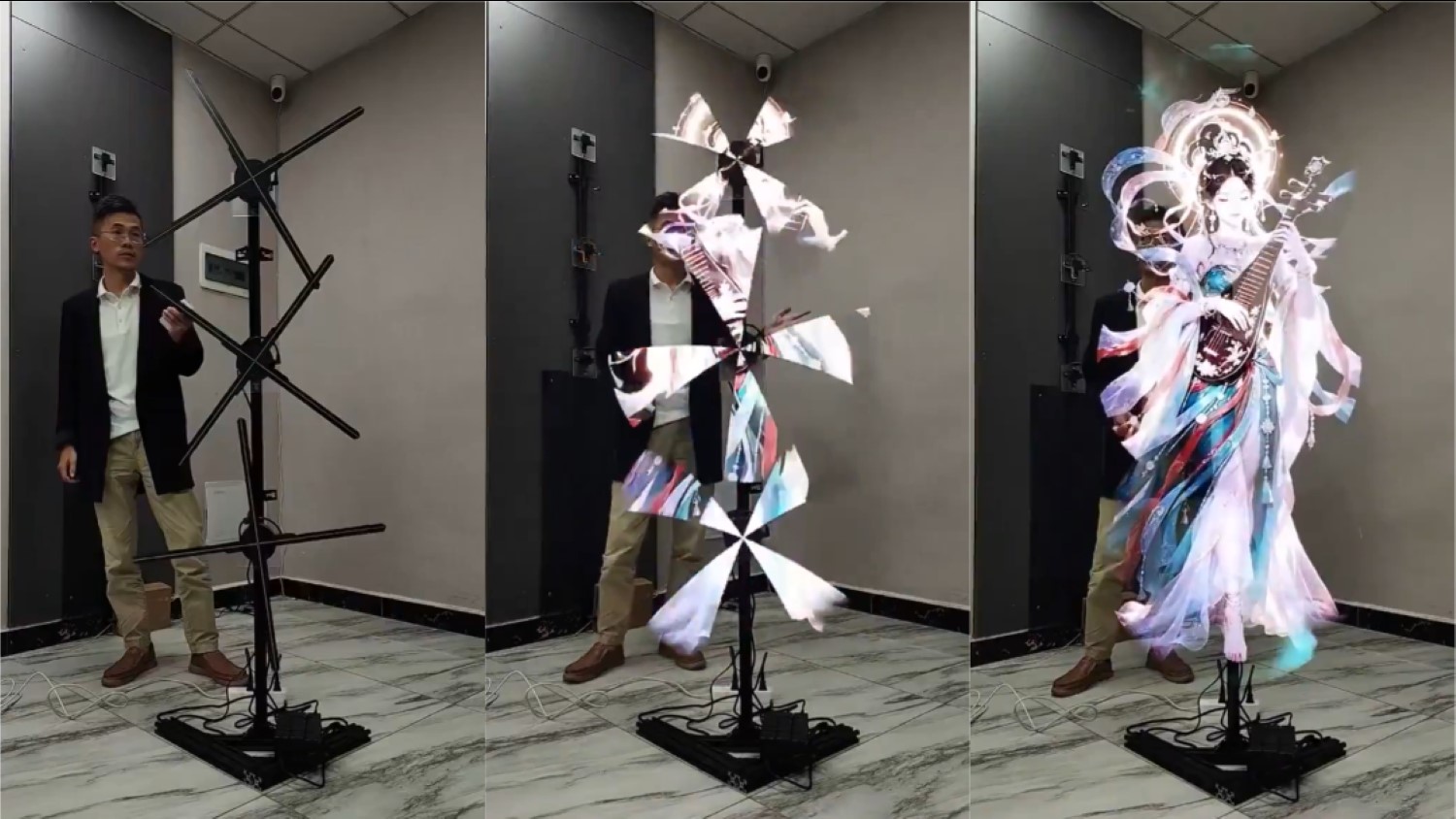
Excavations routinely produce large quantities of broken, scattered material whose connections are difficult to establish manually. Specialized AI systems would identify artifact fragments, match pieces to one another and generate virtual restorations, allowing researchers to study an object’s probable original appearance without physically altering the surviving material.
Four Technologies, One Institutional Home
Each pillar of the plan addresses a distinct limitation of conventional archaeological methods.
Remote sensing, which uses aerial or satellite data to detect buried structures, could help researchers locate remains before excavation begins. Ancient-DNA analysis would contribute to population research, tracing relationships, migrations and environmental adaptation among communities that lived thousands of years ago. Usable results require biological material preserved well enough to avoid contamination.
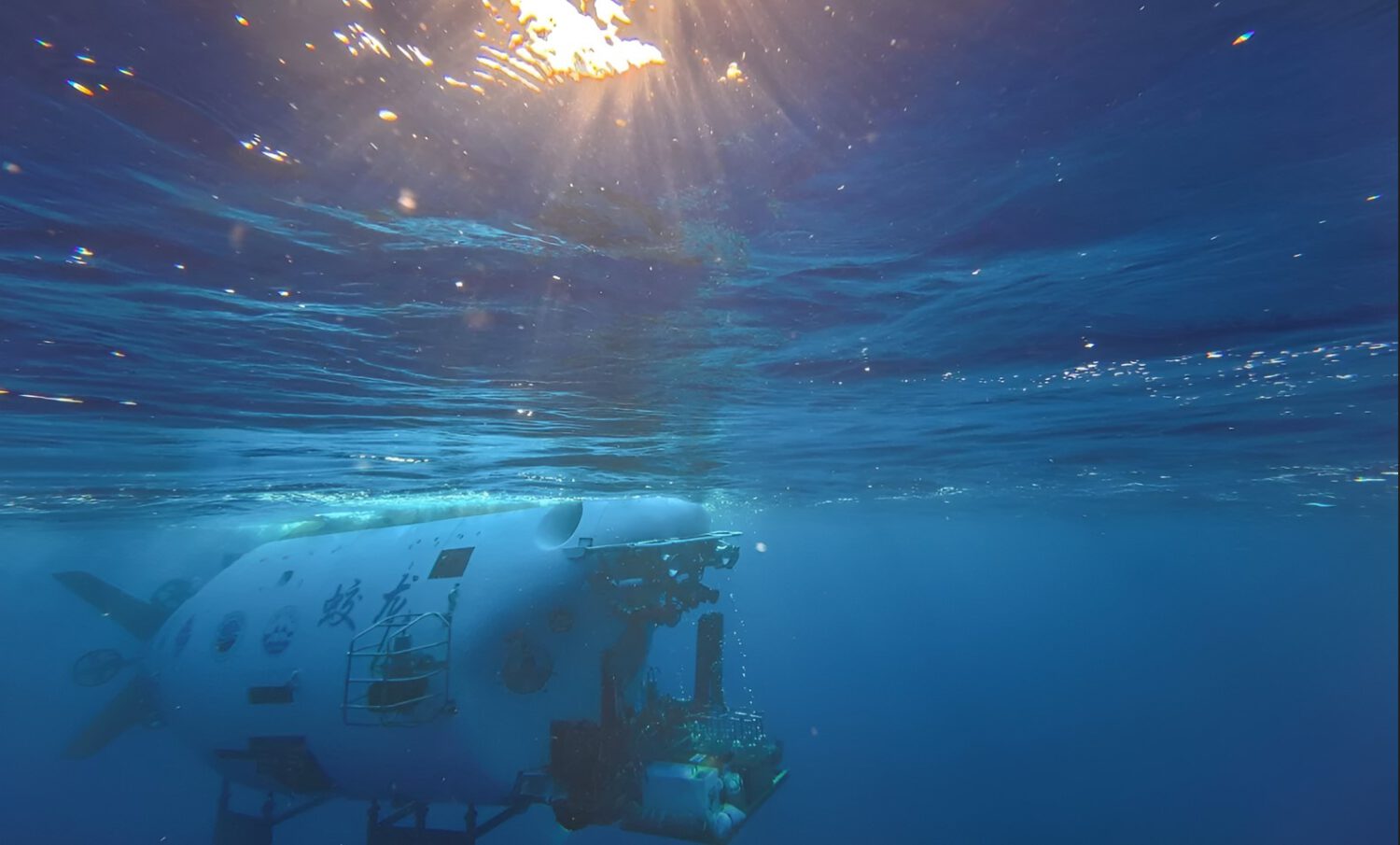
Underwater robotics addresses sites that human divers cannot safely reach. The plan calls for purpose-built deep-sea robots, specialized diving equipment and precision excavation tools aimed at shipwrecks and Maritime Silk Road routes lying on the seabed.
Institutionally, the program is intended to be permanent rather than a series of isolated projects. The official plan describes a national-level archaeological laboratory and a maritime-archaeology hub in Qingdao, signaling an effort to embed high-technology research into standing infrastructure.
From the Yellow River to the Mediterranean
Named sites and international partnerships give the blueprint a concrete geographic scope.
Research targets extend from northern China’s earliest known sites through the Qinghai-Tibet Plateau and across Eurasia. Among the domestic priorities is the transition from Paleolithic hunter-gatherer life to agriculture and settled communities along the Yellow River, Yangtze River and southern Lingnan region.
Major Bronze Age and early-state sites, including Sanxingdui, Erlitou and Yinxu, feature prominently alongside historical infrastructure such as the Qin dynasty Direct Road, the Great Wall and the Grand Canal. International partnerships with institutions in Egypt, Greece, Saudi Arabia and Tunisia are planned for comparative research, underwater surveys and heritage preservation.
A Shipwreck Already Proves the Point
The Nanhai No. 1 shows what underwater excavation can recover and what it demands in return.
The Nanhai No. 1, a Southern Song-era merchant vessel associated with trade between China and overseas markets, illustrates why underwater archaeology occupies a central place in the new blueprint. Discovered in 1987 and raised intact in 2007, the wreck was transferred to a purpose-built aquatic environment at the Guangdong Maritime Silk Road Museum, where conservation and excavation continue under controlled conditions.
UNESCO describes the site as unusually valuable because its preservation captures cargo and food remains that document commerce and daily life aboard the vessel. According to a government-linked report, more than 180,000 cultural relics have been salvaged and preserved from the site.
What the Technology Cannot Settle
Ambition and evidence are not the same thing, and the plan’s limits deserve equal billing.
AI cannot reconstruct information the surviving evidence does not support; a virtual restoration is only as reliable as the fragments behind it. Deep-sea robots still contend with pressure, poor visibility, currents and fragile materials.
Ancient-DNA results depend on preservation conditions and rigorous contamination controls, and their interpretation requires care. None of this invalidates the program’s potential, but discovery and conclusion are not the same thing.
Science Program and Cultural Initiative
The blueprint’s stated cultural objectives are as significant as its scientific ones, and they invite scrutiny.
The plan carries an explicit cultural objective alongside its scientific aims: increasing China’s international influence over interpretations of its history and civilization. That goal raises practical questions about data access, interpretive independence and the terms under which foreign institutions will participate. How those questions are answered will determine whether the international partnerships function as genuine scholarly collaboration or primarily serve a national framing agenda. Those details remain unclear and will merit close attention as the program moves from blueprint to fieldwork.