A child-welfare agency, not a police department, approved a surveillance-equipped SUV costing close to $1 million. At the same time, Georgia’s foster-care system was cutting transportation and family reunification services due to an $85.7 million budget shortfall.
The purchase came to public attention in October 2026, months after it was reportedly approved. For Georgia taxpayers, foster families, and civil-liberties advocates, the spending gap it exposed remains unresolved.
What Georgia Actually Bought
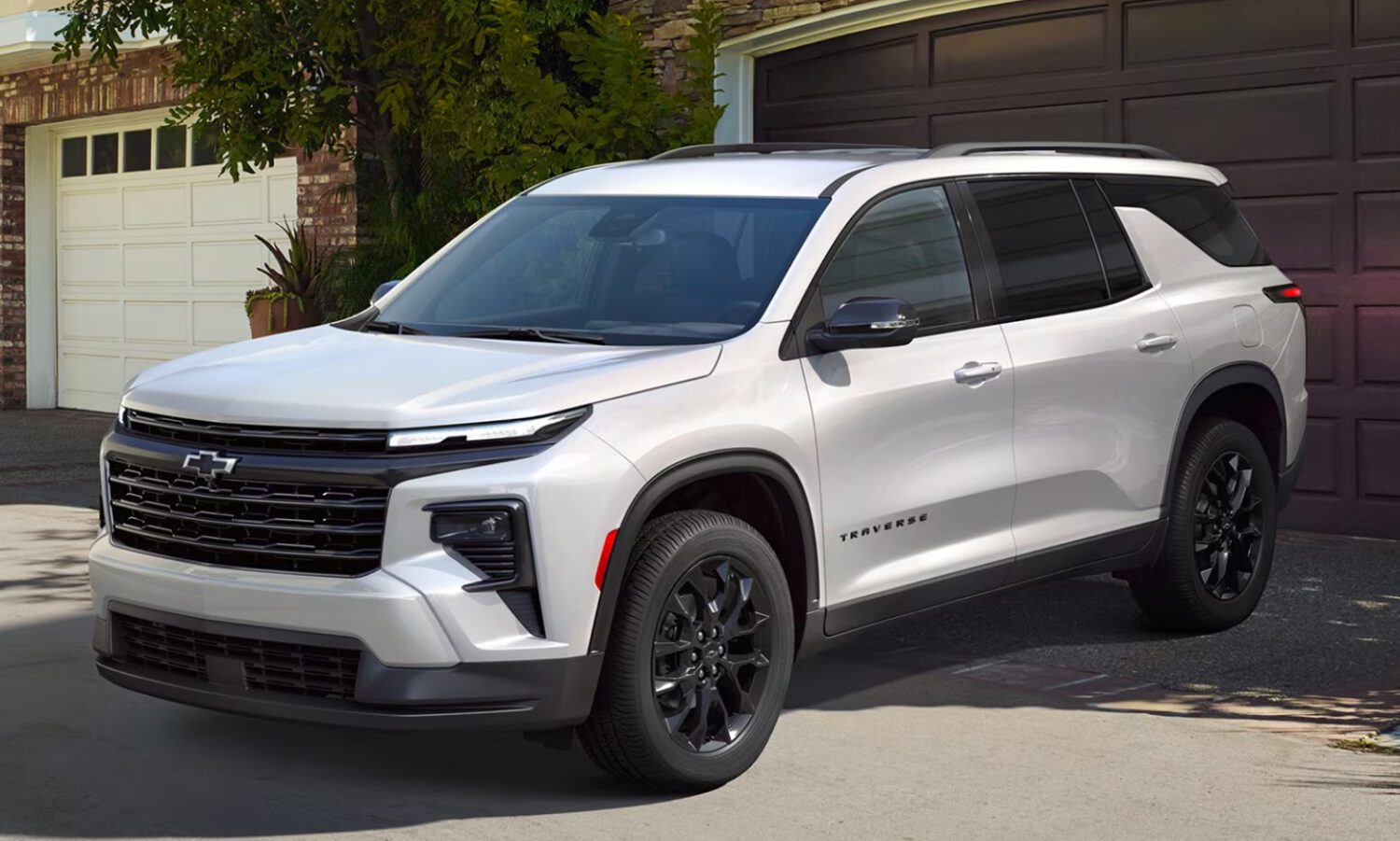
State purchasing records, as reported by Atlanta News First, show Georgia’s Division of Family and Children Services approved the vehicle on April 27, 2026. The total cost of approximately $954,578 broke down into three parts: a $38,705 Chevrolet Traverse, an $890,479 “TSE cellular communication package,” and $25,394 in installation charges.
Reporting identifies the equipment as a Nyxcell cell-site simulator, manufactured by Octasic and distributed in the United States by Tactical Support Equipment. A cell-site simulator works by impersonating a legitimate cell tower. Nearby phones connect to it, allowing operators to collect device identifiers and approximate location data from those connections. Concerns about government surveillance infrastructure and civil-liberties implications have drawn public pushback in other jurisdictions as well.
Broader claims that the system can intercept all phone communications are not established by available reporting. What is documented is that the technology can collect identifying information and metadata from bystanders whose phones happen to be in range, not just from investigation targets.
The Budget That Couldn’t Cover Basic Services
Georgia’s child-welfare system faced a projected $85.7 million shortfall, according to AP News. Services reduced or delayed during that period included transportation for children and families, assistance for foster parents, and court-related travel.
Lawmakers later approved an $81 million supplemental allocation for the Department of Human Services, per Savannah Now, to restore essential services. The central accountability question is not whether the technology might help find endangered children. It is whether spending nearly $1 million on a single mobile surveillance platform was defensible while children lost access to transportation and basic support.
DHS told legislators the Special Victims Unit assisted with nearly 200 child recoveries over two years. The agency also characterized the federal Temporary Assistance for Needy Families funding as permissible for the unit, though available reporting does not conclusively establish which account paid for every component of the vehicle.
Legal Authority Nobody Can Quite Locate
A legislative counsel opinion, reportedly prepared for a Georgia lawmaker, allegedly found no express statutory authority for DFCS to exercise police powers. That is a reported legal opinion, not a final court ruling, and the underlying memorandum has not been publicly released.
The Governor’s Office announced the Georgia Bureau of Investigation would take possession of and responsibility for the vehicle upon delivery. The GBI separately stated it did not operate cell-site simulators or conduct electronic surveillance for DHS’s Special Victims Unit at the time of that statement. The timeline of those two positions has not been publicly reconciled.
Transferring the vehicle changes which agency holds the keys. It does not answer questions about procurement authorization, TANF spending rules, warrant requirements, data retention, or public reporting obligations.
Atlanta News First also reported that DHS contracted for more than $117,000 in additional surveillance-related software. That total covered Anomaly Six mobile-location telemetry, ShadowDragon digital-link analysis, and SpyCloud credential tracking. The purchases suggest a broader investigative technology build-out, though how each tool was used or whether the systems were integrated is not established by available sources.
Several consequential questions remain open: whether the vehicle was deployed by DHS before any transfer, whether any operational use required a court order, what data were collected, how long those data are retained, and under what rules the GBI now operates the equipment. Precedents from other contexts , including cases of secretly tracking users without clear legal authority , illustrate why these questions matter beyond Georgia. For Georgia taxpayers and families navigating a child-welfare system that spent months short on basic resources, those are not abstract concerns.