Most iPhone upgrades cost under $1,000. Apple’s first foldable doubles that, and after extended hands-on testing, Marques Brownlee (MKBHD) concluded the iPhone Duo is compelling for a specific kind of buyer and a poor fit for nearly everyone else.
Brownlee characterized the device as “real first generation fun,” a framing that captures both its genuine appeal and its limitations.
Where the Duo Earns Its Price
The inner display is the reason this phone exists, and it mostly delivers.
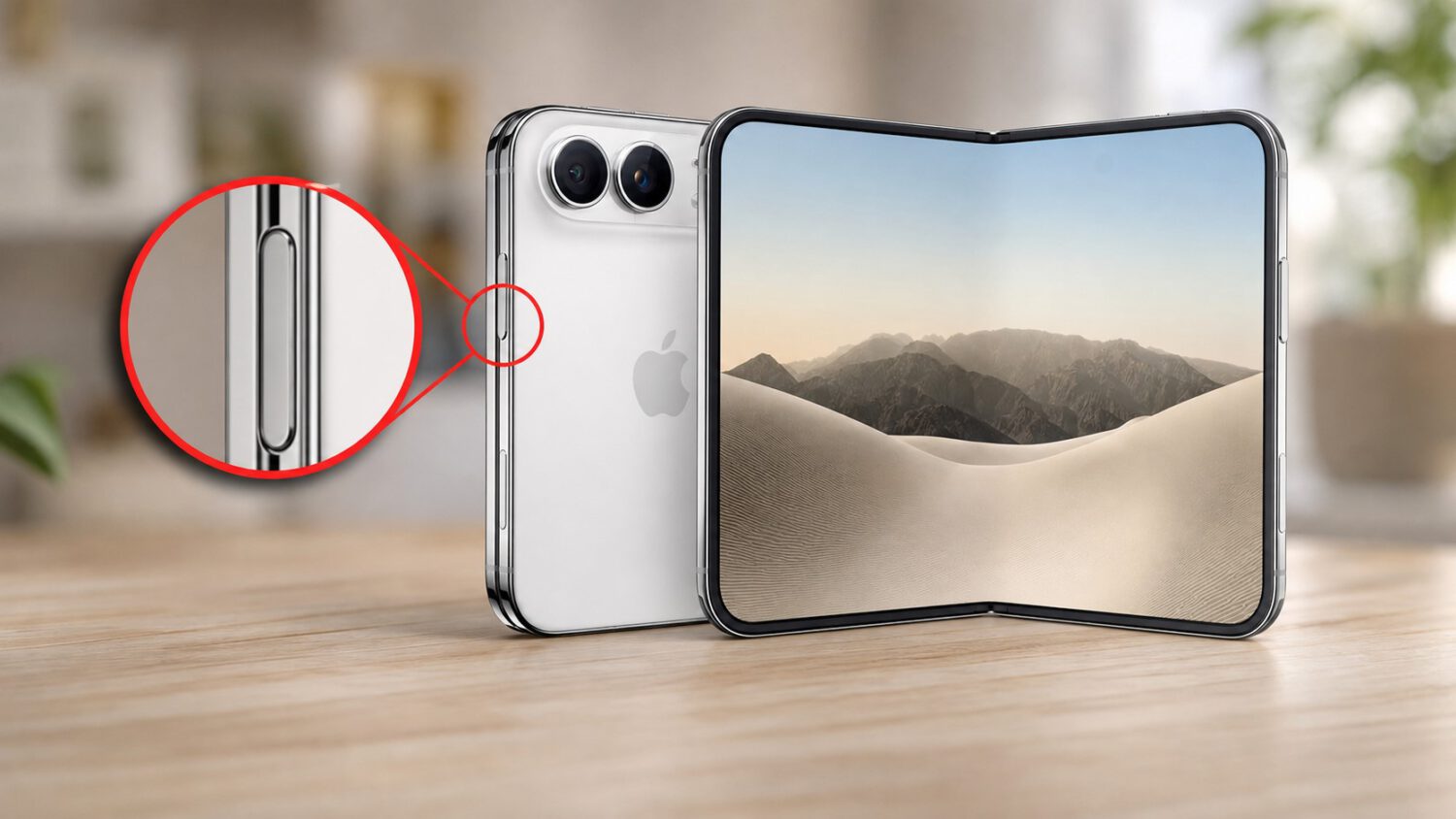
Open the Duo and you get a 7.6-inch, 120Hz OLED panel with a nano-texture finish and a 1,878-by-2,670 resolution. According to Brownlee, the crease is nearly invisible during normal use, which matters when you are treating the device like a compact tablet.
Battery life held up well in his testing. Brownlee reported finishing the day above 30% regularly, and Apple advertises up to 31 hours of video playback on the inner display (and up to 44 hours on the outer display), though those are controlled figures rather than direct real-world equivalents.
The hinge drew praise from Brownlee for its solid construction and variable resistance. He described the open-and-close experience as one of the device’s genuine highlights.
Running two apps side by side was another strength Brownlee identified. Apple’s A20 Pro chip, paired with a dual 16-core Neural Engine, supports the multitasking load, and an IP68 water resistance rating adds durability credibility for a first-generation device.
Where $1,999 Gets Complicated
A beautiful screen surrounded by tradeoffs that accumulate quickly.
At 254 grams, the Duo is heavy. Brownlee found it thick and uncomfortable for ordinary phone use, and Samsung’s Galaxy Z Fold 8 is reportedly around 20% lighter, which makes that discomfort harder to dismiss as an acceptable first-generation compromise.
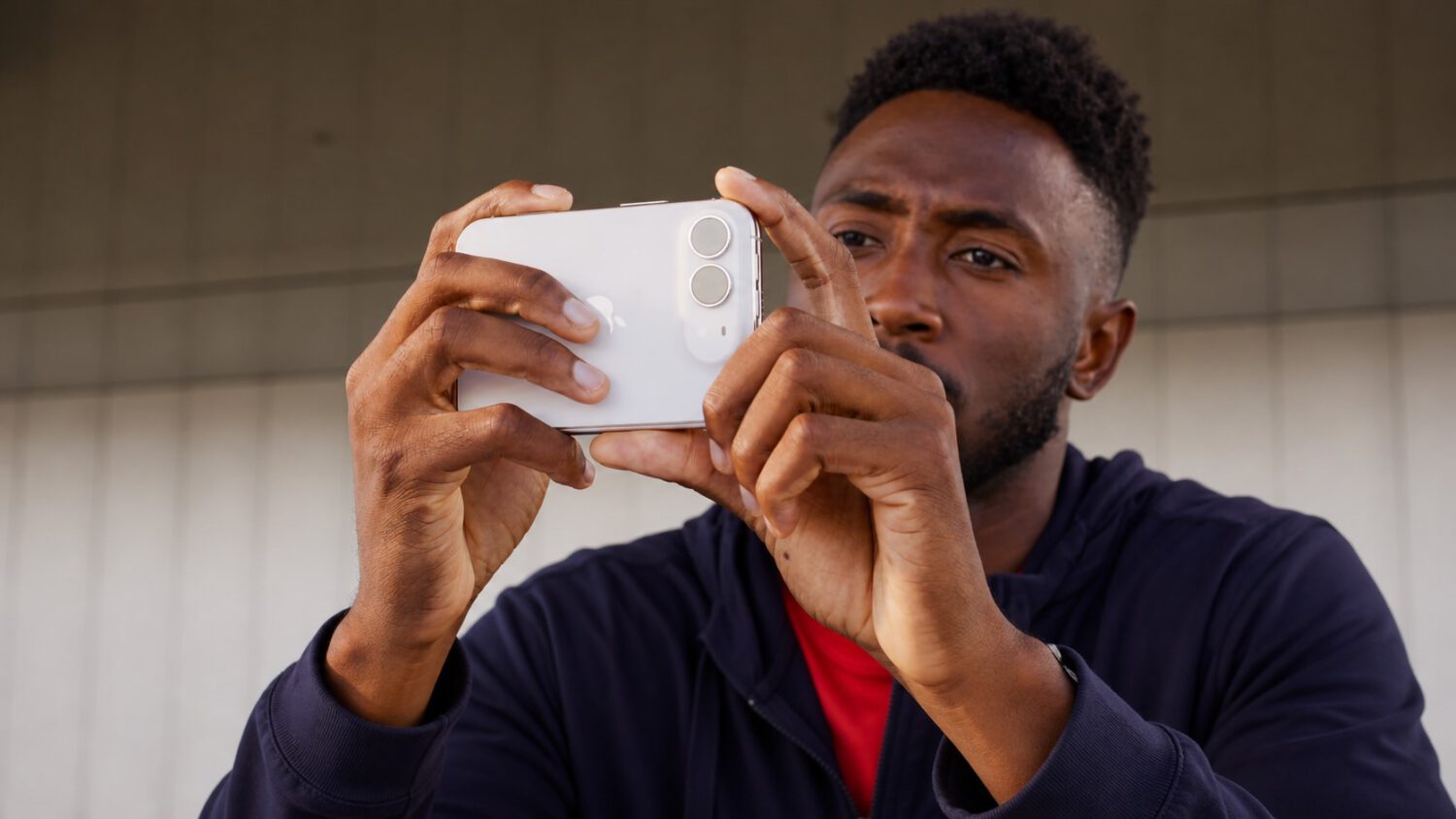
The camera package is more frustrating. There is no telephoto lens, and both ProRes and Log video recording are absent, placing the Duo closer to an entry-level iPhone than an iPhone Pro in terms of photographic flexibility.
The under-display selfie camera produced results Brownlee described as poor, a subjective judgment but one consistent with the category’s persistent weak point. The Duo also does not use Face ID; its fingerprint sensor works, but Brownlee reported a noticeable built-in delay that interrupts an otherwise smooth experience.
Software optimization is the longer-term concern. Spotify, Google Maps, Discord, and X reportedly do not yet take full advantage of the foldable display. Brownlee estimates the app ecosystem may need roughly six months to mature, though that timeline is his assessment, not a commitment from Apple.
Bottom Line
The Duo is a specialized product, not a failed one, and the distinction matters for who should consider buying it.
The iPhone Duo is built for buyers who want a pocketable large-screen multitasking device. Those buyers must also be comfortable paying a premium to enter Apple’s foldable ecosystem early.
For everyone else, particularly those who mainly scroll, text, or care about camera flexibility, the tradeoffs outweigh the experience. The camera package alone represents a meaningful step down from what iPhone Pro users would expect, in Brownlee’s assessment.
Pricing runs from $1,999 for the 256GB model to $3,199 for 2TB. The Duo is available October 23, 2026.