On April 22, a handwritten note at an Amazon construction site in Manassas, Virginia, claimed that a dozen pipe bombs would detonate within 30 minutes. Workers fled, bomb-detection teams searched the site, and authorities found nothing.
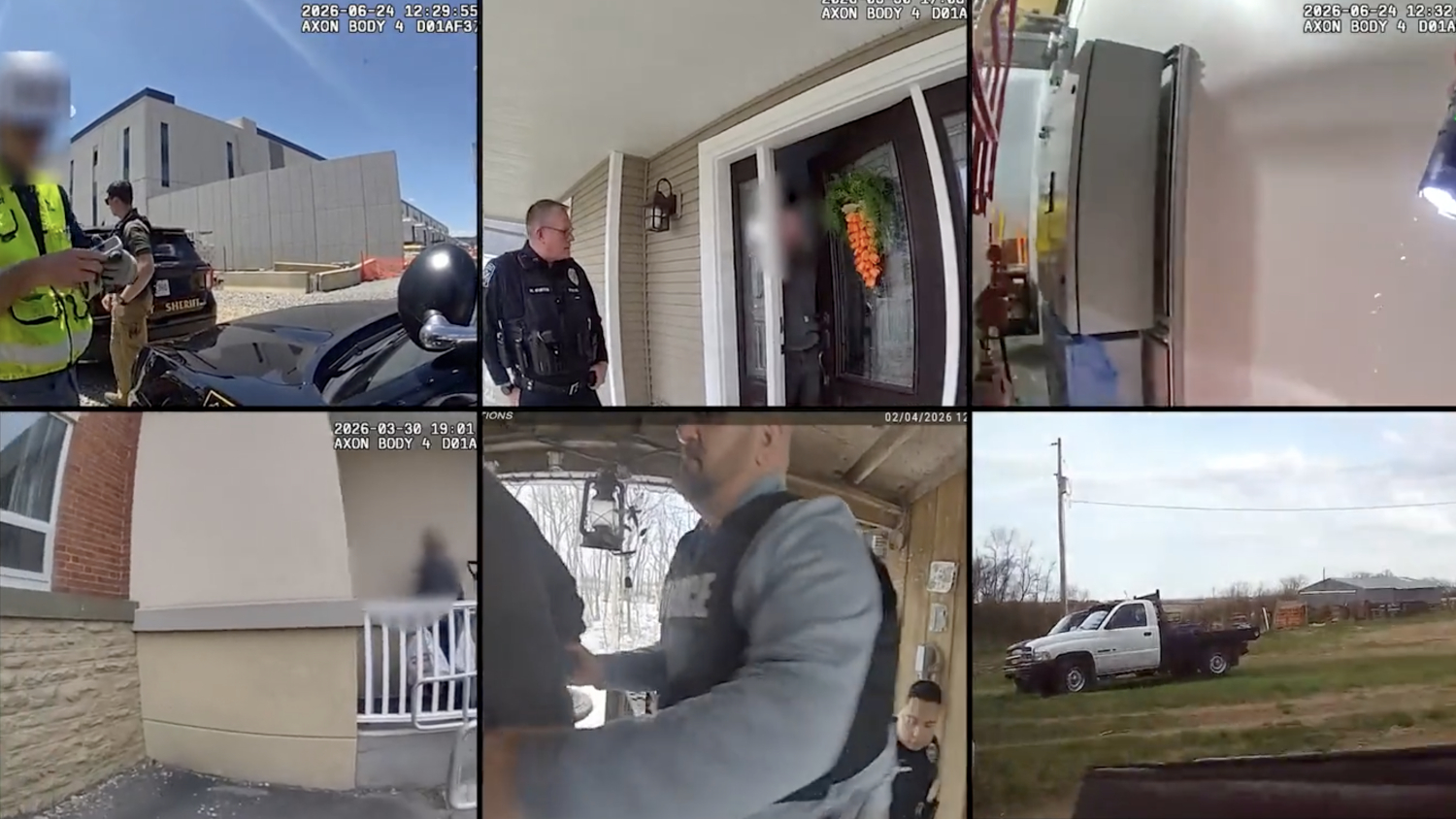
That false alarm was not isolated. A CNN review of more than 100 police reports filed since the previous year found roughly 70 involving alleged threats, intimidation, or planned attacks connected to data-center opposition across the country.
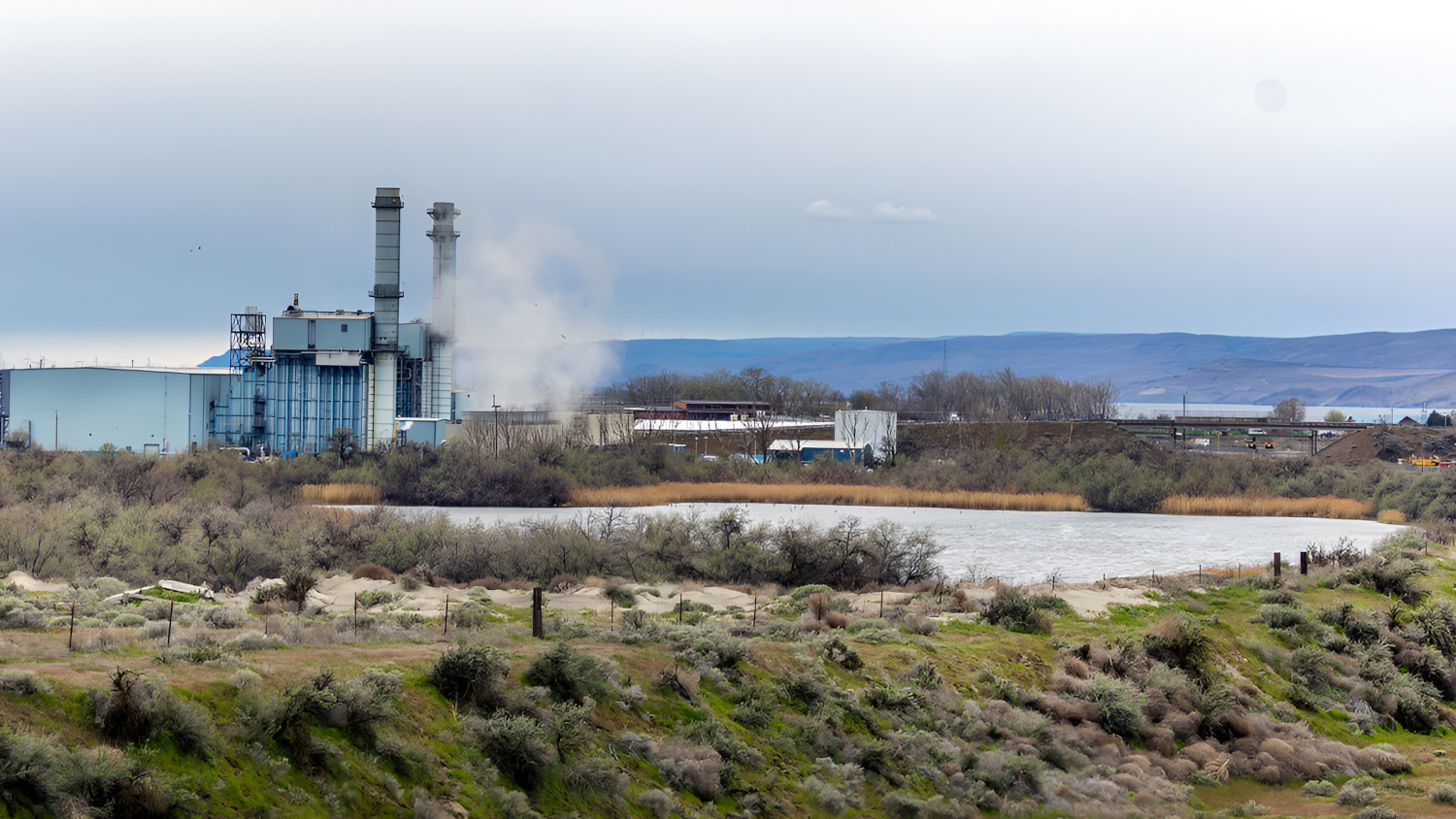
Rapid AI expansion is driving a construction boom in server infrastructure. In some communities, that growth has pushed opposition well past town-hall arguments into criminal territory.
Threats Spread Across the Map
From Virginia to Utah, bomb hoaxes and violent rhetoric are multiplying at data-center construction sites.
Loudoun County, Virginia, which CNN described as the “data center capital of the world,” recorded at least nine bomb threats in less than a year. Repeated site closures cost construction workers wages, according to a representative of an electrical contractor.
Bomb messages written inside a portable toilet at a site in Eagle Mountain, Utah, prompted evacuations in both April and May. Authorities found no explosives in either case.
Facing felony charges in Troy, Illinois, Anthony Hinojosa pleaded not guilty after allegedly commenting on Facebook that people should “start shooting” those involved in a proposed data center. He said he was objecting to possible effects on electricity and water.
Harley DeLander faced felony charges in Dixon, Illinois, after urging a protest at a data-center supporter’s home and threatening the man’s family. Those charges were later set for dismissal after he pleaded guilty to a lesser petty offense and completed a court-ordered program.
Authorities in Bell County, Texas, arrested a man over an online comment invoking the killing of UnitedHealthcare CEO Brian Thompson and threatening officials connected to local construction. That case remains ongoing.
In Salt Lake County, Utah, an alleged stalking and threat campaign drove the target’s family to temporarily relocate. The target told police the family spent roughly $14,000 on home security; that case also remained pending in CNN’s report.
A judge in Cumberland County, Pennsylvania, dismissed a case against a man charged with making “terroristic threats” about officials supporting a data center.
CNN described gunfire striking an Indianapolis council member’s home as a rare example of actual violence within a much larger volume of threats and false alarms.
Grievances, Polls, and Political Pressure
Electricity bills, water supplies, and tax deals are fueling opposition that now crosses party lines.
Opposition centers on concrete local concerns. Residents cite higher electricity prices, strained water supplies, tax incentives for developers, and doubts that data centers create enough permanent jobs to justify their costs.
Data centers accounted for an estimated 4.7% of total US electricity consumption in 2024, according to figures cited in reporting on Lawrence Berkeley National Laboratory research. That same research projects the share will reach roughly 12% by 2030.
Lawrence Berkeley also estimated that data centers directly consumed about 66 billion liters of water in 2023. The figure covers on-site use and is cited from secondary reporting; the underlying LBNL report should be confirmed before publication.
A poll released in September 2026 by the University of Chicago Energy Policy Institute and conducted July 7–24 found 78% of Americans at least somewhat concerned about AI’s environmental impact. The same survey found 63% worried that data centers would raise electricity prices and 57% concerned about local water supplies.
A separate Politico poll found that only 16% of respondents believed data centers benefit both the local area and the country as a whole. Nearly 60% said the facilities either cause harm or provide no meaningful benefit. The pollster, methodology, and field dates for the Politico survey have not been independently confirmed.
Opposition spans both parties. At least 15 states were reportedly considering moratoriums on new construction, and research cited by Insurance Journal found at least 45 projects worth nearly $68 billion blocked or delayed between April and June. The underlying research organization and definitions have not been independently verified.
Law enforcement has responded with heightened monitoring. US Capitol Police circulated information about protests organized by Humans First, a group chaired by conservative activist Amy Kremer. Colorado and California issued bulletins, as reported by CNN, warning that anti-technology narratives could attract anarchists, environmental extremists, and white supremacists; the actual bulletin language should be confirmed against the original documents.
CNN also found cases in which people were questioned or arrested over hostile but ambiguous statements that did not contain specific threats of violence. Critics argued that some investigations treated political speech as criminal conduct, while police said they had to take potentially threatening language seriously even when it later proved to be empty.
CNN’s reporting makes clear that opposition to data centers is politically and ideologically diverse, and that most reported opposition has taken the form of lawful criticism and organizing rather than threats.
Actual violence remains rare, but the volume of threats has consumed police resources, frightened workers, and sharpened local political fights. Siting rules, clean-energy requirements, and developer-funded grid upgrades are becoming prominent proposals in permitting debates across the country. Where the line falls between protected criticism and criminal threat remains actively contested in courts and communities alike.