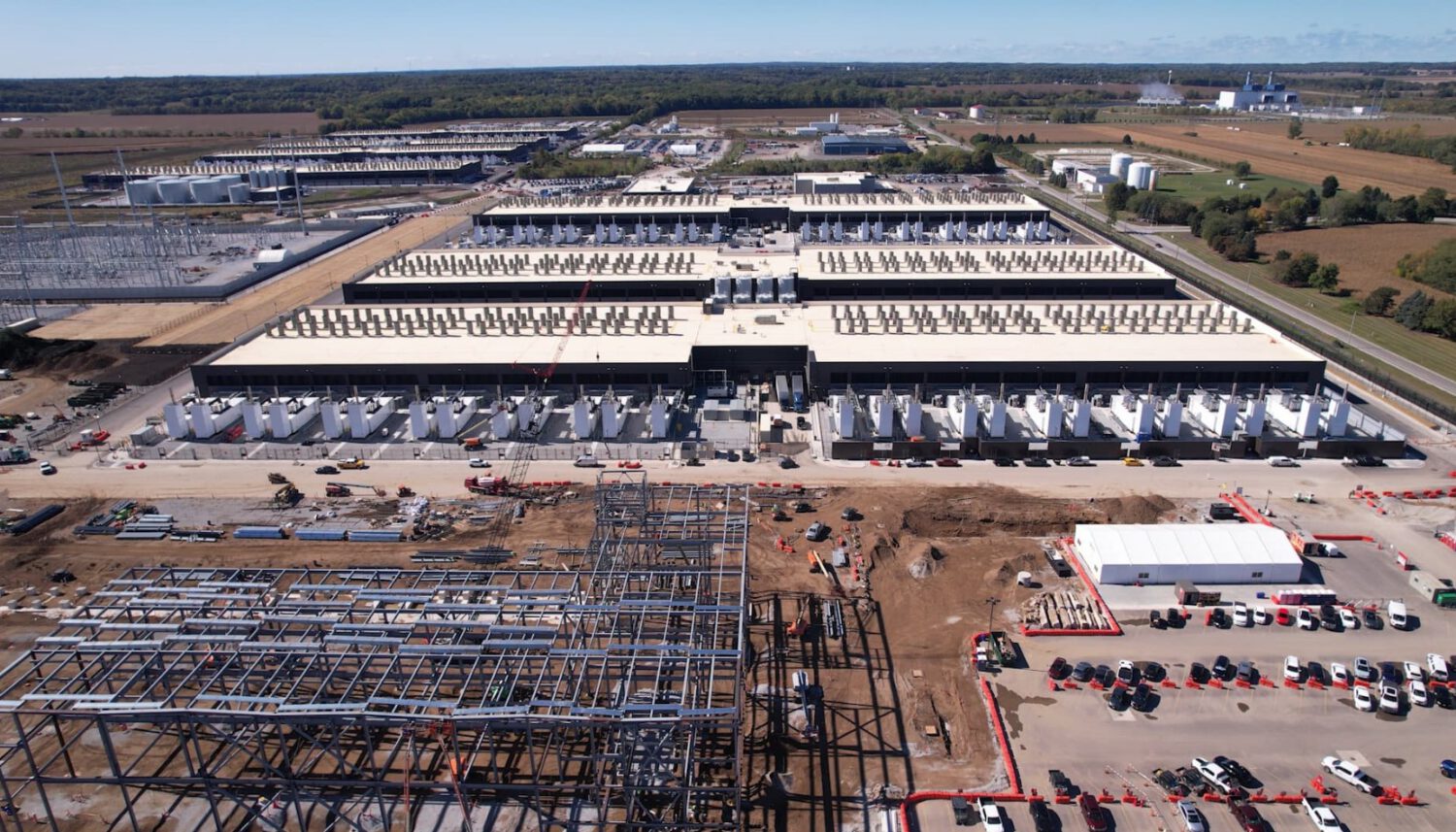
AWS CEO Matt Garman invokes national security to counter community resistance, but the company’s track record on transparency complicates the pitch. Garman said more than 100 data-center moratoriums were under consideration across the United States, comparing the buildout to the postwar interstate highway system in a 3,000-word public defense published in October 2026. Communities weighing real costs, including higher electricity bills, water consumption, and diesel exhaust, are being told that resistance could hand the AI race to foreign competitors. That framing carries an evident commercial interest: AWS cloud and generative-AI revenue depend on the infrastructure Amazon is defending. Residents near proposed facilities have raised concerns about AI data centers and the power they draw from local grids.
Garman announced a program called “Built Together,” which Amazon says will invest more than $1 billion over five years in communities hosting its facilities, according to AFP reporting. Proposed funding covers education, workforce training, energy affordability, water initiatives, and locally chosen projects. Amazon also says it has stopped using nondisclosure agreements with local governments and will share project information earlier in the approval process.
Garman went further, suggesting that hostile foreign nations may be intentionally seeding misinformation in the United States to slow data-center construction. That allegation was presented without publicly disclosed evidence and serves Amazon’s broader argument that public opposition could compromise national competitiveness. A Wall Street Journal poll found that 62% of voters supported pausing data-center construction, and 40% of those supporters described it as a top priority.
What Communities Are Actually Worried About
Community concerns go beyond abstract environmental objections, and Amazon’s own documented history on water disclosure makes its new openness pledges harder to accept at face value.
Residents near proposed and existing facilities have raised specific objections: projected increases in household electricity costs, data-center water use for cooling, and pollution from diesel backup generators. Secrecy around negotiations between companies and local agencies, often shielded by NDAs, compounds those concerns. Reporting has also connected data centers in Texas with diesel generator use under regulatory arrangements that critics argue allow facilities to minimize certain environmental restrictions, though those arrangements remain contested and their full scope has not been independently confirmed.
Amazon’s broader emissions record adds context. Reporting has linked the company’s AI expansion with a significant increase in its overall carbon emissions, even as Amazon maintains a stated commitment to reach net-zero by 2040. Previously reported documents suggested that Amazon executives discussed limiting public understanding of the extent of the company’s data-center water use; that history creates a credibility problem for the transparency commitments Garman is now making, though it does not by itself prove current bad faith.
The Economic Argument and Its Limits
Amazon’s economic case for data centers holds up in parts, but the benefits communities actually receive depend heavily on details Amazon controls.
Amazon argues that data centers generate tax revenue, construction activity, infrastructure investment, and jobs. Construction employment is temporary, however, and meaningful local benefit depends on permanent job numbers, negotiated tax arrangements, utility rate effects, and whether “Built Together” funding is actually delivered. For communities currently weighing a data-center proposal, the distinction between a voluntary corporate pledge and a legally enforceable commitment is not a procedural footnote.
Amazon’s messaging reflects a broader shift: the company is now presenting private infrastructure expansion as a matter of national strategic interest, a posture that has drawn scrutiny alongside Amazon’s broader emissions commitments and international regulatory concerns. That framing is politically effective, but it does not resolve whether local costs are shared equitably. Some communities are seeking binding conditions covering public reporting of energy and water use, enforceable caps on utility rate impacts, and disclosed government agreements. How Amazon responds to those demands, rather than to polling or press releases, will be the clearest measure of whether “Built Together” is a policy or a campaign.