Confidential conversations should not happen in or near a modern car. That is the practical message from the AIVD, the Netherlands’ General Intelligence and Security Service, according to BNR reporting on the agency’s warning that microphones, cameras, and connected systems in today’s vehicles can create surveillance risks.
The warning is aimed primarily at government officials and business executives handling sensitive information. The underlying concern, however, applies to anyone who has treated a car as a sealed private space.
It isn’t one anymore.
A Driving Computer, Not a Private Room
Many modern connected vehicles carry sensors and network links that make them resemble smartphones more than they do traditional cars.
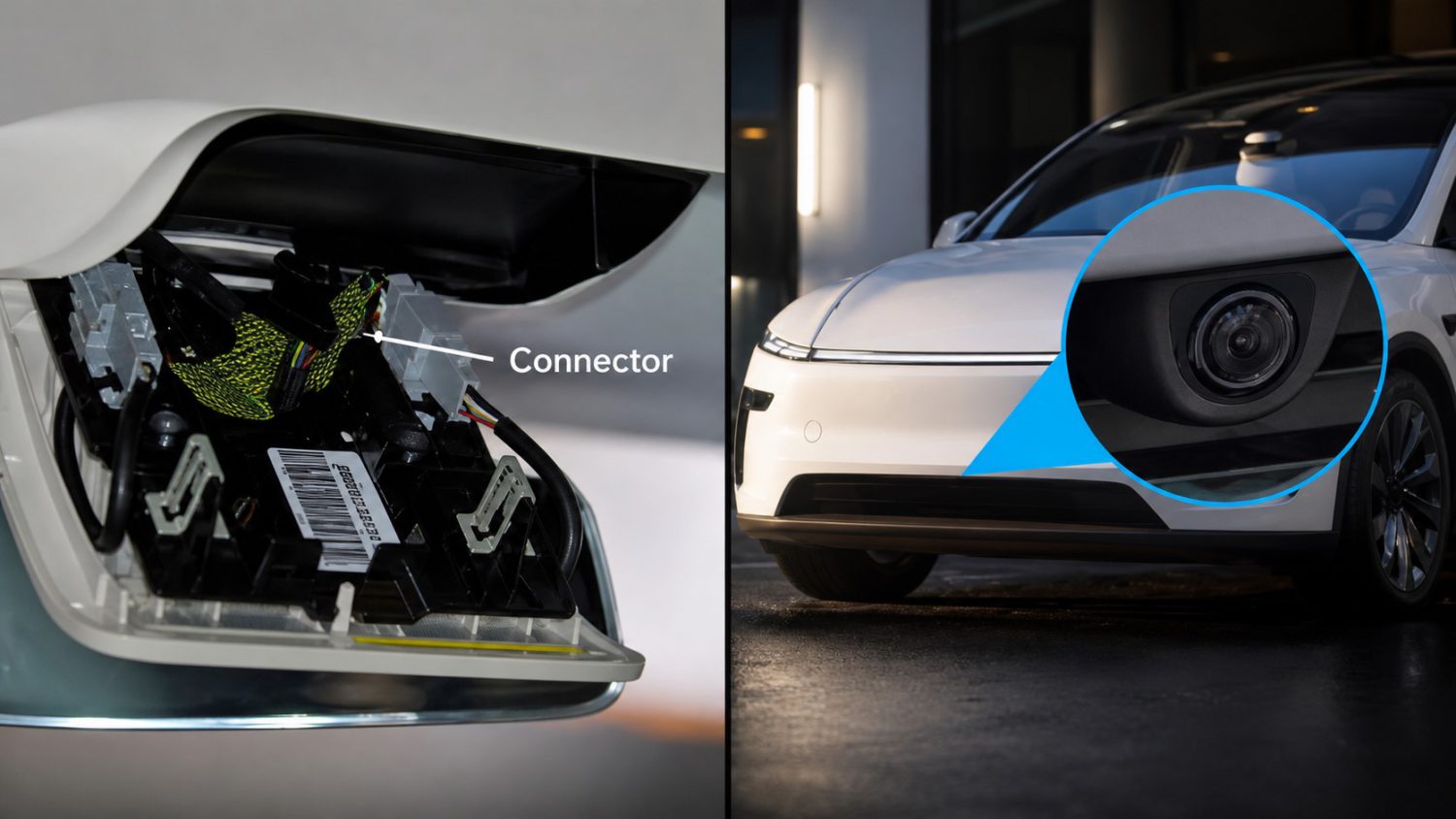
Many modern connected vehicles are networked devices, equipped with built-in microphones, cameras, embedded cellular modems, GPS systems, and voice assistants. User-linked services, including companion apps and phones paired over Bluetooth, expand that data environment further.
Michel van Eeten, a professor of cybersecurity at Delft University of Technology, described the risk plainly in WNL reporting from August 2025. Translated from Dutch, he said a car today is essentially a kind of driving computer, and if someone wanted to, you could easily be hacked. (The English wording is a translation; direct transcript verification should be completed before publication.)
That connected architecture means a vehicle can potentially expose more than what you say out loud. According to verified research, the data environment of a modern connected car may include:
- Spoken conversations via built-in microphones
- Contact and communications data from paired phones, depending on permissions
- Location history and real-time GPS position
- Camera footage from interior or exterior sensors
- Access through remote-service companion apps
A weakness in any one of those components could, depending on the vehicle’s hardware, software version, and embedded services, give an attacker a foothold. Think of it less like breaking into a car and more like finding an unlocked backdoor in an app you forgot you installed.
What the Warning Actually Means for You
The AIVD’s concern is targeted, not a broad claim that every driver is under surveillance.
Available reporting does not allege that ordinary drivers are being routinely monitored. The advisory focuses on business and government officials handling sensitive information: people whose conversations carry genuine intelligence value.
The operational principle is still worth understanding. Turning off a voice-assistant function may not disable every microphone or communications module; whether that is possible depends on the vehicle’s design and the controls its manufacturer provides. Some apps have been found secretly tracking users without clear disclosure, underscoring how difficult it can be to know when data collection is occurring.
The available research does not identify a universal remote-activation switch present in every modern car. Remote access depends on the make, model, and software version, as well as whether a vulnerability has been exploited or authorized access has been obtained.
It also matters who is doing the accessing. The AIVD’s own lawful interception powers are subject to legal conditions including necessity, proportionality, and formal authorization. That framework governs the agency’s intelligence activities and is entirely separate from criminal intrusion or unauthorized access by malicious third parties. The two should not be confused.
The defensible conclusion from this warning is straightforward: a connected car is not a secure room.
The Harder Question Ahead
As vehicles gain more software-defined functions, the question of when their sensors are active is only going to get harder to answer.
Sensitive conversations belong in environments without networked microphones, cameras, or connected devices present. The AIVD warning signals that vehicles now belong on that list.
Cars are gaining more remote functions, software-defined features, and deeper integration with personal accounts. Knowing exactly when your vehicle’s sensors are active may become more complicated as that integration deepens. That ambiguity is precisely what makes the AIVD’s advice worth taking seriously now.