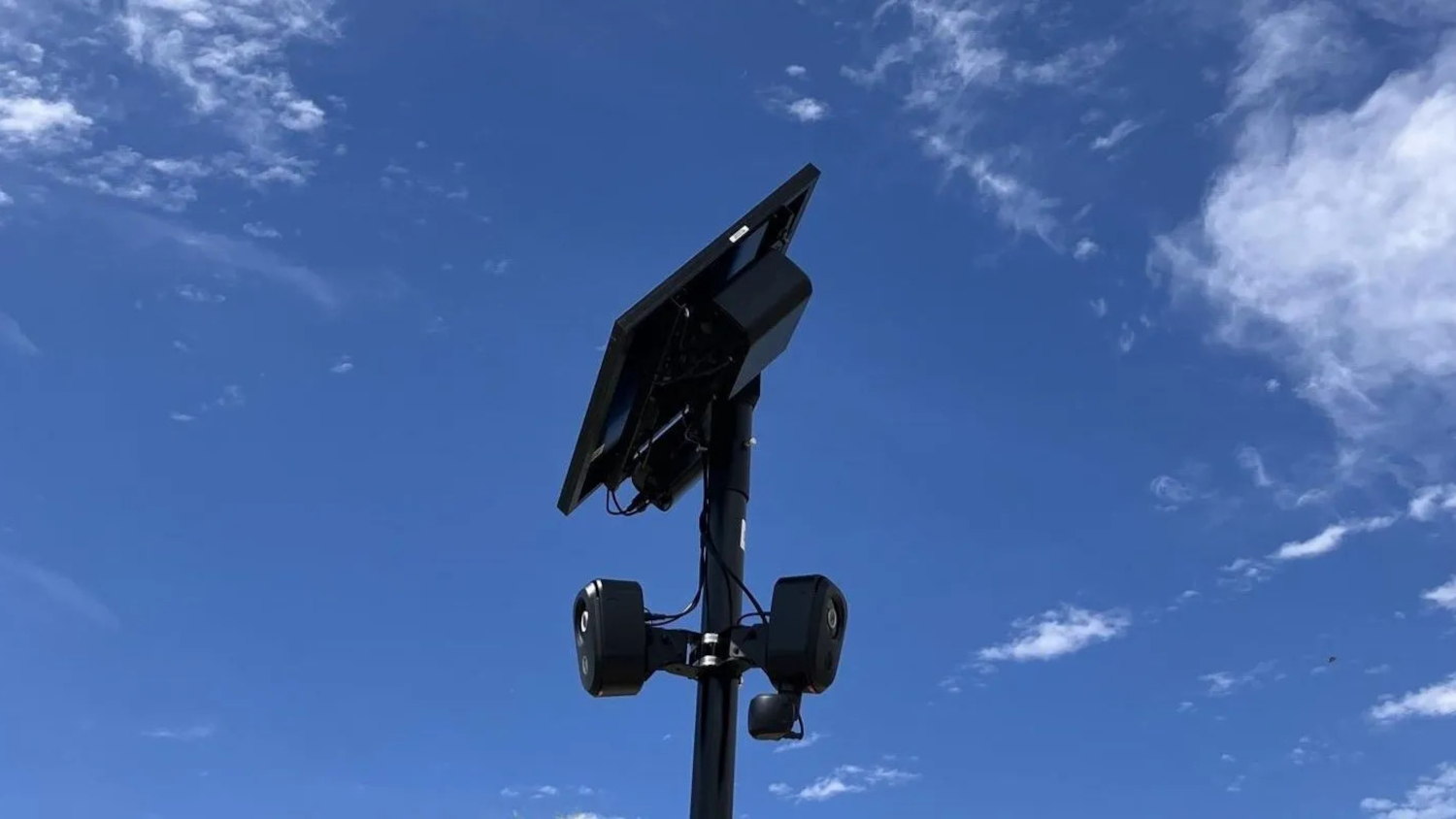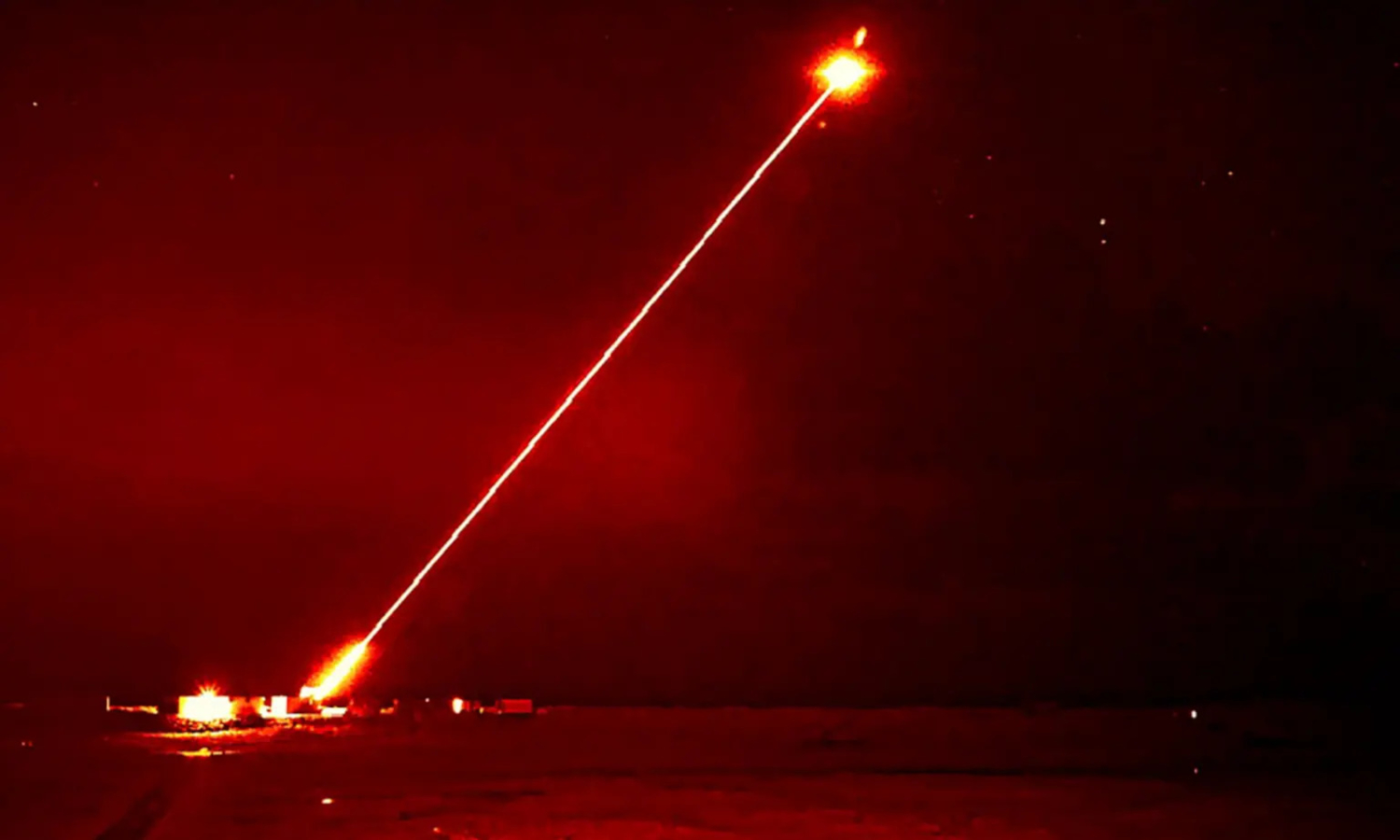
The controller on your coffee table and a weapons system targeting drones over the Strait of Hormuz share more design DNA than you might expect. According to a September 24, 2026 New York Post report, U.S. forces are using reconfigured Xbox-style controllers to operate high-energy laser weapons in the Strait of Hormuz. The reported targets include Iranian drones and cruise missiles, though that operational claim has not been independently confirmed by a Defense Department release and should be understood as reported rather than established.
How the Laser System Actually Works
Infrared beams, invisible to the naked eye, disable targets through sustained heat transfer rather than explosive force.
The systems convert electrical energy into concentrated photon beams operating in the infrared spectrum. Sustained contact with a small area of a target transfers enough heat to melt components, weaken structures, or trigger failure outright.
Sensors and software handle target identification and tracking; the operator uses the controller to authorize or direct each engagement. AeroVironment’s LOCUST system offers the clearest public example: per the company, Pete Hegseth defeated a drone within minutes after only a brief introduction to the system.
Why an Xbox Controller
The gaming industry already solved the ergonomics problem, and the military is borrowing the answer.
“The video games industry figured out what the best controller was,” defense writer Jared Keller told the New York Post on September 24, 2026. The rationale is practical: two analog sticks and a familiar button layout let operators track targets quickly without learning an entirely new interface from scratch.
Keller described Xbox-style controllers, or militarized variants called full-motion control units, as interfaces for next-generation U.S. military weapons in a 2024 WBUR interview. That practice predates the current Strait of Hormuz reporting by years.
What you’re picturing is not a standard retail Xbox controller plugged into a weapons rack. These are reconfigured or militarized variants built around a familiar form factor. Keller noted that someone familiar with the Spartan laser in Halo could probably grasp the basic interface logic. That is an analogy about ergonomic familiarity, not evidence that gaming experience alone qualifies anyone to operate the system.
Cost and Trade-offs
Lower cost per engagement does not mean the overall program is cheap.
Laser systems offer a potentially lower per-engagement cost because no separate interceptor missile is expended per target. The New York Post reported approximately $500 million in U.S. spending on “war-ready” laser weapons, though the available research does not break that figure down by contract or program.
The systems carry real operational constraints. Performance can degrade in adverse weather, at longer ranges, and under simultaneous multi-target pressure such as drone swarms. Line of sight is also a firm requirement.
What Is Confirmed and What Is Not
The technology exists and has been demonstrated; the Strait of Hormuz combat claim requires further verification.
High-energy laser systems are real, publicly documented, and have been demonstrated operationally. Gaming-style controller interfaces for military directed-energy systems are similarly documented, supported by AeroVironment’s own account and Keller’s 2024 reporting.
The Strait of Hormuz combat claim remains reported, not confirmed. No Defense Department release has independently verified active engagements against Iranian drones or cruise missiles in that region, and the New York Post remains the primary source for the assertion, with secondary outlets repeating its account.
If field deployment proves as effective as demonstrations suggest, directed-energy systems could supplement missiles for counter-drone and short-range air defense missions. Whether that outcome materializes depends on what independent confirmation, including official platform identification and verified engagement records, eventually shows.