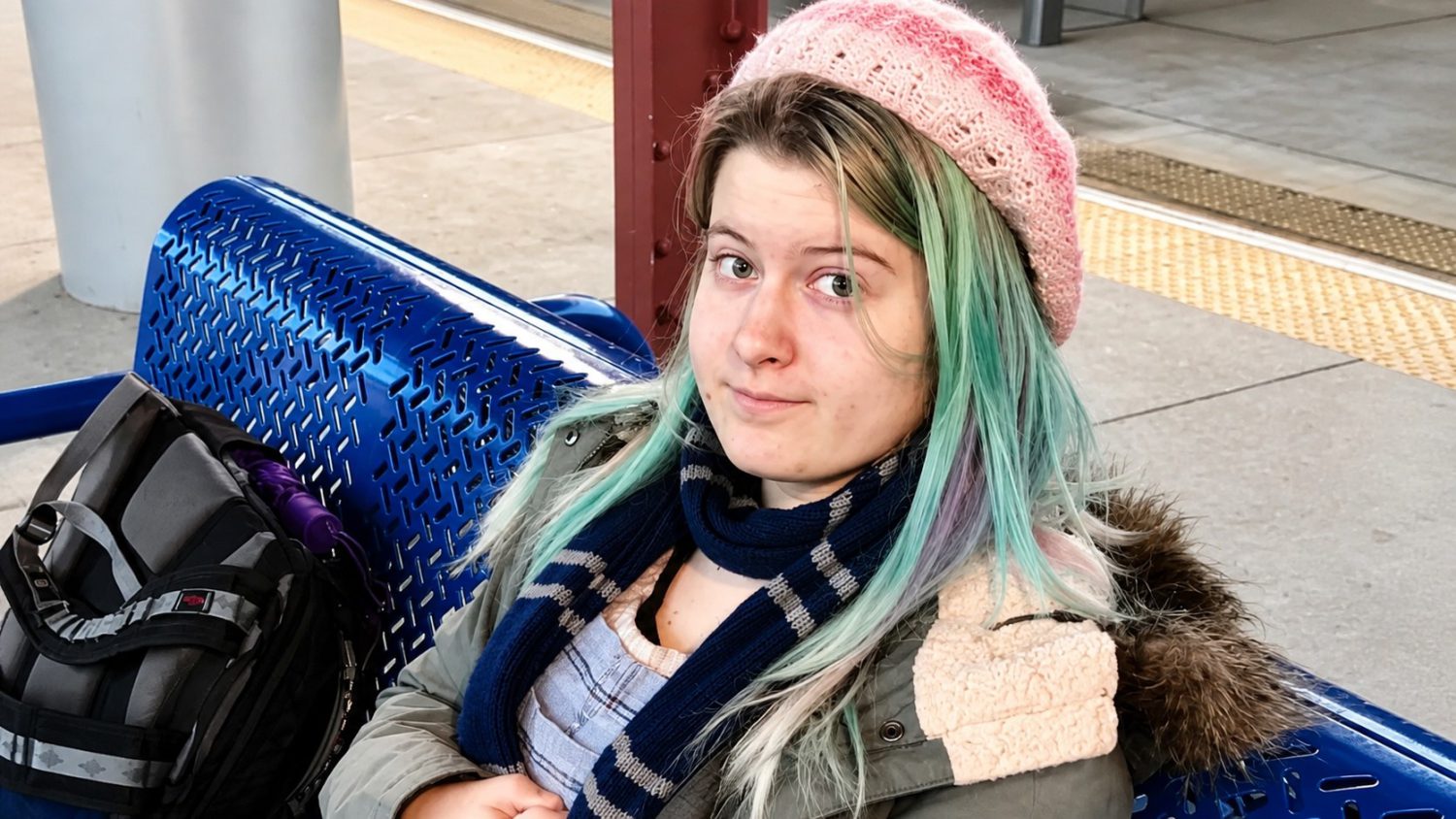
By her family’s account, Emily Normandin-Parker made a careful choice the night she died. The 23-year-old UCLA graduate booked an Uber home because she had been drinking and did not want to drive.
She never made it home. An arbitrator has since ordered Uber and its driver to pay her parents $40 million.
Retired Judge Richard A. Stone issued the award after a five-day arbitration proceeding, finding Uber and driver Vu Tran jointly responsible for Normandin-Parker’s death. According to ABC News, Stone also found Uber vicariously liable as a common carrier, a legal designation that holds transportation providers to a heightened duty of care toward passengers.
Rideshare companies have routinely argued that drivers are independent contractors, not employees, limiting platform liability. The common-carrier finding directly challenges that defense, at least as applied in this arbitration.
A Ride Home That Ended on a Freeway Shoulder
The sequence of events on August 12, 2023 became the center of a $40 million accountability question for Uber.
Normandin-Parker and her friend Luna Moore booked an Uber home on August 12, 2023. During the trip, Moore became sick and vomited in the vehicle.
According to the family’s attorneys and arbitration materials, Tran stopped on or near State Route 73 in Orange County and ordered both intoxicated women out of the car. Normandin-Parker was then struck and killed by another vehicle.
After leaving the women on or near the freeway, Tran did not call emergency services, according to the family’s lawyers. He instead contacted Uber to request a cleaning fee related to the vomiting incident.
Stone concluded, according to ABC News, that Tran could have taken a nearby exit and dropped the women at a safe location rather than leaving them where he did.
$40 Million, No Punitive Damages, and a Significant Legal Finding
The $40 million award was divided equally: $20 million each to Normandin-Parker’s parents, Carol Normandin and Ken Parker. Moore received a separate $300,000 award. No punitive damages were included.
This was an arbitration, not a conventional public jury trial. The arbitration document was dated in July and later released by the family’s attorneys.
The common-carrier designation matters for a specific reason. It means Uber cannot simply argue that a driver’s real-world decisions are separate from the company’s legal responsibility.
Uber disputed the outcome. The company said it believed the arbitrator was wrong to hold it legally responsible and added that it had since strengthened driver guidance, including explicit instructions to avoid unsafe drop-off locations.
Uber’s Reported $10 Million Offer Came With a Silence Clause
According to the family’s law firm, Uber offered a $10 million settlement before arbitration concluded. That offer reportedly required Normandin-Parker’s parents to refrain from discussing the case publicly.
The parents declined.
What the Family Said
Carol Normandin and Ken Parker said their daughter had specifically chosen not to drive herself home because she had been drinking, following the kind of safety message Uber promotes to its users. They said they had trusted the platform to get her home safely.
The ruling may pressure rideshare companies to confront a question this case has made harder to avoid: when the app works but the driver fails, who is actually responsible for getting a passenger home safely? The broader landscape of vehicle autonomy raises similar concerns, as seen when a driverless Tesla robotaxi smashed through traffic barriers, forcing questions about who bears accountability when technology and human oversight collide.