Step outside in the right Richardson neighborhood and you will hear it before you see it: a high-pitched whirr cutting through the afternoon. Your neighbor just ordered something from Amazon, and it will arrive in 30 minutes. The sound, according to residents under the flight paths, does not stop after one delivery.
Amazon’s Prime Air drone program has moved well past the pilot stage in Richardson, Texas. The gap between the company’s framing and what some residents describe living beneath it has become the defining tension of the rollout, according to New York Times reporting dated September 21, 2026.
How the Program Actually Works
Richardson city officials authorized Prime Air operations from a local facility, with a 7.5-mile service radius and operating hours from 7 a.m. to 8 p.m. The Federal Aviation Administration controls airspace and cleared Amazon for beyond-visual-line-of-sight operations, setting a maximum altitude of 400 feet.
Deliveries can arrive in as little as 30 minutes, with fees ranging from free to $4.99 depending on the order, according to Amazon’s own announcements. The company says tens of thousands of items are eligible for the service.
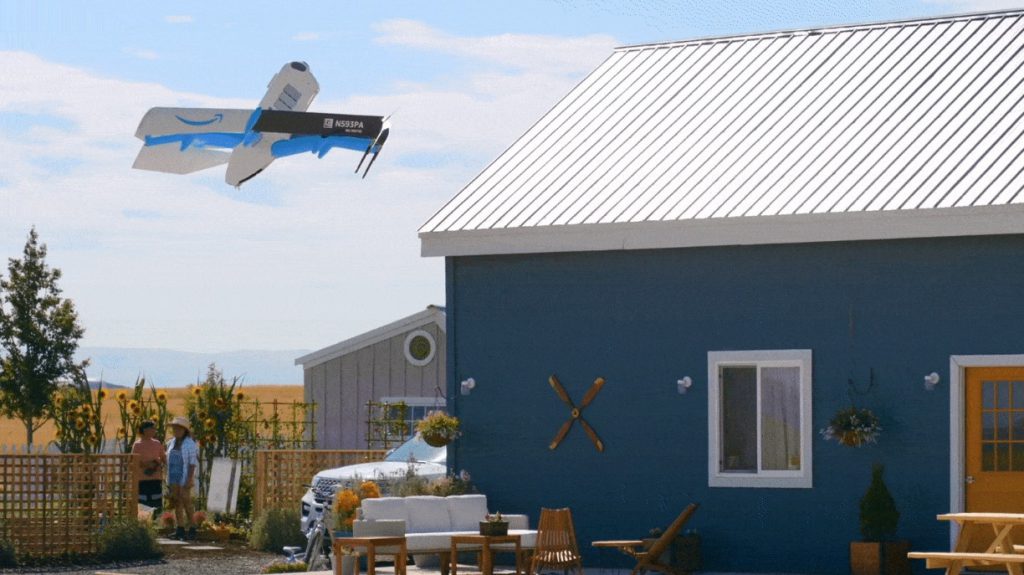
What Residents Under the Flight Paths Say
Residents near active routes describe the drones as sounding like flying lawn mowers, audible indoors even with the television on, according to New York Times reporting. Volume is one concern; frequency is another. When deliveries scale to a neighborhood-wide operation, the cumulative effect is what residents say they did not anticipate.
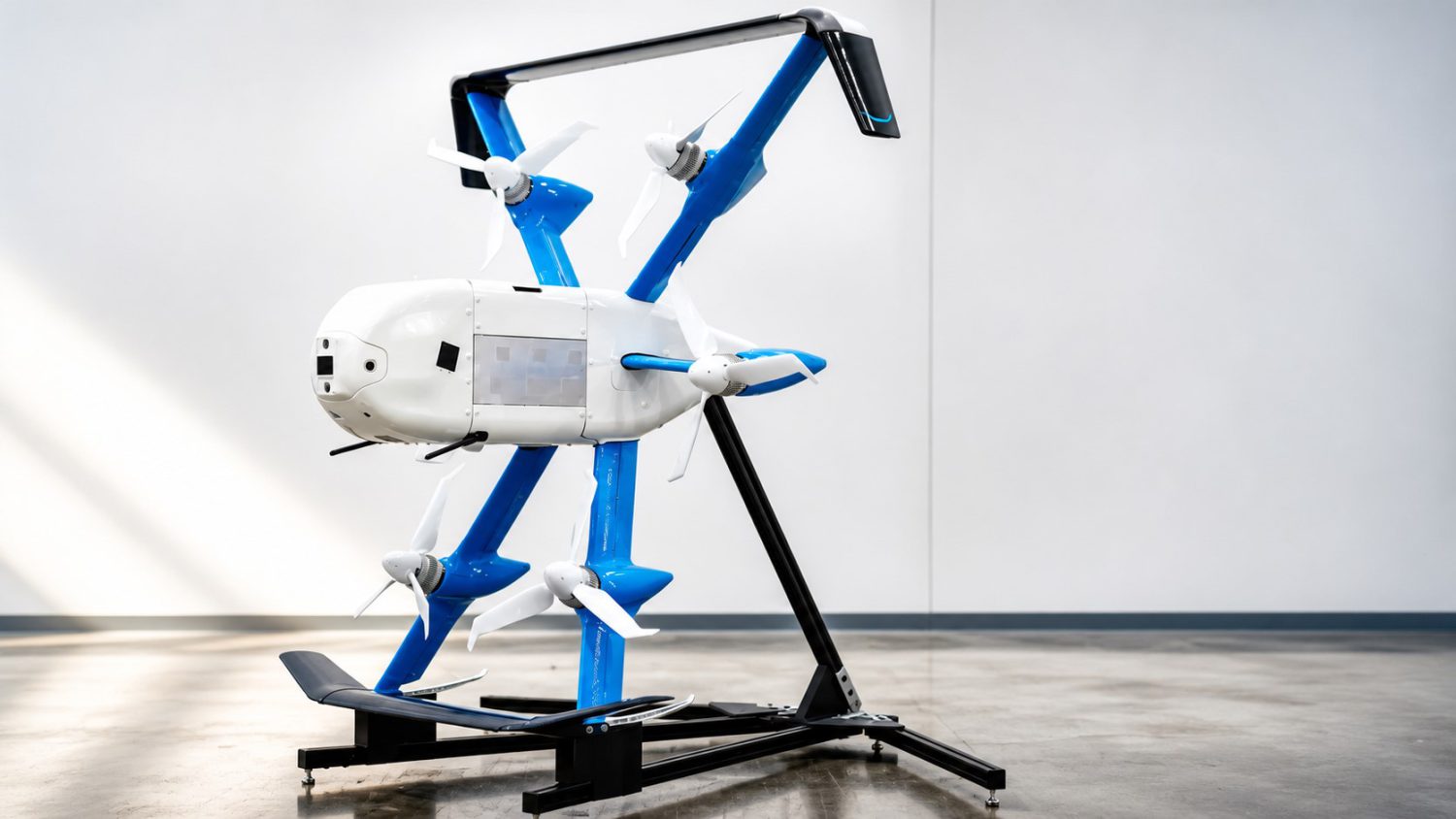
Privacy is the second flashpoint, and it centers on what those drones can see. Amazon’s aircraft carry multiple cameras and sensors for navigation, and one resident told the Times her concern is that those cameras could capture images of your backyard and that Amazon might use that data in ways you do not expect. A parallel concern, echoed by critics of other tech deployments, involves the potential use of such imagery as a surveillance app-like tool for data collection beyond stated purposes.
Amazon says stored images are kept on encrypted drives. Only authorized personnel can access them, and the company says they are used for safety and customer service purposes. Amazon also says it adjusted flight routing and altitude after resident feedback.
Cities Control the Ground; Washington Controls the Sky
The FAA owns airspace and operational standards; Richardson can influence zoning and facility placement, but cannot redirect approved flight paths. The FAA determined that commercial delivery drone operations do not constitute a “significant” environmental impact.
Some residents have responded by organizing neighborhood-level flight tracking, staging protests, and contacting officials in other cities where Amazon may expand Prime Air service. The effort resembles community opposition to cell tower placement, applied to infrastructure that moves.
Richardson as the Template
If Amazon’s expansion continues as reported, the same noise, privacy, and governance questions will follow the rollout elsewhere. The FAA projects sharp growth in commercial drone operations by 2030.
Amazon describes overall customer feedback as “overwhelmingly positive” and says fewer than 1% of its 2026 inquiries were noise-related. Those figures may be accurate in aggregate, but they say little about the specific experience of living under a high-frequency flight corridor.
The next city that approves Prime Air zoning will inherit Richardson’s questions, not just its delivery speeds. Operating hours and site placement are where the real negotiating room exists, and cities considering approval would do well to scrutinize both before signing off.