Wil Matthews stepped outside expecting a Toyota 4Runner TRD Pro and found an empty driveway. No truck, no car, no driver. His Tier-1 auto lender had already wired $36,240 to a shell company registered just months earlier, a spoofed GPS portal had tracked the fictional vehicle’s journey from Texas to California in real time, and every document he had reviewed looked legitimate. According to CBS News, nearly 5% of all automotive transactions are now fraudulent, and AI tools are making that number harder to contain. Car dealers have long been scrutinized for deceptive practices, but this new wave of AI-powered clone-dealer fraud takes that risk to an entirely different level.
How the Scam Works End to End
From a cloned Texas dealer to a synthetic driver’s voice, this fraud ran like a professional operation.
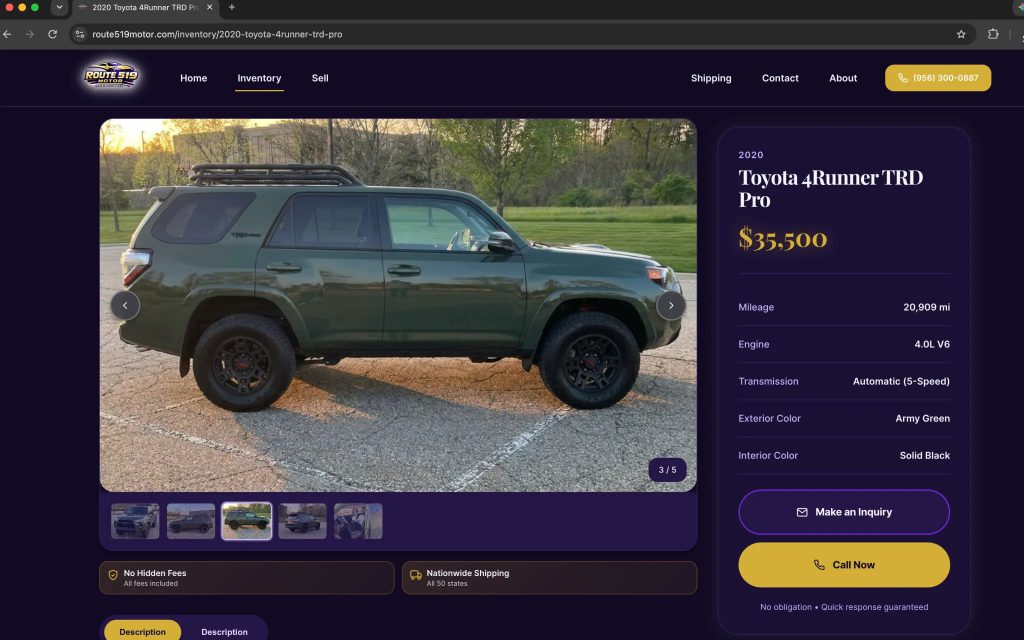
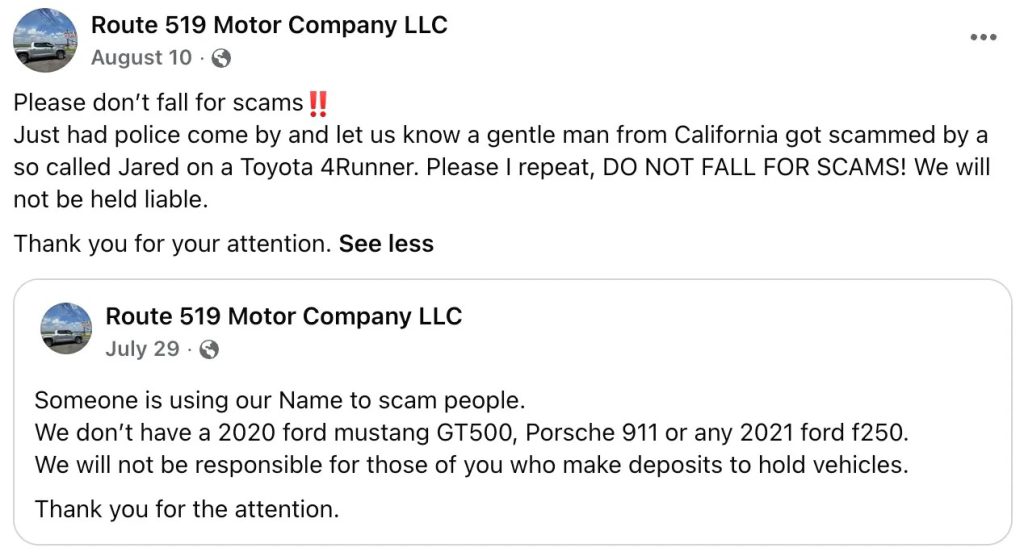
Fraudsters copied the identity of Route 519 Motor Company, a real dealer in Donna, Texas, and built a near-perfect imitation under the slightly altered name “Route 519 Motor.” Dropping one word from the name, they generated convincing window stickers, purchase orders, and a dealer license certificate.
Matthews’ lender found no anomalies, and the VIN returned as valid in a standard Google search. Bank approval and a clean VIN check do not confirm that the vehicle exists.
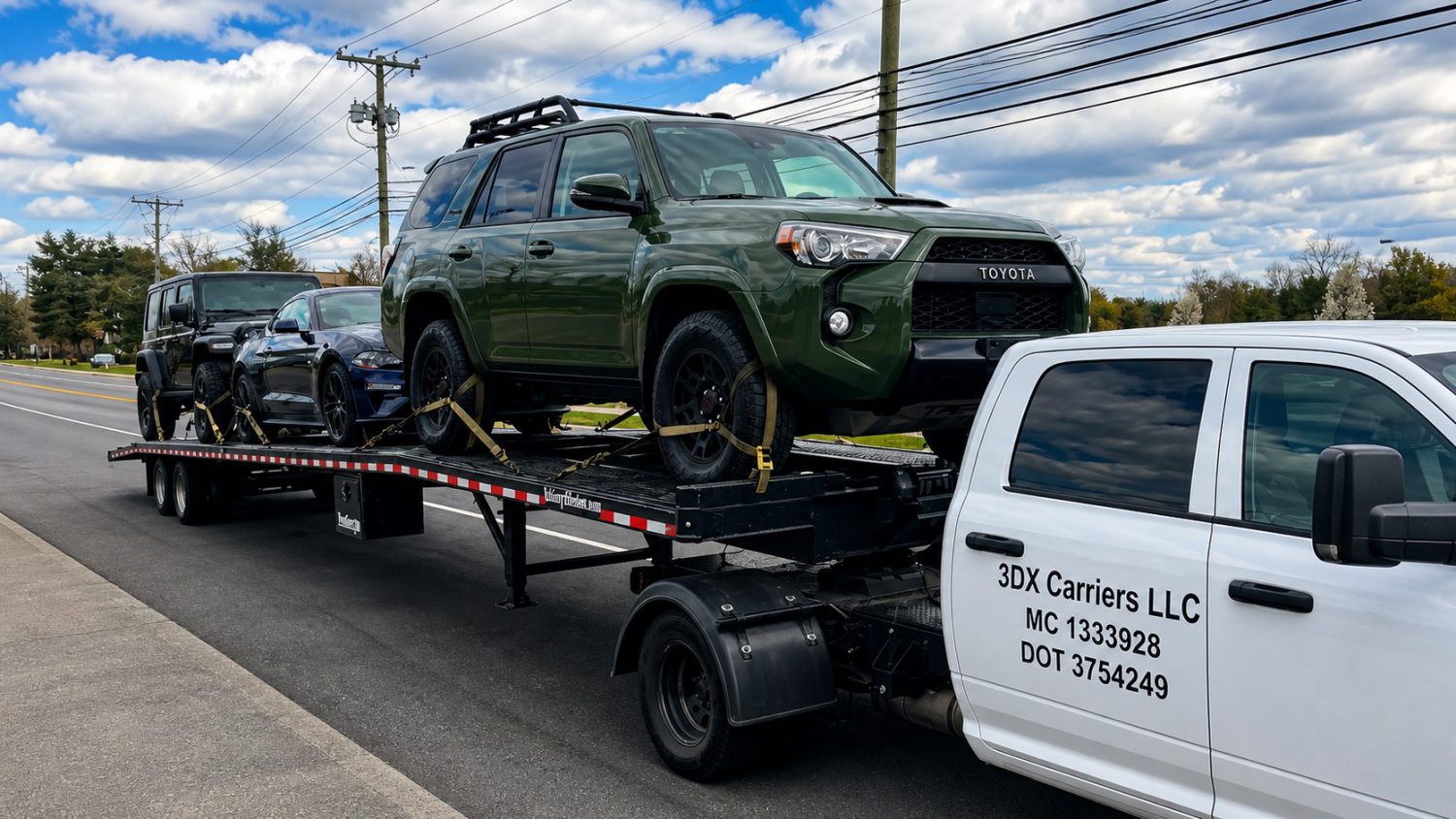
Once the wire cleared, scammers deepened the fiction with a spoofed GPS tracking portal showing the 4Runner crossing state lines. They also sent a photo of the vehicle on a transport trailer bearing “3DX Carriers LLC” decals and real-looking MC and DOT numbers.
DOT records later showed those numbers belonged to a different entity entirely: V&S Group, linked to fraudulent addresses including one in Wyoming. Meta’s own Page Transparency data revealed the fake dealer’s account was managed from Moldova, routed through a Tennessee-registered shell company, with calls coming through a VoIP switchboard and the delivery driver’s voice computer-altered.
Why Facebook Marketplace Is Fertile Ground
Paid promotion and a platform gap between discovery and payment keep these scams alive.
Scammers pay to boost fraudulent Marketplace listings, which makes fake dealers appear established and surfaces them to exactly the buyers searching for vehicles in that price range.
Meta’s safety guidance advises users to keep transactions on-platform, but clone-dealer scams look entirely legitimate at the discovery stage before steering buyers to off-platform payment flows and spoofed tracking portals. That gap is where the fraud operates.
Governments and activist groups are pressuring Meta to improve AI-generated content detection, but enforcement tools reportedly lag behind the speed at which fraudsters deploy generative imagery and synthetic identities. Fraudsters also cloned Route 80 Motors in North Branford, Connecticut, listing a 1966 Ford Mustang against an AI-generated showroom backdrop reused across multiple fake dealer identities, including a purported “South Side Pawn.”
How to Protect Yourself
The safeguards that actually work require stepping outside the platform entirely.
Search the dealer’s name alongside “scam” and “complaint,” confirm the physical address through Google Maps and the Better Business Bureau, and, as Lomax advises, “call them directly using a number you find independently, not the number on a suspicious listing.”
Never treat a valid VIN or lender approval as confirmation the car exists. Scammers routinely reuse VINs from legitimate listings, and lenders have not yet calibrated their verification processes for AI clone-dealer risks.
Avoid wire transfers, Zelle, Cash App, and “friends and family” PayPal for any vehicle deposit. Keep screenshots of every listing, message, and document. Matthews escaped the $36,240 loss only because thorough documentation let him invoke the FTC Holder Rule. That rule allows consumers to assert claims against the creditor; his lender ultimately waived the loan.
If a detail-oriented professional with a Tier-1 lender vetting the deal can be completely fooled, a casual buyer scrolling Facebook Marketplace on a lunch break has thinner defenses than they probably realize. Before browsing for your next vehicle, treat every online dealer listing as unverified until independent research confirms otherwise.