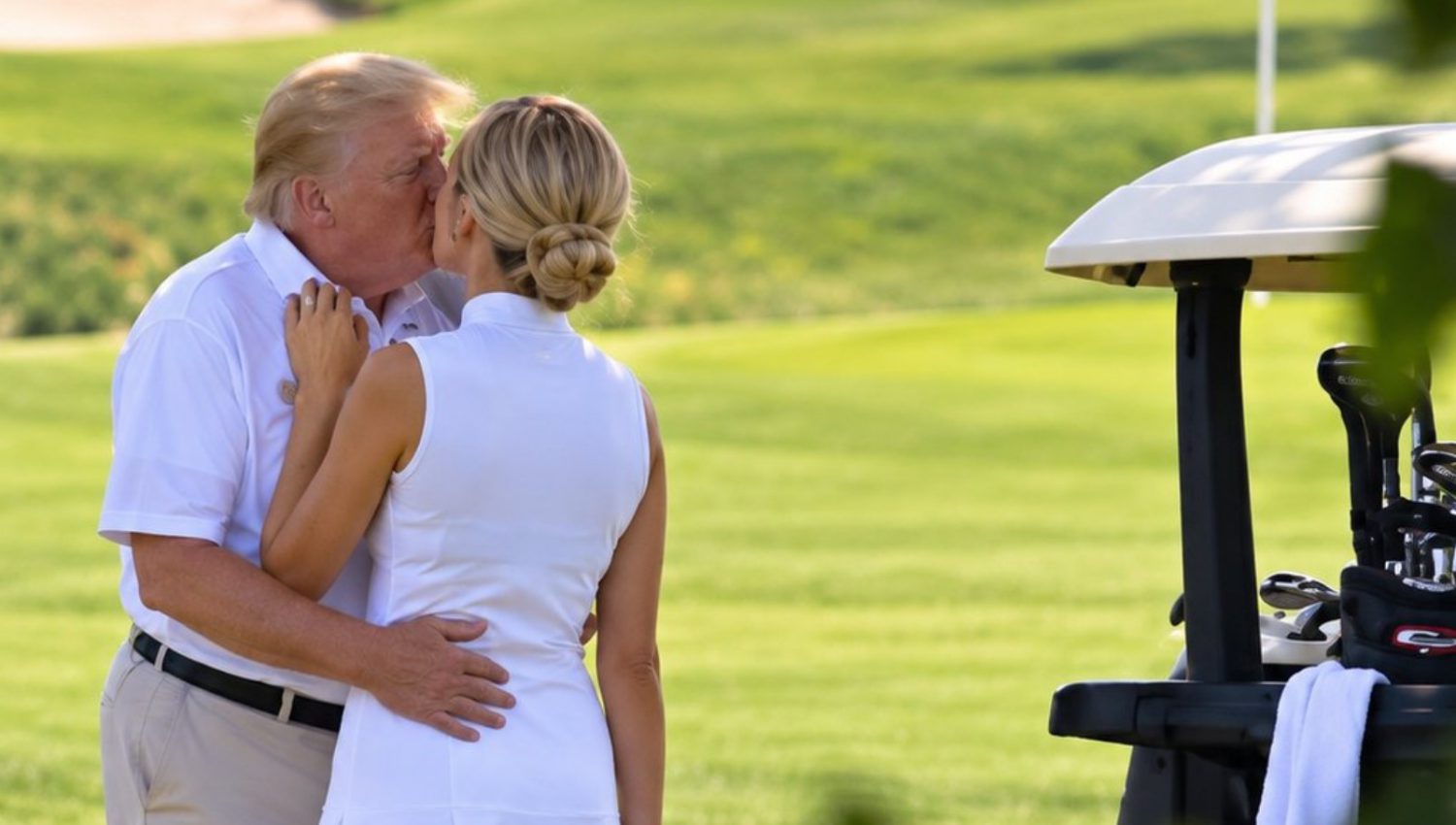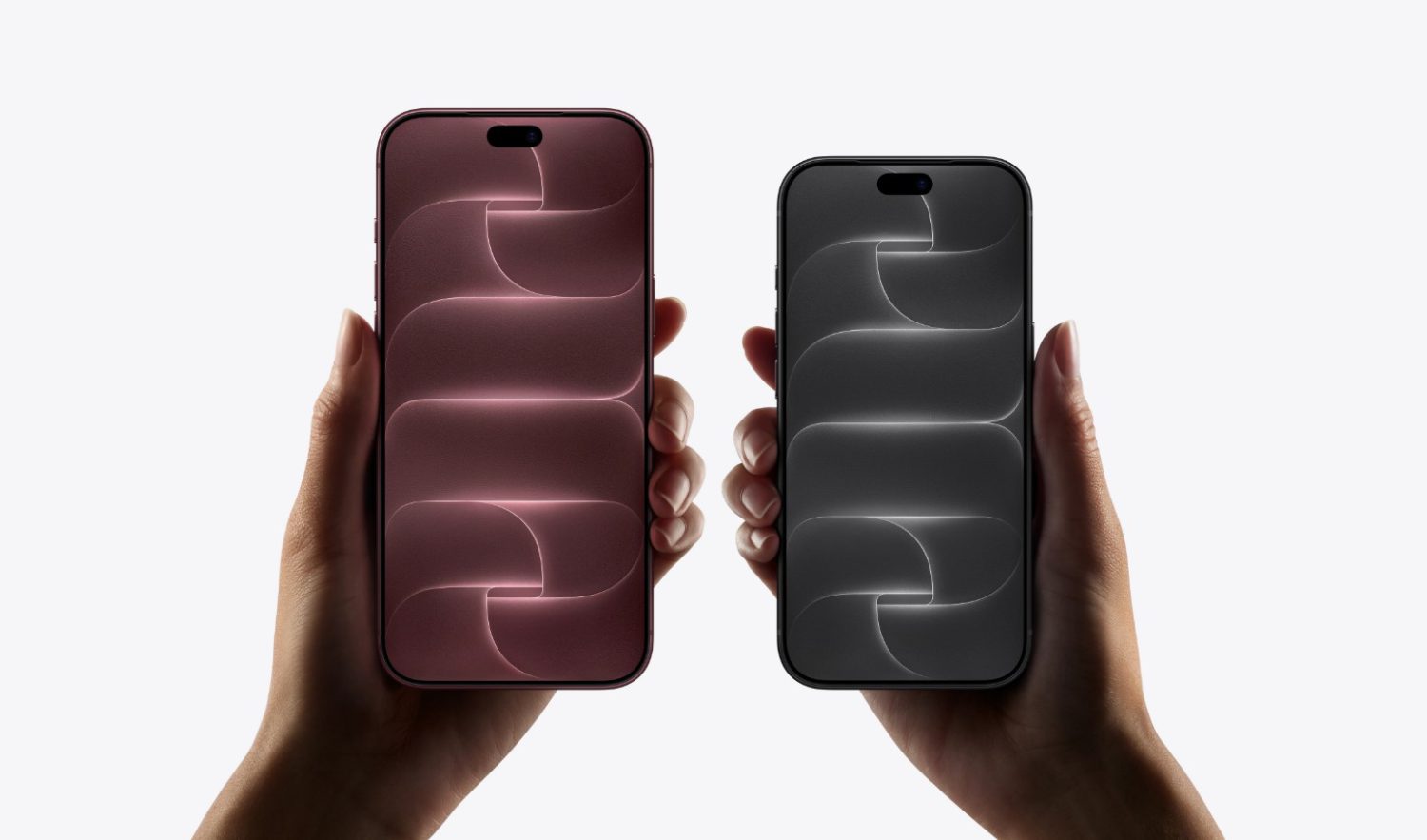
Photorealistic AI has made a photo’s appearance almost meaningless as proof. A convincing image of an event that never happened now takes minutes to generate, the visual equivalent of a spam call that sounds exactly like your bank.
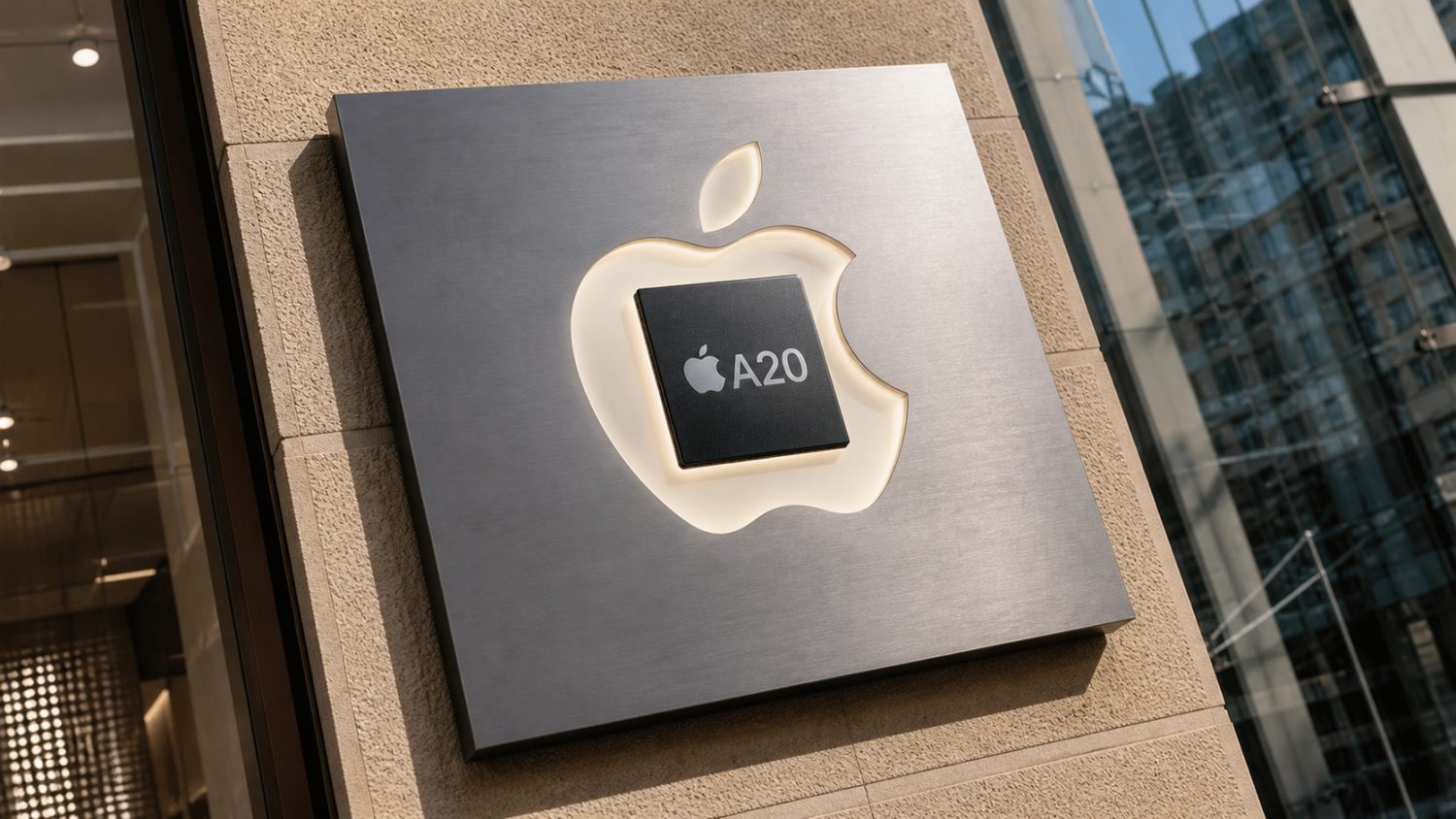
Apple’s answer is Reference Image, an opt-in camera mode exclusive to the main sensor on iPhone 18 Pro and iPhone 18 Pro Max. It creates a cryptographically signed, tamper-evident record of what the camera actually captured, and it does so without exposing who took the photo. Questions about how iCloud left sensitive data vulnerable offer useful context for evaluating Apple’s cryptographic trust claims.
How Reference Image Works
Enable it through Settings → Camera → Reference Image, then swipe to Reference mode in the Camera app. At the moment of capture, the sensor signs the raw pixel data immediately, before the operating system can access it.
That signed data, along with exposure metadata and secure timestamp bounds, is stored as a DNG-format secure digital negative on your device. The timestamp system uses a heartbeat token issued roughly every 15 minutes as a lower bound, then requests a second token after capture as the upper bound. Together, they cryptographically bracket when the photo was taken.
When you choose to develop the digital negative, it travels to Apple’s Private Cloud Compute environment. PCC verifies the sensor and Secure Enclave signatures, both bound to each other at the factory through a three-CA chain. It then processes the image using demosaicing and tone mapping.
The resulting JPEG receives a composite post-quantum signature using hybrid MLDSA87-RSA-3072-PSS-SHA512. That standard is designed to hold up across decades of scrutiny, the way a sealed court exhibit survives advances in computing power. The signed reference image returns to your device and appears in a dedicated Reference album under Collections → Media Types → Reference in Photos.
After development, the original digital negative moves to the deleted photos folder and purges automatically after 30 days.
Privacy, Limits, and What It Cannot Prove
No outside observer can link your reference images to your device, and the system requires no public photographer identity. PCC’s architecture prevents even Apple personnel from accessing image contents; timestamp requests travel via Oblivious HTTP, and revocation checks run on-device against locally fetched lists.
The revocation system works through a confidence score PCC computes at development time, assessing whether the image carries the physical characteristics expected from Apple’s sensors. If a sensor’s profile suggests compromise, Apple can revoke it entirely, after which PCC stops signing images from that sensor.
The feature covers the main camera only; ultrawide and telephoto shots fall outside its scope. Readers comparing verification use cases may find a broader look at the best cameras helpful. More significantly, external provenance analysts at truescreen.io note that a cryptographically authenticated photo still cannot confirm who the photographer was, whether a scene was staged, or whether a caption accurately describes what is depicted.
Cryptographic integrity and scene-level truth are not the same thing.
Reference Image arrives as trust in visual media erodes at an accelerating rate. Broader concerns about apps secretly tracking users underscore how deeply digital trust has eroded across the technology landscape. For newsrooms, courts, and platforms working out how to treat smartphone photography as evidence, it offers something concrete: proof that a specific sensor captured a specific image within a verifiable time window, unaltered. What happens beyond the sensor’s field of view remains, as always, a question for editors and investigators.