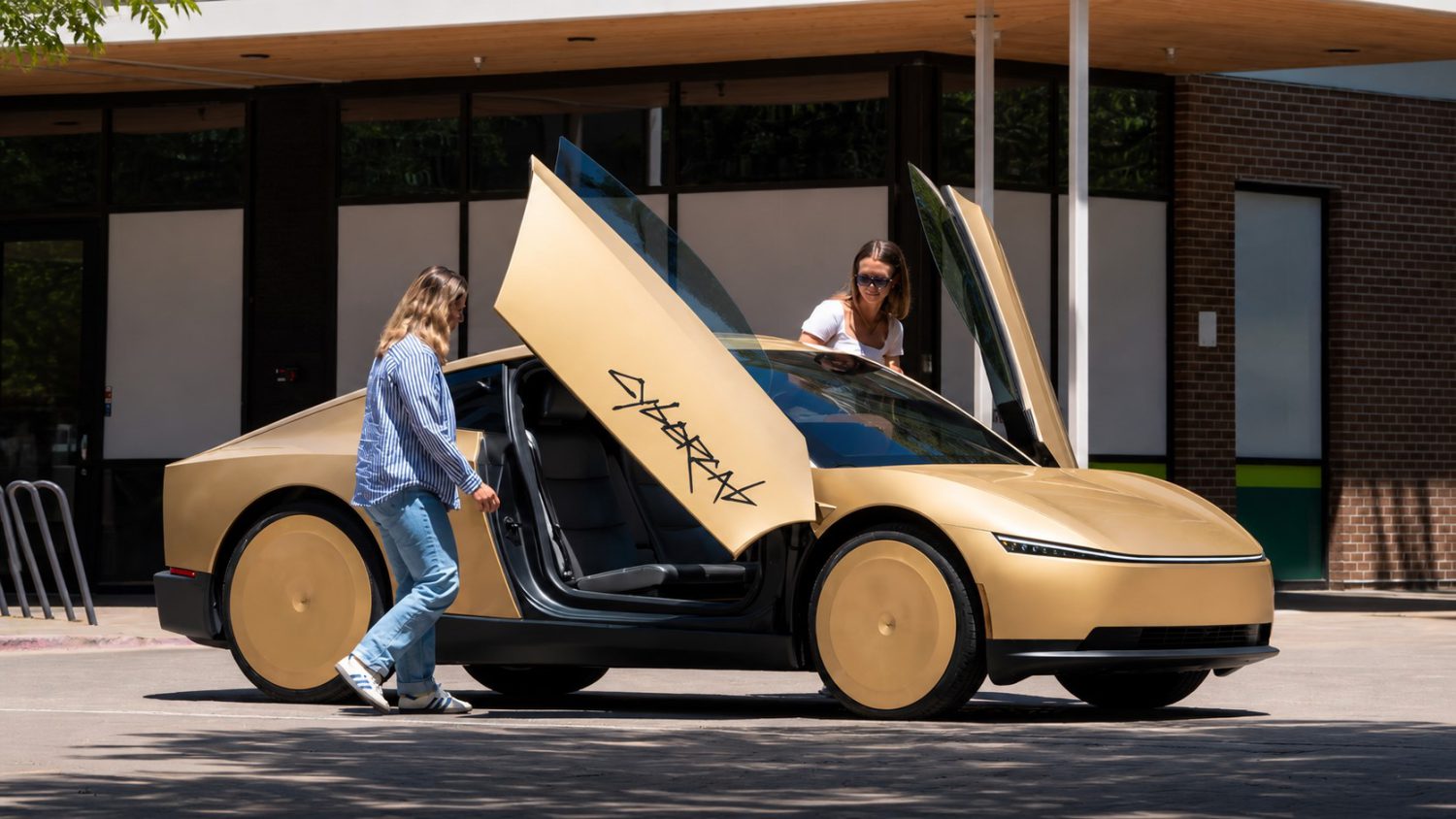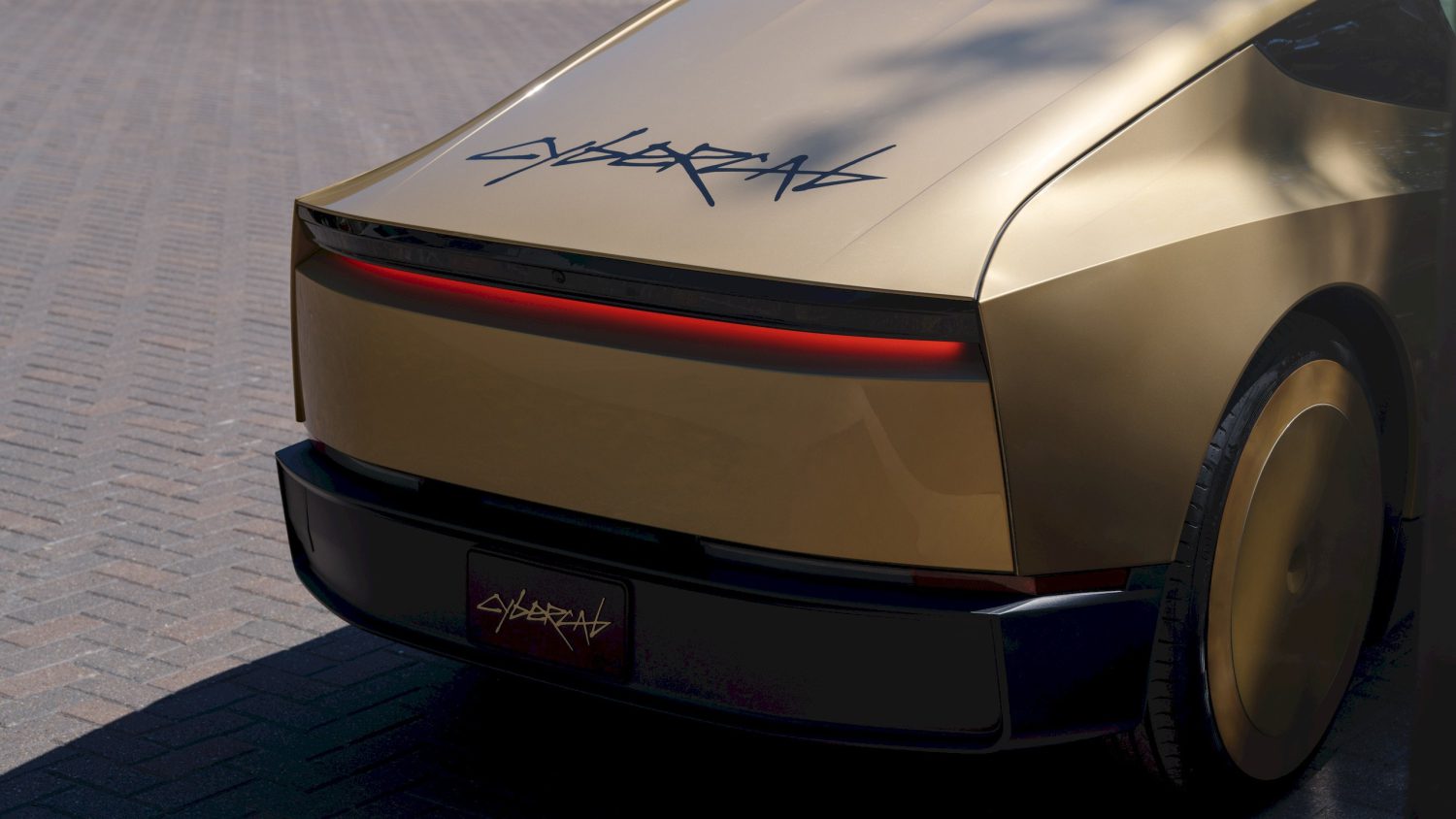
Book a Cybercab from 99 Ranch Market to The Domain in north Austin, and you might expect a quick, 10-minute hop. One rider got something else entirely: miles in the wrong direction, a sweeping loop through East Austin, and a 70-minute “tour” that cost around $20, according to an Electrek report corroborated by a Reddit post from the rider on September 13, 2026.
This wasn’t a one-off software hiccup. It’s the predictable output of deliberate routing constraints baked into Tesla’s Austin robotaxi operation, constraints shaped in part by an active federal safety investigation.
Why the Routes Make No Sense
Two overlapping restrictions turn short Austin trips into circuitous surface-street marathons.
Tesla’s Austin Cybercabs reportedly do not use highways, including MoPac and US-183, forcing every trip onto surface streets. On top of that, the cars appear to avoid at-grade railroad crossings, according to reporting from Electrek and observations from local Tesla owners’ groups.
Overlay both restrictions onto Austin’s rail-crossed grid, and the routing algorithm has to thread an increasingly narrow maze of approved segments. What looks irrational from the back seat is the car doing exactly what it was told.
The railroad avoidance connects directly to regulatory pressure. NHTSA opened an investigation into 2.8 to 2.9 million Tesla vehicles running FSD after documented crashes and traffic-law violations and railroad crossings, according to reporting by NBC News and The Verge.
Tesla Owners Austin has documented a near-miss at an active crossing with a recent FSD build, advising drivers to stay ready to intervene whenever approaching tracks.
“My Cybercab held me hostage for an hour.” (Reddit user, Austin-area rider, September 13, 2026, as reported by Electrek)
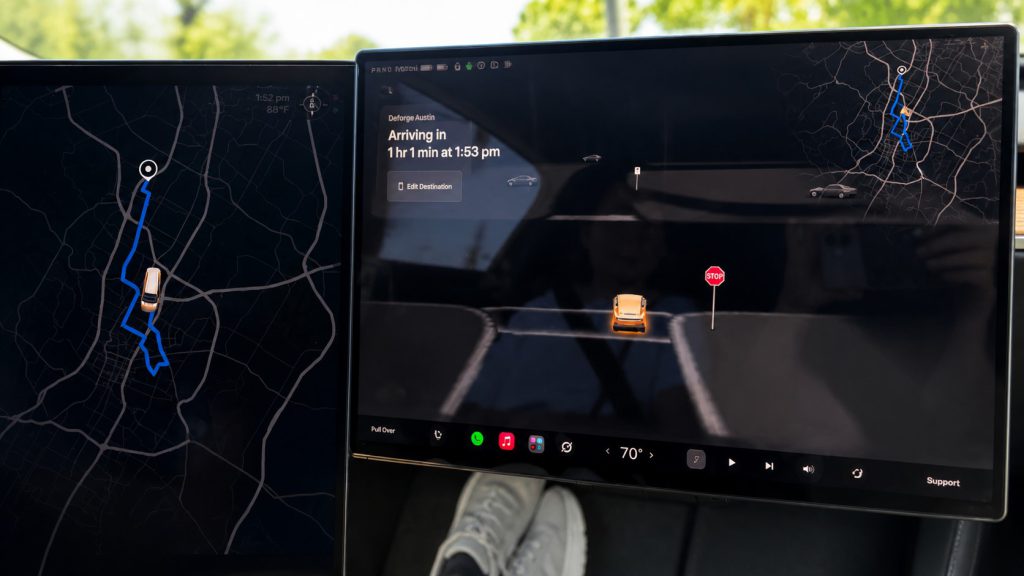
No Time Estimate, No Exit Warning
The app tells you what the trip costs, but not how long it will take to get there.
The Cybercab app shows a fare estimate. It does not show a trip duration. That $20 looked reasonable until the car committed to its extended detour, and by then, the rider was already along for the ride.
Electrek notes that passengers can end a trip at any time and request another mode of transport, so “held hostage” is vivid shorthand, not a literal safety claim. Still, the absence of any time estimate before booking is a genuine usability failure for a service pitched as frictionless urban transport.
Tesla’s Austin Cybercabs operate squarely inside a geofenced area, with routing rules that exclude highways and apparent railroad crossings. The gap between that 2019 standard and the current product is not subtle.
What the Competition Is Doing
Waymo’s Austin footprint is smaller, but its routes are more direct.
Waymo’s Austin operating footprint is smaller than Tesla’s expanded service area, but within it, Waymo permits highway driving and generally produces more direct routes, according to Electrek. That is the practical benchmark riders are measuring against, regardless of what either company’s press materials say.
Tesla supporters point to the current constraints as prudent guardrails for an early-stage deployment, and that is a reasonable position. Competitors clearing the same bar makes that framing harder to sustain.
What Comes Next
Whether Cybercab becomes a practical transit option depends on resolving the safety issues driving its current limits.
If Tesla resolves its highway and railroad-crossing behavior to NHTSA’s satisfaction, the routing constraints could loosen and Cybercab might finally deliver the direct, efficient trips it was designed to provide. Until that happens, riders in Austin should expect longer travel times and plan their schedules accordingly.