Shante Polk describes the noise from the plant built across from her family’s Southaven, Mississippi land as “standing near airport runways, but they never take off.” Her once-quiet, wooded property now belongs to the industrial drone, around the clock. If you’re worried about your property rights, learn how power companies can seize your land for projects like this.
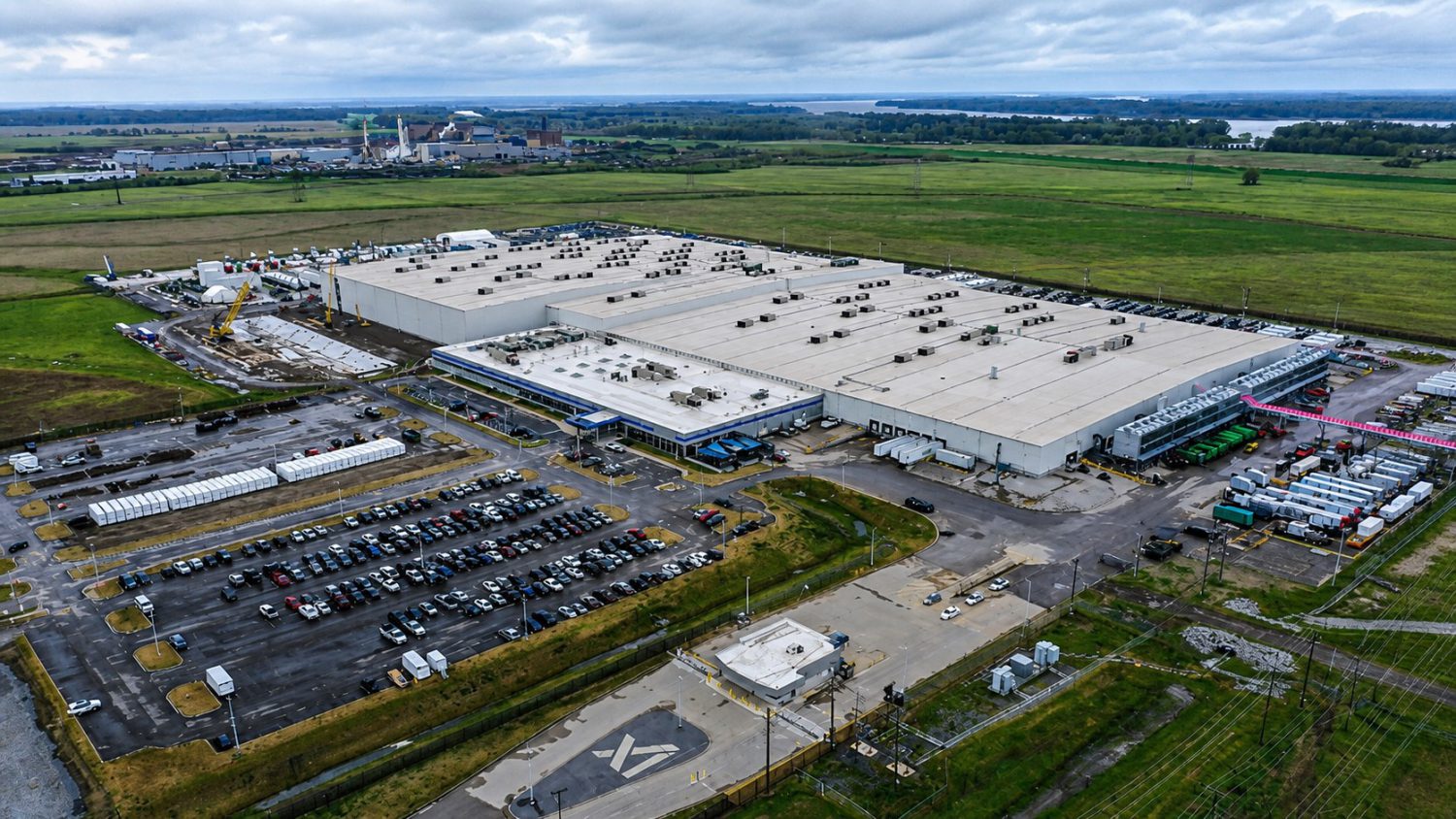
The source of that roar is a natural gas-turbine power plant supplying electricity to SpaceXAI‘s Colossus 1 and Colossus 2 data centers in the Memphis region, which the company describes as among the world’s largest AI supercomputers. Those turbines run continuously, and so does the noise.
The Noise That Never Takes Off
The numbers are not abstract: this is what a vacuum cleaner sounds like, running inside your home, every hour of every day.
Southaven homeowner Jason Haley recorded interior noise levels around 70 decibels inside his home, roughly what a vacuum cleaner sounds like, day and night without pause. “The noise from Colossus II and its gas-burning turbines is like a form of torture,” Haley told CNBC.
Acoustics firm Roland, Woolworth & Associates found the plant’s low-frequency turbine noise runs four to sixteen times louder than a quiet suburban neighborhood, per Yahoo News. That gap is not a rounding error.
Low-frequency sound does not bounce off walls so much as travel through them. A resident in Memphis’s Whitehaven neighborhood, living within a few hundred yards of Colossus 2, told the Memphis Flyer the drone makes it “hard to think clearly and even harder to fall asleep.”
Built Fast, Permitted Later
SpaceXAI prioritized AI computing capacity while grid connections and regulatory approvals were still being worked out.
SpaceXAI deployed dozens of gas turbines to power the Colossus cluster while permanent grid connections and regulatory approvals were still being pursued, according to CNBC.
The NAACP filed a federal lawsuit alleging SpaceXAI operated those turbines without required air permits, per CNBC. The complaint cites releases of nitrogen oxides and PM2.5, fine particles small enough to penetrate deep into the lungs, into nearby communities. The vulnerabilities of AI data centers and their power infrastructure extend beyond noise and emissions.
Rep. Frank Pallone Jr. sent a congressional letter calling the project a “massive health risk,” according to CNBC. Haley and other Southaven residents filed a separate class-action lawsuit accusing SpaceXAI and its subsidiary MZX Tech of creating a public nuisance through near-constant noise and vibrations, seeking damages and injunctive relief.
What Improvement Actually Looks Like
A single sound barrier is not a solution when the noise inside someone’s bedroom registers at 70 decibels.
SpaceXAI, in a July press release cited by CBS News, says it is investing millions of dollars in sound walls and silencers featuring “advanced quieting technologies.” Residents report that one sound wall installed so far has provided little relief, per CBS News.
“Advanced quieting technologies” reads differently measured against 70 decibels inside a family home at 3 a.m. The real fix requires a proper grid connection so mobile gas turbines can be retired, full air permitting with enforceable emissions limits, and community input before the next cluster spins up, not after the lawsuits are filed.
This is not a Memphis-specific problem. WEKU reports the gas-powered xAI model is spreading to other regions. How regulators and courts respond here will shape accountability for AI infrastructure everywhere. The real question is whether the neighbors of the next supercomputer get a seat at the table before the noise starts.