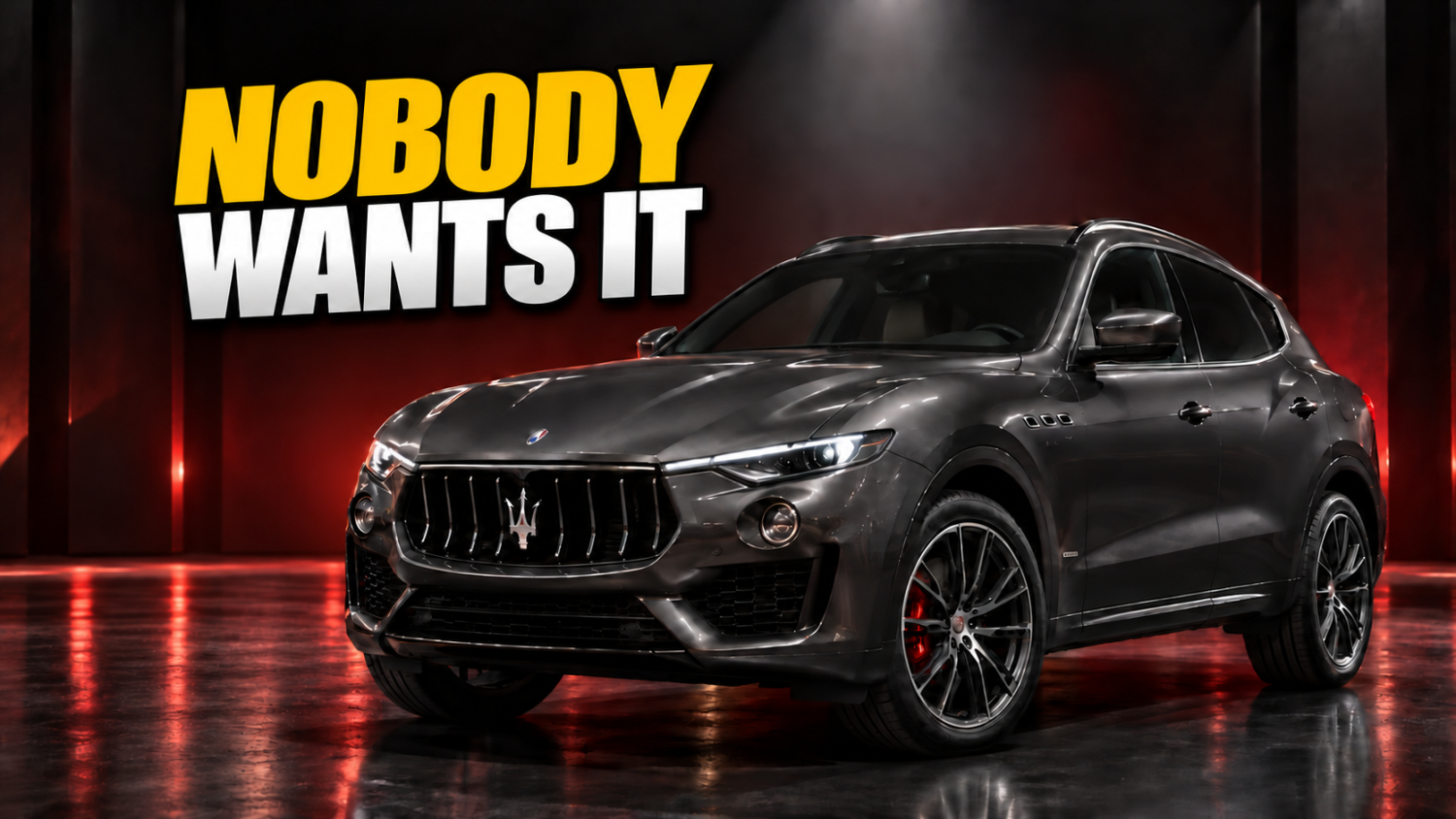
A new luxury car can shed 30% of its value the moment it leaves the lot. The used luxury market rewards sharp instincts and punishes impulse buys. This list reveals ten vehicles that plummeted in price, offering potential bargains alongside hidden traps. Some deliver genuine value once their initial sticker shock fades; others remain financial quicksand even at steep discounts. The difference lies in understanding what drives depreciation and what makes a discounted luxury car worth the risk.
10. Audi Q8 e-tron
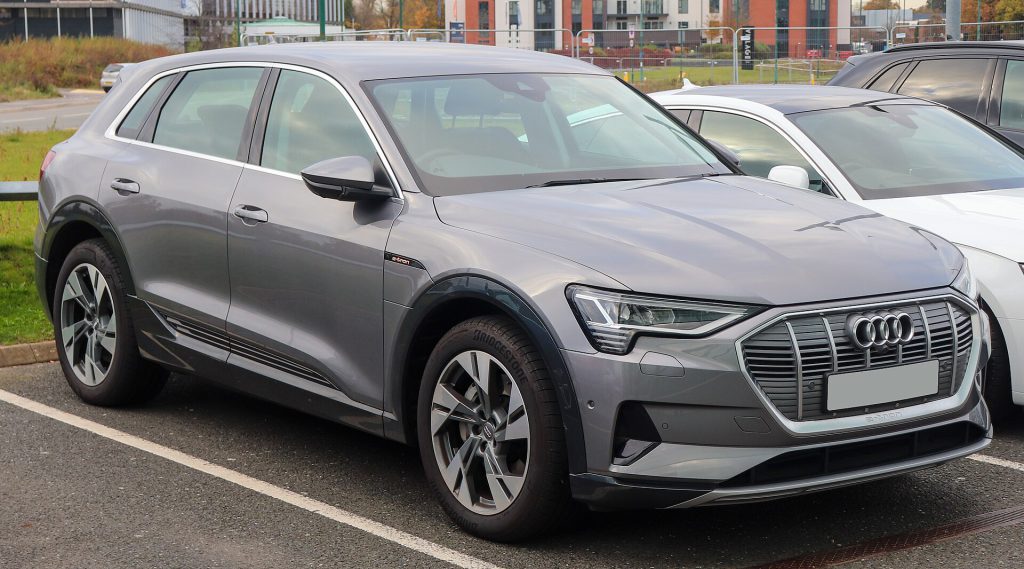
Electric SUVs age faster than the tech inside them.
The Audi Q8 e-tron delivers solid engineering with 300 kW (408 hp) from dual electric motors and a 106 kWh usable battery offering WLTP range up to 582 km (roughly 360 miles). Its 170 kW DC fast charging capability, while functional, trails newer EVs that push 250 kW or higher. Battery tech evolves quickly; what feels cutting-edge today becomes outdated within two model years.
This swift evolution means a new Q8 e-tron struggles to justify full price. For a used example to make financial sense, it demands a steep discount that offsets its aging fast-charging capability. Always verify the battery warranty; a discounted model with solid coverage offers genuine value where a bargain without protection becomes a gamble.
9. Genesis Electrified G80
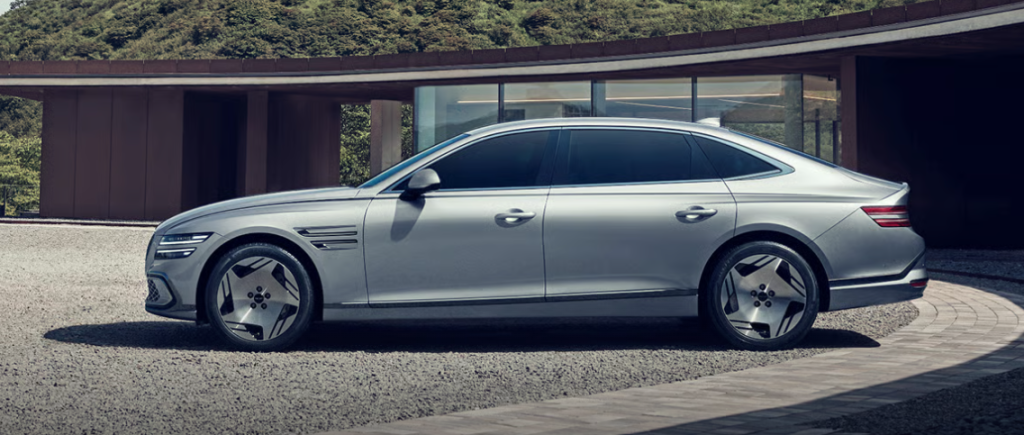
Luxury electric sedans fight an uphill battle against crossover hype.
Dual permanent-magnet synchronous motors deliver 365 hp and 516 lb-ft of torque, providing smooth, silent power. The 87.2 kWh liquid-cooled battery ensures an EPA range of around 282 miles. DC fast charging at roughly 187 kW takes the battery from 10–80% in about 20–25 minutes under ideal conditions.
Despite these impressive specs, the used market undervalues the Electrified G80. Buyers seeking high-end electric vehicles gravitate toward established luxury brands or practical electric crossovers, leaving this elegant sedan overlooked. It drives like a dream and delivers genuine refinement, yet resale value takes a hit. Even phenomenal execution struggles against brand perception.
8. Jaguar F-Pace
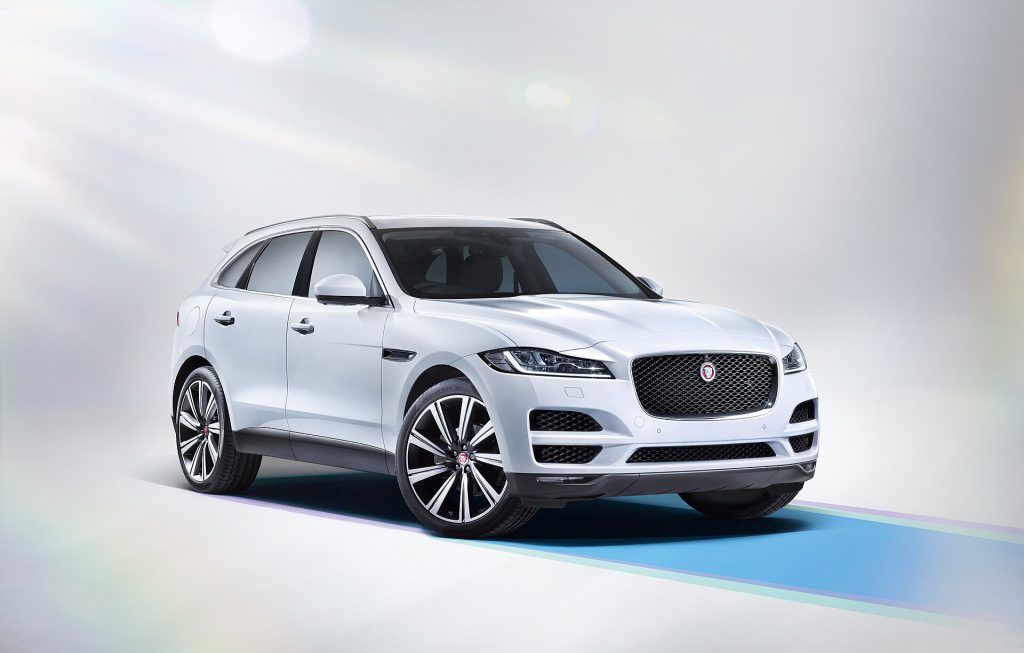
Jaguar’s first SUV offers tempting discounts with a reliability asterisk.
Production ran from 2016 through 2025, spanning multiple powertrains from a 246-hp 2.0-liter turbo four to 5.0-liter supercharged V8 SVR variants up to 575 hp. The standard 8-speed automatic and available all-wheel drive deliver confident handling, with towing capacity up to 5,291 lb. Jaguar’s recent brand repositioning created market confusion that directly impacts F-Pace resale values.
Reliability data present contrasts. UK MOT pass rates hover around 92%, suggesting decent engineering. Yet multiple sources cite below-average reliability, specifically engine and electrical issues backed by numerous recalls. A used F-Pace demands thorough pre-purchase inspection by someone familiar with British electrical systems. Budget for a solid extended warranty to avoid unexpected repair costs that can erase any purchase discount.
7. BMW iX
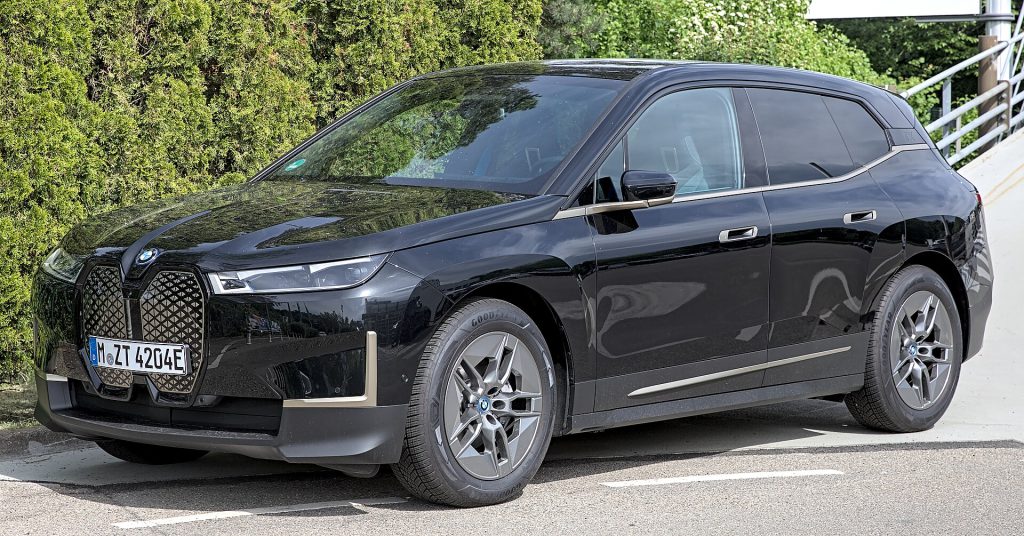
Aggressive leasing flooded the market and tanked early resale values.
The xDrive60 trim pushes 536 hp and 564 lb-ft of torque, delivering an EPA-estimated range between 312 and 340 miles from its roughly 105 kWh usable lithium-ion battery. DC fast charging peaks around 195–200 kW. Cargo capacity reaches approximately 78 cu ft with seats folded, handling everything from groceries to weekend gear.
Depreciation hit early owners hard as BMW iX leasing strategy created high supply of off-lease units. Nearly new models appeared steeply discounted, leaving original buyers underwater. This high supply, combined with its divisive aesthetic, means a used purchase only makes financial sense with substantial discounts. For savvy secondary buyers, that equation finally works.
6. Alfa Romeo Giulia
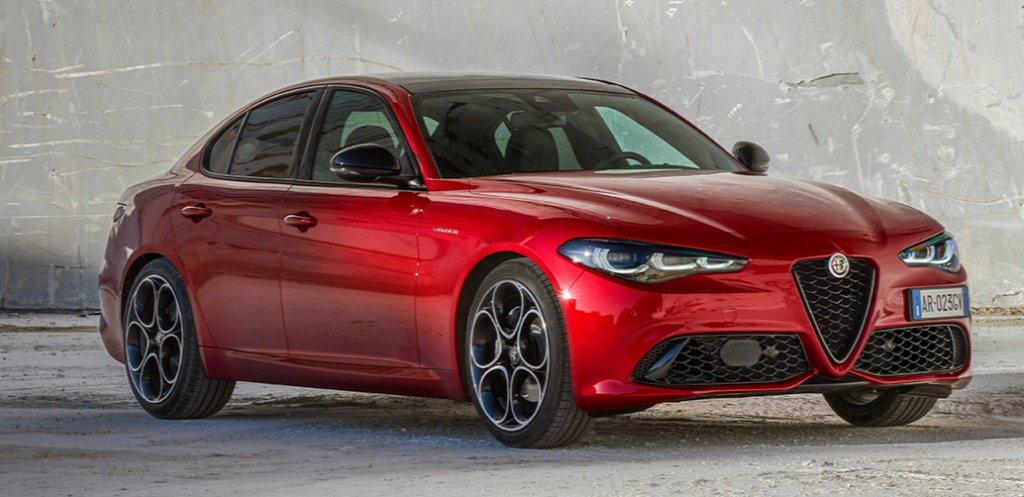
Italian passion meets five-year reliability concerns.
The 2.0-liter turbocharged inline-four delivers 280 hp and 306 lb-ft of torque, carving corners with precision while achieving 26–27 mpg combined. The Quadrifoglio variant escalates to 505 hp and 0–60 mph in approximately 3.8–4.0 seconds. Few sedans offer this level of driving engagement.
The automotive romance faces potential challenges around five years. Electrical issues and timing-chain concerns appear in reliability reports alongside multiple recalls. Owning a Giulia means accepting quirks and budgeting for maintenance. Access to a robust service network matters. The emotional connection it delivers compensates, but only if repair costs don’t outweigh the driving joy.
5. Tesla Model X
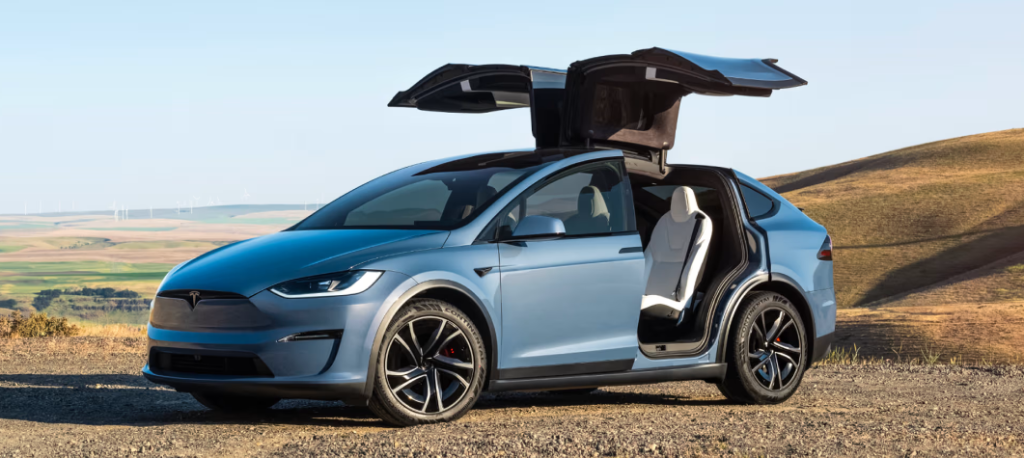
Tesla’s 2023 price cuts recalibrated the entire used EV market.
The Model X starting price dropped from approximately $111,630 to about $99,130 in 2023, directly pressuring used values. The Long Range model delivers roughly 670 hp from two permanent-magnet motors, with its 100 kWh battery providing EPA range up to 352 miles. Signature falcon-wing doors look distinctive but contribute to higher repair and insurance costs.
Towing capacity reaches 5,000 lb with cargo volume exceeding 90 cu ft when seats fold. A used purchase requires weighing these advantages against long-term upkeep realities. Battery health, warranty status, and potential repair costs deserve careful scrutiny. Early adopters absorbed the depreciation hit; secondary buyers benefit from substantially lower entry prices.
4. Tesla Model S
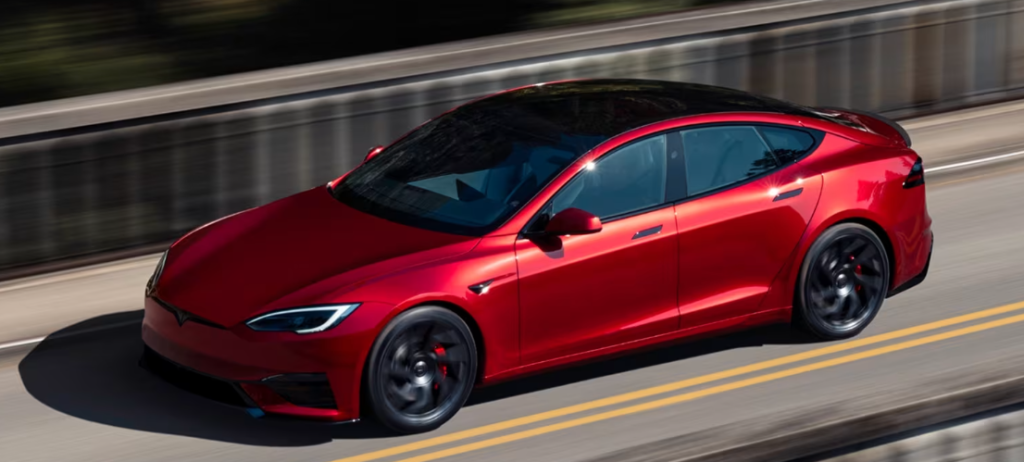
Rapid depreciation reflects new-car price cuts and relentless tech advancement.
A five-year drop around 60–68% of original value ranks among the steeper depreciation rates for luxury EVs. The AWD variant boasts a 100 kWh battery offering EPA range up to 410 miles. The Plaid trim delivers 1,020 hp, launching from 0–60 mph in approximately 2.0–2.1 seconds. Combined interior and cargo volume reaches roughly 120 cu ft, making it a practical powerhouse.
Tesla’s reputation for strong resale value shifted as new-car prices dropped and EV technology advanced rapidly. Meticulously check battery health, remaining warranty coverage, and potential repair costs. The era of guaranteed strong Tesla resale has ended. Secondary market buyers gain access to impressive performance at substantially reduced prices, provided they understand the maintenance landscape.
3. Land Rover Range Rover
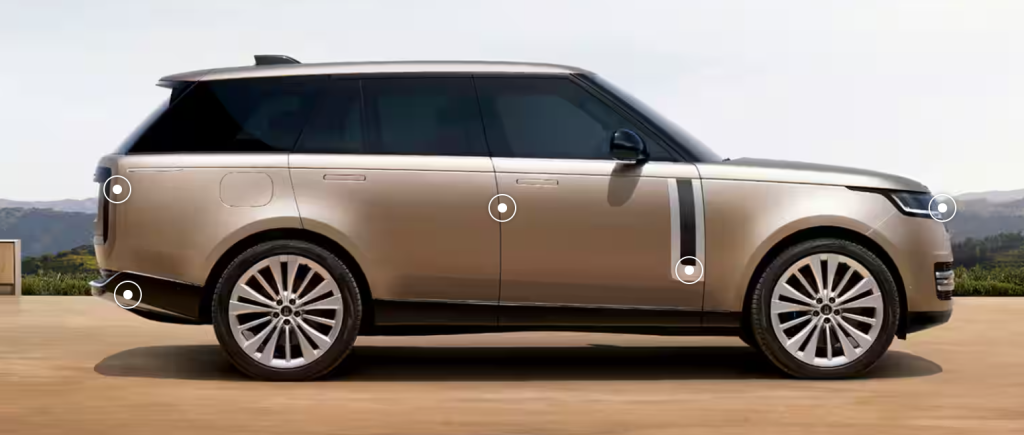
Flagship prestige comes with post-warranty repair realities.
Currently in its fifth generation (L460), the Range Rover commands undeniable luxury with standard air suspension and permanent all-wheel drive. The plug-in hybrid powertrain delivers around 542 hp and 800 Nm of torque, combining robust performance with refined comfort. Configurable terrain modes and available long-wheelbase variants with seven seats extend its capability.
Older generations, particularly the L322 and early L405, gained notoriety for air suspension failures and electronic glitches. Annual repair costs often average $1,200+ per year, with some sources citing Consumer Reports predicted reliability scores around 30/100 for recent Range Rover models. Undeniable luxury demands significant financial commitment. Budget robustly for repairs beyond the warranty period.
2. Maserati Quattroporte
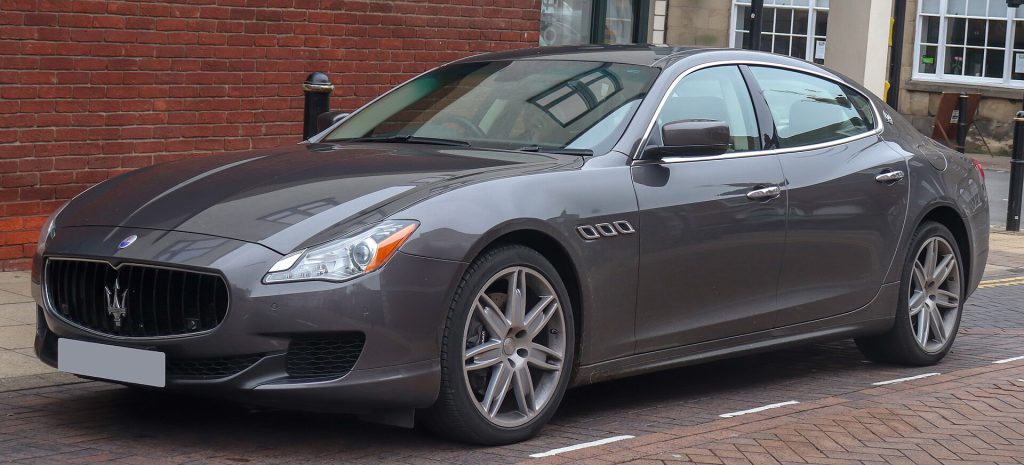
Six-figure sedans become sub-$50k gambles within five years.
The 3.0-liter twin-turbo V6 delivers 424–430 hp and 428 lb-ft of torque through an 8-speed automatic. Italian styling and a generous 124.8-inch wheelbase create substantial presence. Length reaches 207.2 inches (5,262 mm), with trunk capacity around 18–19 cu ft. Higher-performance variants use V8 engines approaching 530–572 hp.
The market assesses long-term value brutally. A steep 64.4% value loss over five years pushes average resale below $50,000 for cars that commanded six figures new. This depreciation reflects significant ongoing service costs and reliability concerns that emerge post-warranty. The initial discount trades one kind of expense for another kind of financial commitment.
1. Maserati Levante
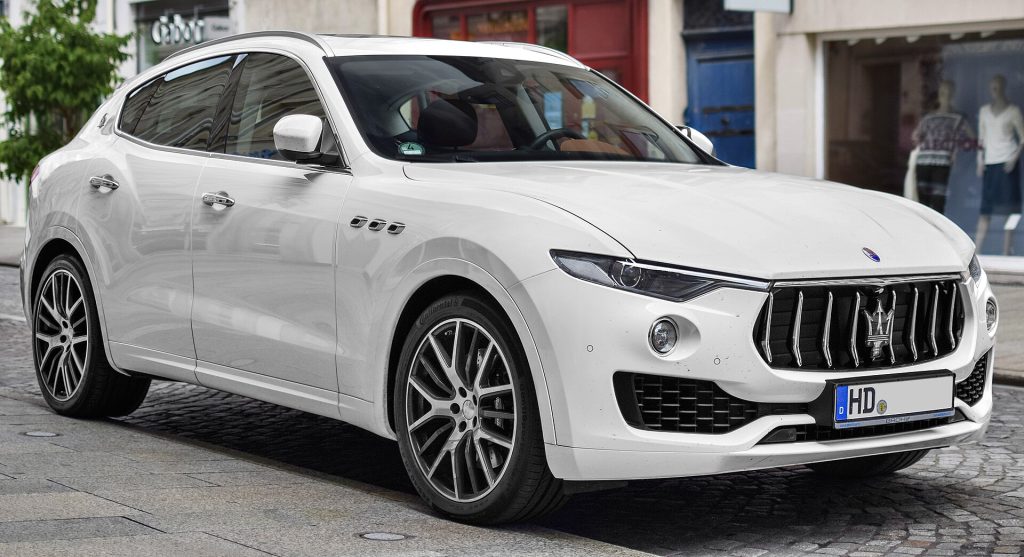
Maserati’s first SUV suffers 63–79% value loss within five years.
The 3.0-liter twin-turbo V6 produces around 345 hp in GT trim, while 3.8-liter twin-turbo V8 Trofeo variants deliver 550–598 hp and 730 Nm of torque. V8 models launch from 0–100 km/h in approximately 3.8–4.2 seconds. The 3,004 mm wheelbase and standard all-wheel drive provide capable handling.
Average five-year resale values fall between $31,000–$37,000 from much higher original MSRPs, according to independent analyses. High maintenance costs, uncertain brand positioning, and limited demand drive this dramatic depreciation. V6 fuel economy sits around 16–18 mpg combined, dropping to 13–16 mpg for V8 variants. Understanding the financial risks matters more than the initial purchase price.