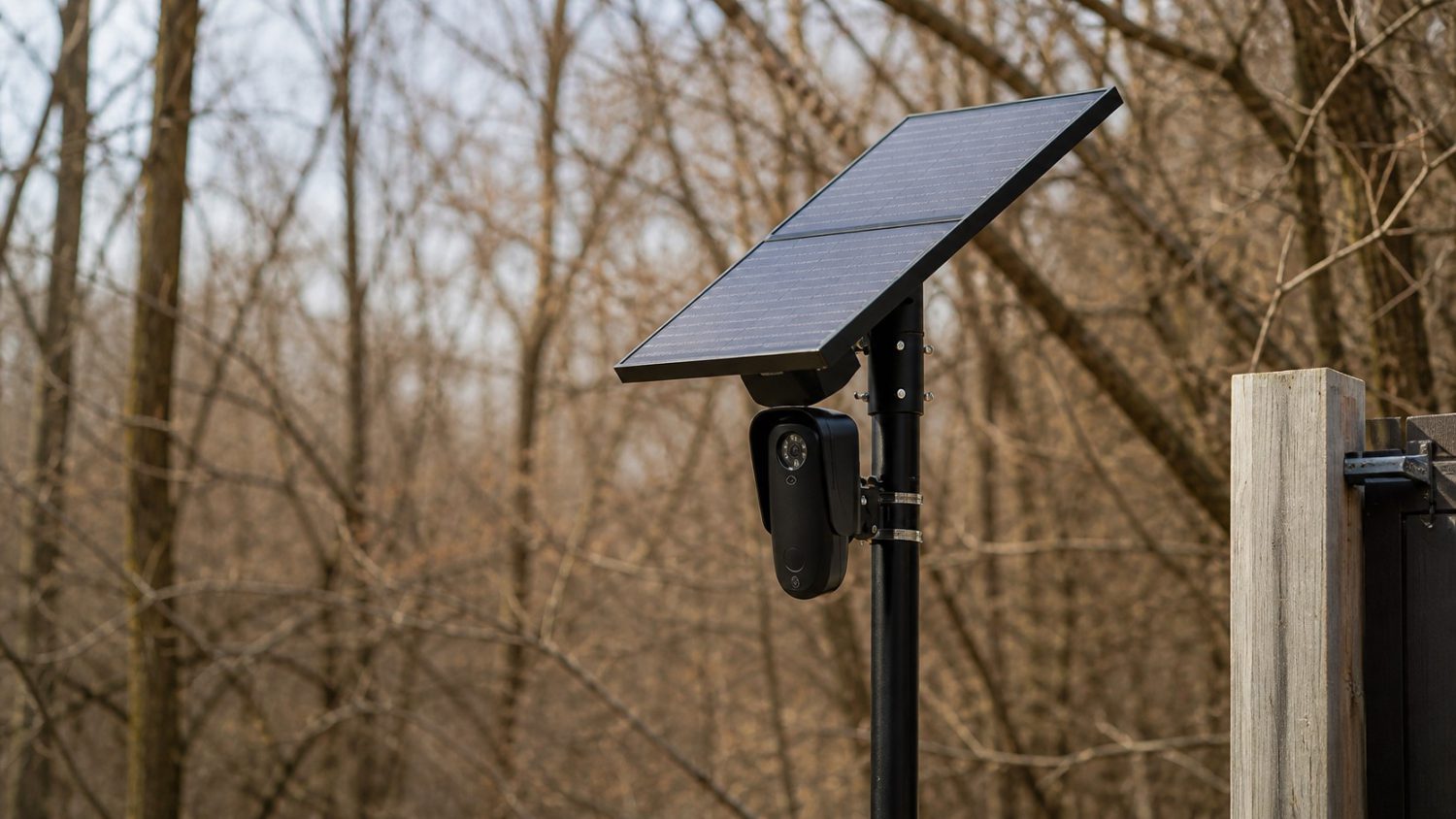
Knox County, Tennessee spent roughly $800,000 building a surveillance app-era license plate reader network. Now it’s paying engineers to physically blind the cameras it bought. That’s not irony — that’s what happens when a surveillance vendor misses a government removal deadline and a mayor runs out of patience.
When the Deadline Passed, the Covers Went On
A missed removal deadline turned into a crash course in low-tech civil liberties enforcement.
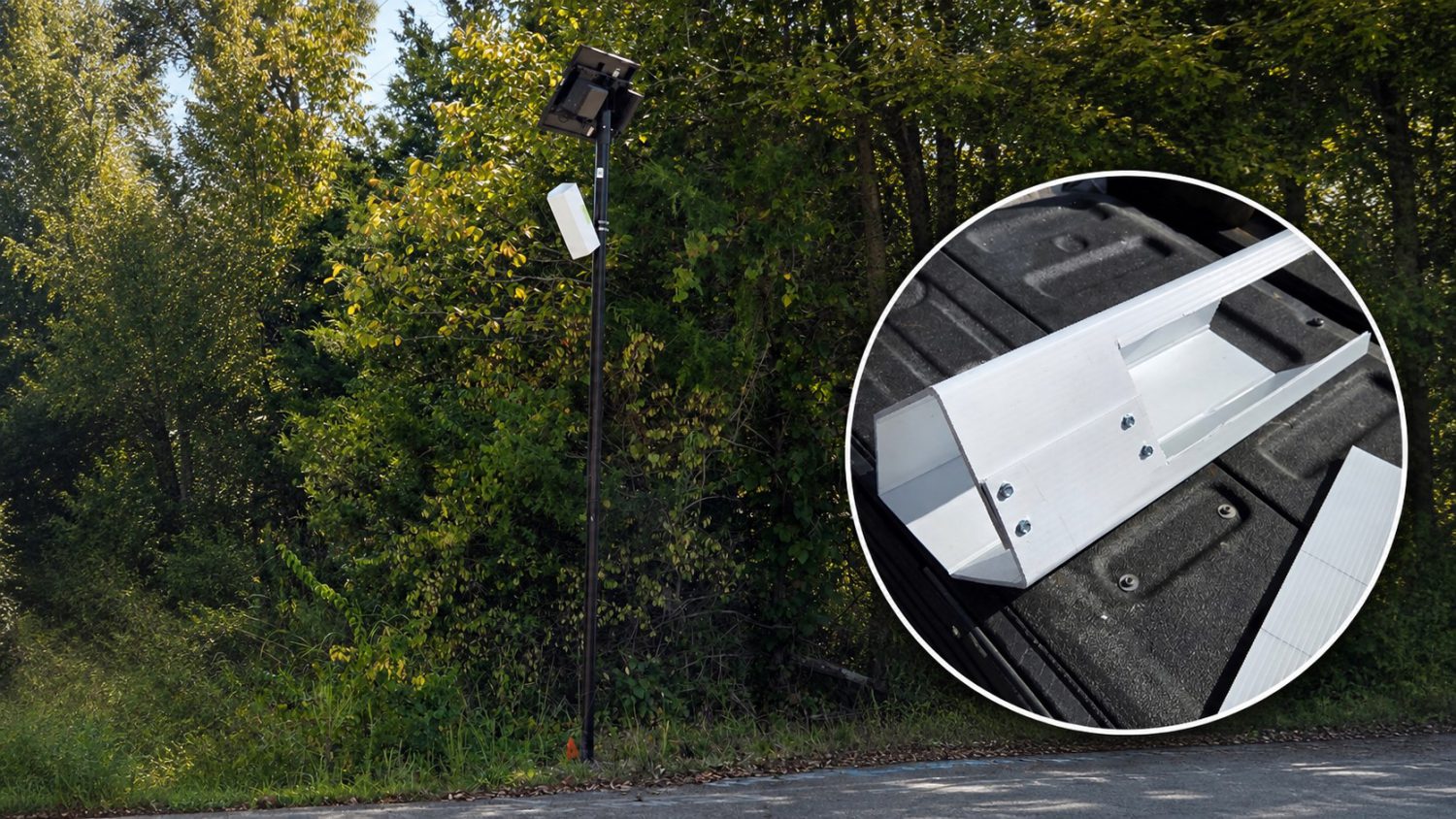
The Knox County Commission voted unanimously on August 31, 2026 to ban fixed automated license plate readers (ALPRs) — cameras that scan and log passing vehicles’ plates into law enforcement cloud databases — and ordered Flock Safety to remove its entire network by September 16. Flock said it couldn’t meet that date and pushed removal to October 7. Mayor Betsy Henderson’s response was blunt and surprisingly low-tech: county engineers designed physical “privacy shields,” essentially custom lens covers, and crews began installing privacy shields on all mounted cameras.
“Don’t worry,” Henderson stated publicly, “we found a cost effective way to protect your rights, now.”
The ordinance sets clear requirements:
- The Knox County Sheriff’s Office spent approximately $800,000 on Flock cameras since 2020 without prior commission approval.
- The network covered roughly 143–147 fixed cameras across county rights-of-way.
- All associated data must be destroyed within 30 days, except records tied to active criminal investigations.
- Future fixed ALPR purchases are banned, though mobile units on sheriff’s vehicles remain permitted under strict guidelines.
- A $2.6 million maintenance request for the system was anticipated but never formally approved.
How $800,000 Slipped Past Commission Review
The procurement trail reveals a pattern that made commissioners more than uncomfortable.
Purchases reportedly came in just under the county’s $25,000 review threshold — repeatedly — bypassing formal oversight. Former Mayor Glenn Jacobs questioned whether a valid Flock contract even existed. A privacy policy for the cameras was still in draft form as of early 2026 — much like the federal government’s habit of secretly tracking users without clear accountability. That’s the surveillance equivalent of installing a security system before buying the house.
A local lawyer described the camera program as a “huge violation of our basic rights to privacy, our civil liberties, and the Fourth Amendment.” Law enforcement’s counterargument has real merit — ALPRs locate stolen vehicles and accelerate investigations, and KCSO used the network for exactly that. The problem was never the technology alone. It was deploying it at scale, without oversight, accountability, or a finished privacy policy.
Knox County is part of a nationwide wave of communities rethinking Flock problem-era deployments and similar systems, according to WUOT. Full camera removal is expected by October 7. The precedent, though, is already set: when a vendor can’t meet a government deadline, a county can engineer around it — and if your jurisdiction hasn’t asked what its own surveillance network is collecting, or who approved it, that’s worth a harder look.