Remember your last parent-teacher conference? Your doctor rattling off medication instructions. A colleague pitching an idea you half-heard over lunch. Apple’s new Audio Intelligence suite — announced September 9, 2026, at the “Surprise and Shine” event — is built for exactly those moments. That utility is precisely what makes it worth scrutinizing.
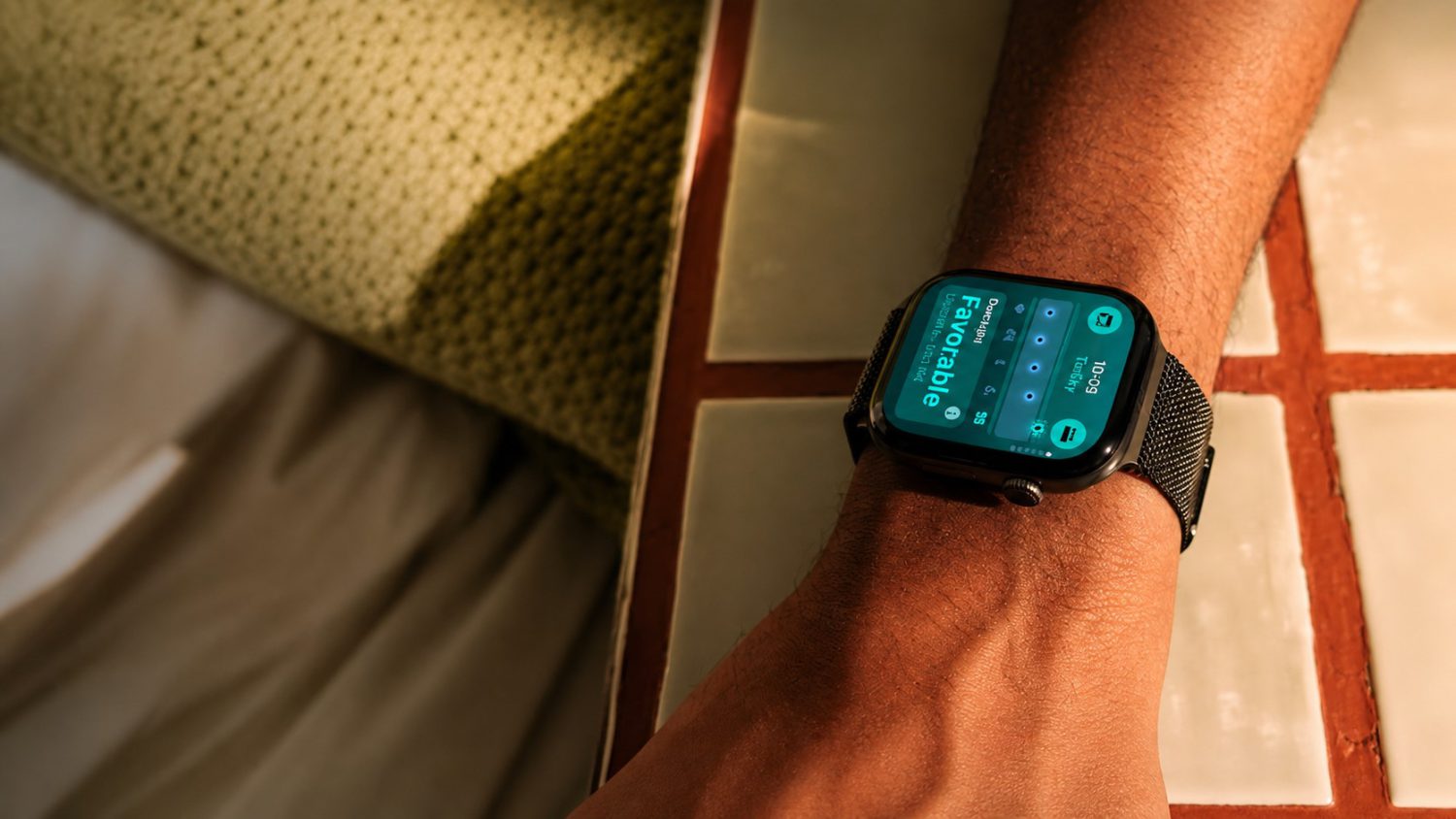
Here’s what ships with the Apple Watch Series 12 and Ultra 4:
- Sound Recognition identifies sirens, alarms, doorbells, and crying babies using on-device AI. It works without your iPhone nearby, and for deaf and hard-of-hearing users, that’s not a minor convenience — it’s arguably life-saving.
- Live Rewind retrieves the last 15 seconds of speech as text via a double-press of the Digital Crown. An audible chime and full-screen microphone animation signal activation. That snippet can be saved directly to the Siri app for later reference.
- Siri Recap uses ambient listening during user-scheduled windows to generate titles, summaries, and key points from conversations throughout your day. It’s off by default, schedulable by time or location, and toggleable via Control Center.
Apple says no raw audio is ever stored, no speakers are identified, and synced content is end-to-end encrypted. Initial audio handling and local transcription happen on-device, though Siri Recap’s summarization involves an encrypted step through Apple’s Private Cloud Compute before results return to your watch. For context on how Apple has handled sensitive data in the past, Apple’s Confidential Files were previously exposed through iCloud in ways that raise ongoing questions about data handling promises.
TechCrunch coverage framed the stakes plainly, suggesting Apple has either found the right balance between utility and privacy — or it’s about to discover significant consumer backlash.
The consent gap is where things get genuinely complicated. Raising your phone to record is a visible social act. A wrist-flick with a chime barely registers across a conference table. Recording laws vary by state and country. AI-generated text summaries occupy murky legal territory — no audio exists, but the words do. That’s a new problem without settled answers.
Apple Didn’t Invent This. Apple Just Made It Everyone’s Problem.
The Apple Watch isn’t the first wearable to listen to your conversations — it’s just the first one that hundreds of millions of people will actually wear.
Devices like the Limitless Pendant, Plaud Note, and Amazon’s Bee already do continuous ambient listening with cloud transcription. They’re niche products with niche audiences, the kind of thing that makes headlines at tech conferences and then disappears into early-adopter pockets. Apple Watch has roughly 100 million users. When Apple ships a feature, it doesn’t quietly enter a category — it redefines what’s normal.
Competitors who built their businesses on ambient recording now face a privacy-branded giant offering the same core capability, more carefully packaged. That pressure cuts both ways: it raises the bar on privacy standards across the industry, but it also mainstreams the behavior itself. Plaud instructs its customers to comply with applicable recording laws. Amazon’s Bee terms of service shift legal compliance responsibility directly onto the wearer. Apple’s approach is more guarded, but the underlying dynamic — a wearable capturing conversational content without obvious signals to bystanders — remains.
Social science research suggests that awareness of potential recording changes how people speak. They self-censor. Conversations get careful. The visible social cue of someone raising a phone has always functioned as a warning shot — a legible moment that said, “this is being captured.” A subtle Crown press with a soft chime doesn’t carry the same weight, especially when the person across from you has no idea what that gesture means.
Apple built real controls into these features. That matters. But controls protect the wearer. The harder question — the one that doesn’t have a privacy paper or a settings menu — is what protects everyone else in the room. Your next job interview, your next medical appointment, your next candid conversation with a friend: the person across from you may already have an answer queued up in their Siri app, much like a secretly tracking users scenario where invisible data capture happens without meaningful consent. They just haven’t told you yet.