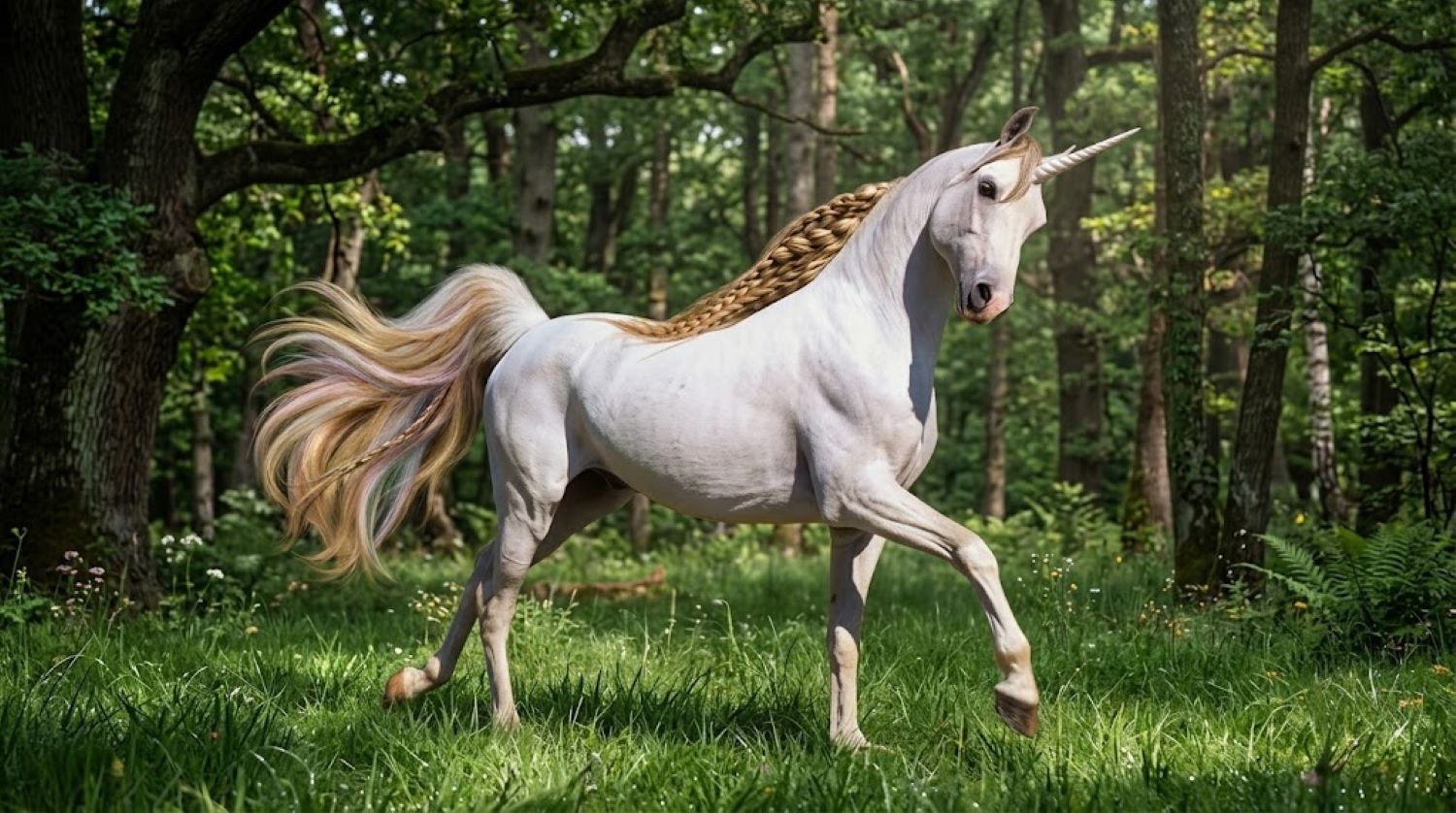
Somewhere in Los Angeles, a startup is inserting a fluorescent protein gene into rabbit embryos so the animals glow under certain light. They’re also eyeing hypoallergenic cats, dogs, and — this is real — “actual unicorns.” California tried to regulate this. It failed.
AB 1382, the Ethics Over Aesthetics Act, authored by Assemblymember Leticia Castillo, would have banned importing or selling transgenic pets with purely cosmetic genetic traits in California. Think novel fur colors, structural additions like horns, or glow-in-the-dark effects engineered for aesthetics, not health. Violations carried a $5,000 civil penalty per animal. The following traits and products remained explicitly legal:
- Health-benefiting edits
- Hypoallergenic traits
- Existing GloFish
The bill passed the Assembly 73–0 and cleared multiple Senate committees — covering species from dogs and cats to reptiles and fish — before dying August 13, 2026, held under submission in Senate Appropriations.
The Startup Making It Real
Unlike many biotech promises, The Los Angeles Project has moved well past the concept stage.
CRISPR-edited rabbits, frogs, and hamsters are already in development, with hypoallergenic companion animals and structurally altered horses on the roadmap. The startup uses green fluorescent protein (GFP) — originally derived from jellyfish — inserted into animal embryos via CRISPR to make them glow. Castillo’s own fact sheet names companies using “RNA-encoded multiplex integration (REMI) technologies” to pursue everything from glowing rabbits to unicorn-like horses, framing these as highly experimental processes that can endanger animal welfare when used purely for consumer novelty. Think of it as Pokémon going biotech — except these creatures have nervous systems and no respawn button.
“Animals should never be changed simply to create a product that is more unusual or more profitable.” — Assemblymember Leticia Castillo
Why a 73–0 Bill Still Died
Near-universal legislative support wasn’t enough to survive a fiscal reckoning.
The Senate Appropriations Committee flagged “unknown, potentially significant” court costs, noting that civil litigation under the bill could push trial court expenses into the hundreds of thousands of dollars. The Pet Advocacy Network argued the bill regulated aesthetics rather than evidence-based harm — setting a troubling precedent for banning “regulated products based on aesthetics rather than evidence.” Critics also noted the bill targeted a technique rather than specific harms, raising concerns it could inadvertently sweep in beneficial technologies.
“I’m disappointed AB 1382 did not move forward, but I am not done fighting for these animals. The technology that makes ‘designer pets’ possible isn’t going away, and neither am I.” — Assemblymember Castillo
What Happens Next
With no prohibition in place, California’s designer-pet regulatory gap is wide open.
No state-level ban exists right now. Startups can continue R&D under frameworks built for a world before CRISPR was affordable and accessible to small teams. California banned GloFish once, then carved out exemptions — regulation here tends to arrive late, then move fast once it does. Castillo has signaled she will reintroduce legislation as the technology advances.
The real question isn’t whether a glowing rabbit is cute. It’s who decides when genetic engineering becomes animal commodification — and whether that decision arrives before or after the product hits the shelf.