Your car’s owner manual contains hidden shortcuts many drivers ignore, leading to unnecessary expenses and daily frustrations. These clever car tricks and maintenance hacks promise to save you hundreds of dollars and smooth out your daily commute. The following practical, cost-effective solutions cut through the usual auto jargon, so you won’t need a master’s degree in automotive engineering to keep your ride running smoothly and your wallet happy.
16. TPMS Reset / Tire Pressure Warning Light
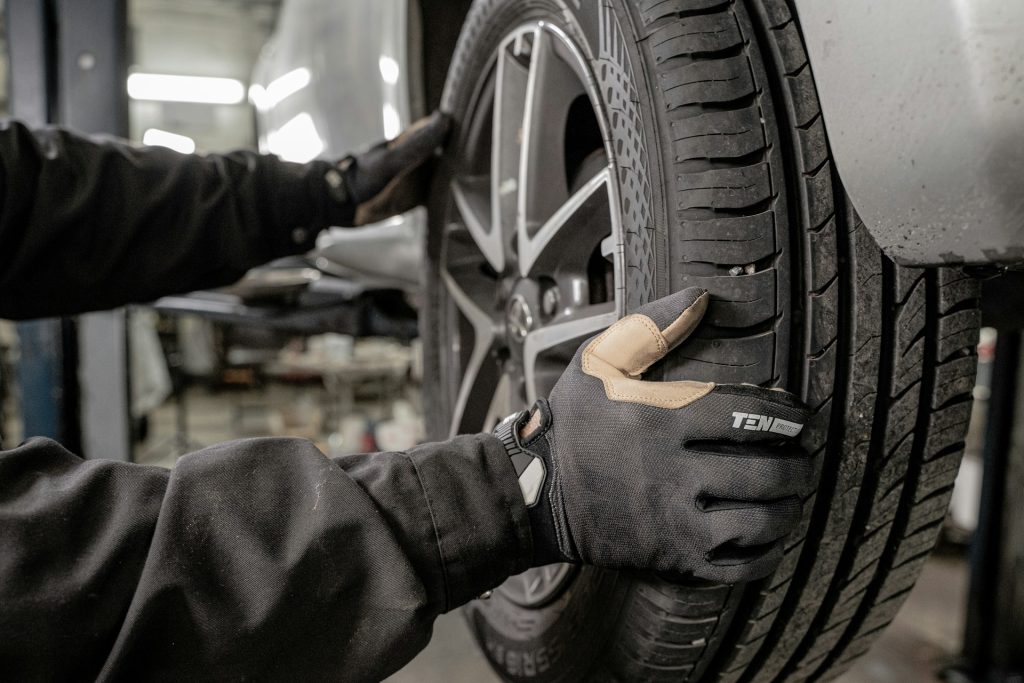
Your TPMS light doesn’t always mean your tires are low; sometimes it just needs a reset.
Many vehicles require the tire pressure monitoring system to be reset or recalibrated after inflating tires to the correct pressure. You might still see that annoying dashboard light flickering even after topping off your tires. Owner manuals often specify resetting only after tires are set to the recommended pressure on the door-jamb certification label.
The solution usually involves locating a specific reset button, often found under the steering wheel, on the dashboard, or inside the glove box. This button is typically labeled “TPM set” or displays a tire icon. Reset procedures vary by vehicle; some use an in-dash menu or require specific ignition cycles. Ford’s owner information shows a reset procedure that can involve menu navigation and holding a button until confirmation appears. This reset recalibrates the system, clearing the warning light and potentially saving you a mechanic fee.
15. Black Exterior Plastic Trim Restoration
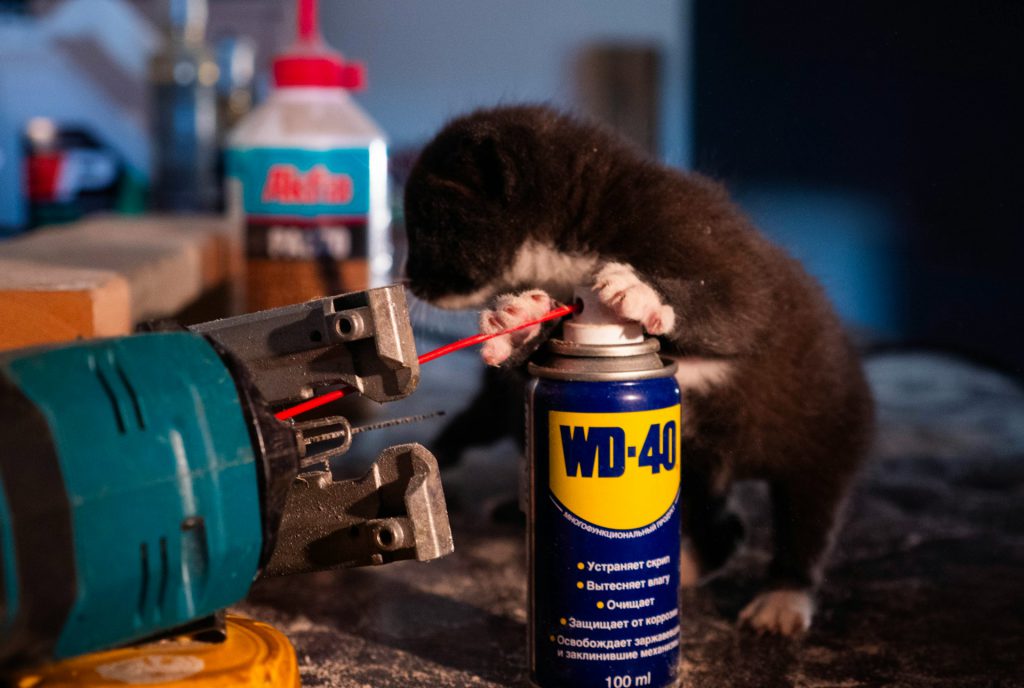
Silicone-based products can restore faded trim color temporarily.
Standard silicone spray from hardware stores can restore faded black plastic exterior trim, transforming chalky gray plastic to a deeper finish. This trick works by temporarily coating the polymer surface, offering similar chemistry to commercial plastic restorers. Applying this solution correctly is crucial: always use a light coat on a clean microfiber cloth, never spray directly onto the trim.
The finish typically fades over several weeks per application. Unlike some petroleum-based options, silicone spray generally avoids leaving heavy residue, though excessive application can attract dirt. This approach provides a budget-friendly alternative to commercial trim restorers.
14. Aluminum Can Pull-Tab Phone Stand
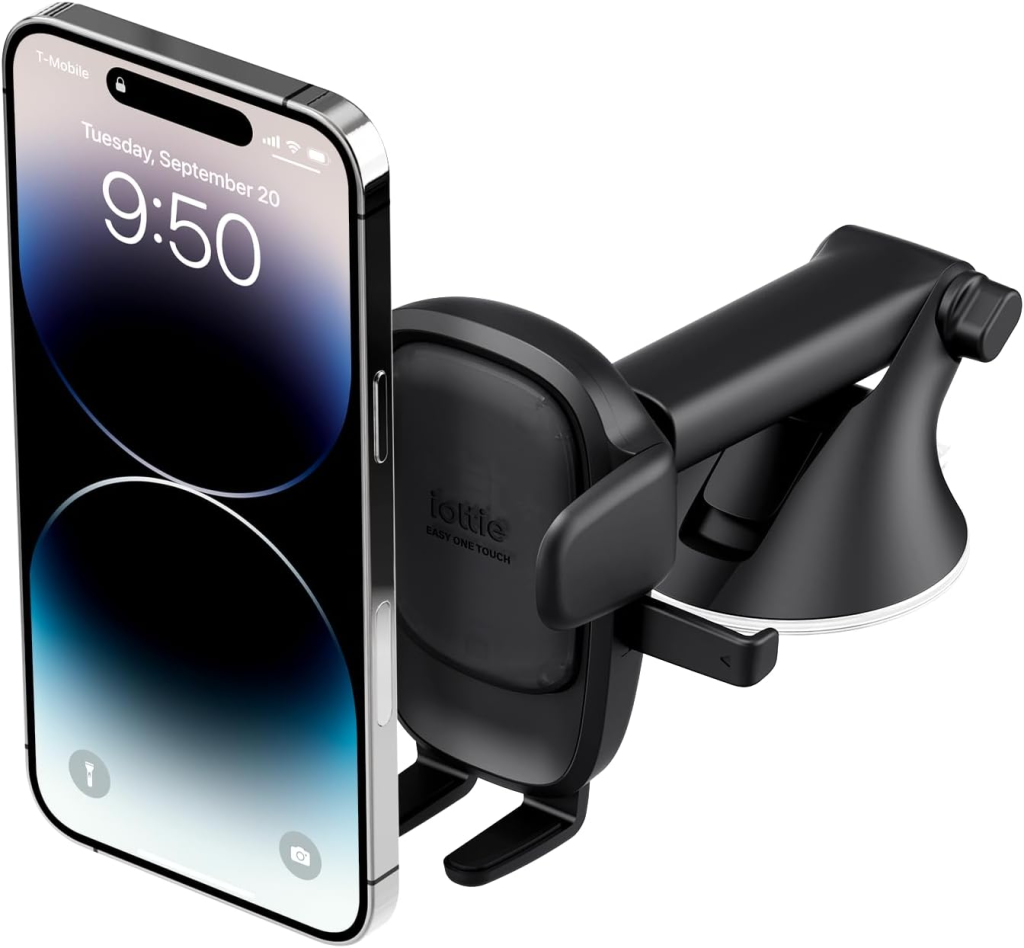
The removable tab from an aluminum can makes a surprisingly stable emergency phone mount.
Highway speeds punish flimsy phone mounts. Needing GPS on a long trip but lacking a dedicated mount creates real problems. An aluminum can pull-tab offers an unexpected emergency solution that costs exactly zero dollars.
Remove a pull-tab from any aluminum can. Bend the ring portion at a 90-degree angle to its flat tongue. Wedge the flat tongue between dashboard AC vent slats. The bent ring forms a makeshift cradle, offering a natural viewing angle. For heavier phones, two tabs provide double the support. This resourceful hack functions as a quick emergency fix when traditional gear fails, though durability depends on vent design and phone weight.
13. Coffee Grounds Odor Absorber
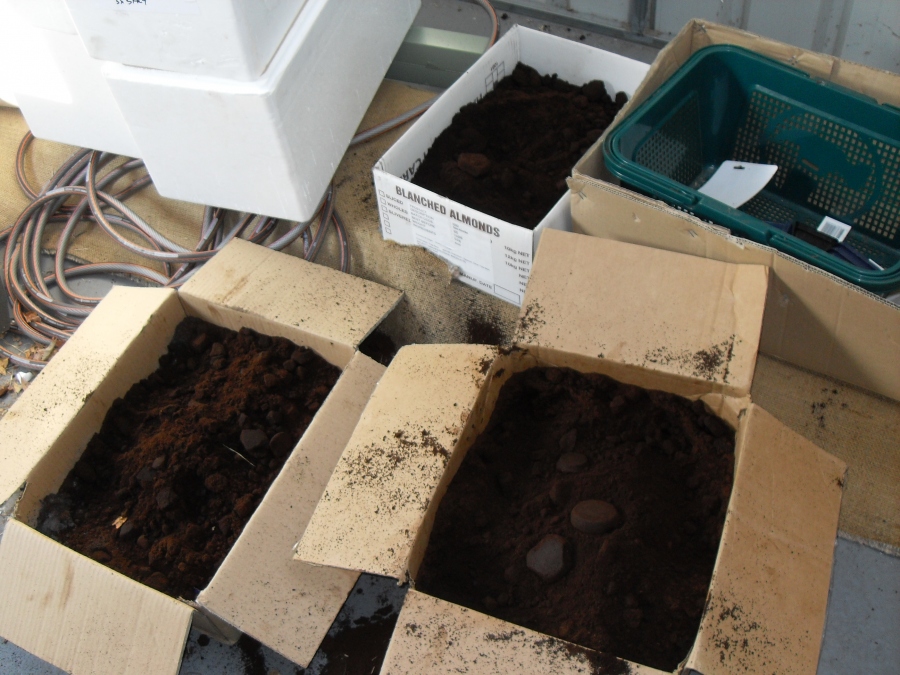
Dry coffee grounds absorb cabin odors over time when placed in open containers.
Coffee grounds are commonly used as a passive odor absorber in enclosed spaces, including vehicles. The cellulose structure naturally absorbs molecules. For smoky interiors, the practical claim is odor masking and absorption over time rather than complete removal of embedded residue from surfaces.
Pack approximately two cups of loosely ground coffee into an open container, such as a small glass jar. Place it under the driver’s seat or in an unused ashtray. Replace the grounds every few weeks for continued effect. This low-cost solution works best when paired with thorough cabin cleaning, offering a budget-friendly deodorizing approach that helps manage cabin odors.
12. 70% Isopropyl Rubbing Alcohol for Interior Glass

Isopropyl alcohol evaporates quickly and reduces residue on windshield interiors.
Unlike commercial glass cleaners that sometimes leave hazy film, 70% isopropyl rubbing alcohol delivers a clear finish on interior glass. Interior haze is often caused by outgassing from interior plastics, so periodic cleaning matters for visibility.
Apply a light mist onto a clean microfiber cloth; never spray directly on the glass. Wipe firmly in single-direction strokes, avoiding circles, then buff dry with a second cloth. The alcohol dissolves plasticizer residue and evaporates completely, reducing night driving glare and interior fog. A bottle yields dozens of treatments, contrasting with commercial cleaners or detail shop prices.
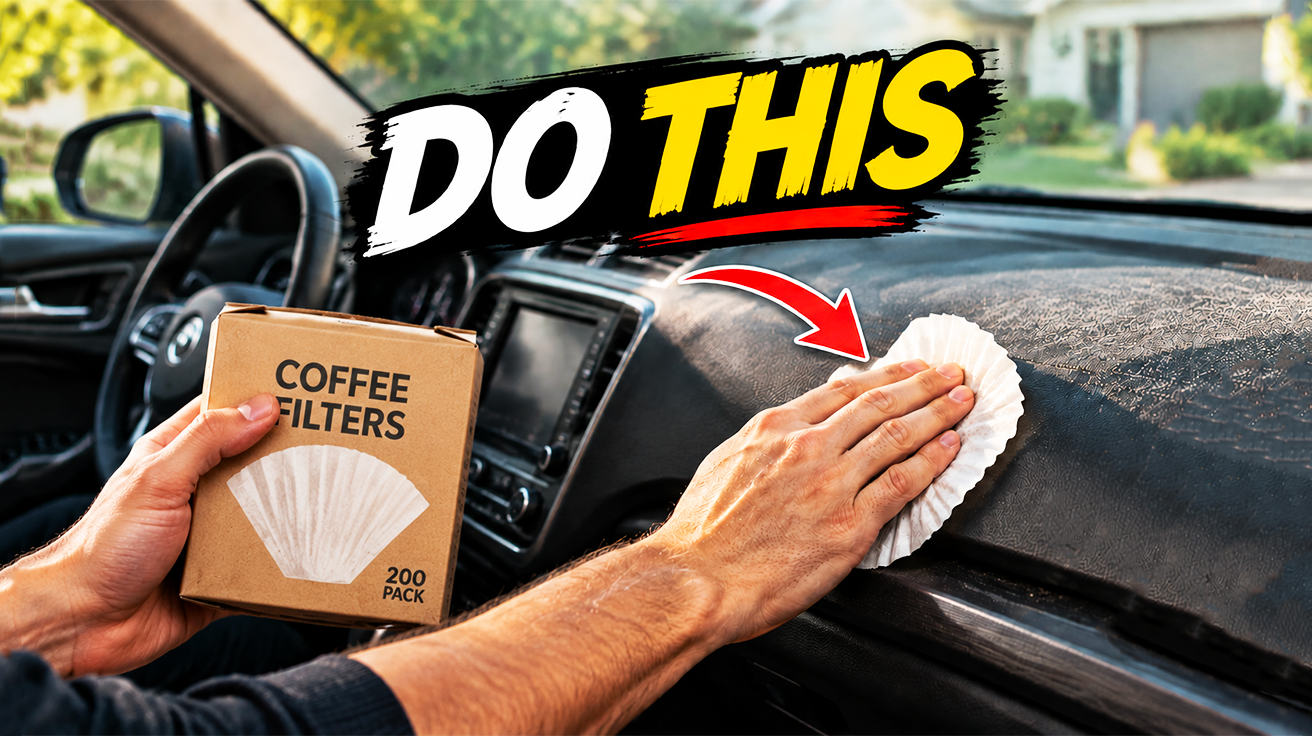
11. Coffee Filters for Dashboard Dusting

Coffee filters are soft, low-lint, and disposable for quick interior dusting.
Most dusting cloths create static electricity, turning your car’s interior into a dust magnet. Coffee filters offer a simple alternative. Use them to wipe across the dashboard, door panels, and all interior plastic surfaces with firm strokes.
The paper fiber is inherently low-static and won’t charge surfaces as aggressively as some synthetic cloths. Coffee filters are cheap, disposable, and less likely than some materials to smear dust or leave noticeable lint. A pack of filters delivers months of quick interior touch-ups.
10. Trip Meter B for Maintenance Tracking
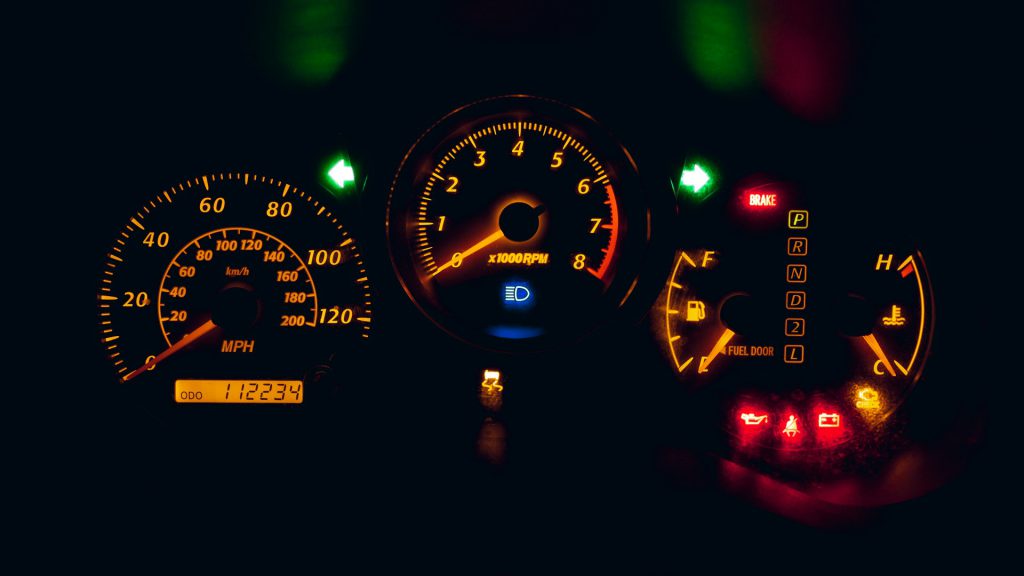
Trip B lets you track mileage between oil changes and service appointments independently.
Many vehicles have two trip odometers, commonly labeled Trip A and Trip B, that can be reset independently. Trip B transforms into a powerful maintenance tool when drivers integrate it into their routine. Use it to track miles between oil changes, tire rotations, fuel fill-ups, or repairs.
Accessing and resetting this digital logbook is straightforward. Navigate to Trip Meter B using the same button as Trip A, usually found on your steering wheel or dashboard. Once displayed, hold the button briefly to clear the count and start fresh. This eliminates guesswork about when service is due, letting you monitor intervals without consulting a dusty service manual.
9. Cruise Control Resume Function

Resume returns your vehicle to the last set speed after brief interruptions.
Cruise control has made highway driving simpler, but one button often goes unused. You know the drill: hit the brakes, cruise disengages, then manually re-accelerate. Most modern cruise control systems include a Resume button that returns the car to the last set speed after cancellation, if conditions allow.
Activating ‘RES’ or the forward arrow automatically brings your vehicle back to that stored speed. This feature reduces the need to re-accelerate manually after brief interruptions, cutting pedal-pumping and reducing driver fatigue on long hauls. Distinguish between resume after cancel and set; resume reactivates the stored speed, while set establishes a new one.
8. Follow-Me-Home Headlights

Delayed headlights keep your path lit for a short period after you turn off the ignition.
Anyone who’s fumbled for keys in a dark driveway after turning off their car knows the immediate relief a well-lit path provides. Many modern vehicles offer a delayed-headlight feature that keeps the headlights on briefly after the ignition is turned off.
Automakers may label this as follow-me-home lighting, coming-home lighting, or headlight delay in vehicle settings. Activate this function within your car’s infotainment settings, typically under exterior lighting or headlight controls. The feature is intended to light the path away from the vehicle in dark conditions and is often configurable for different time intervals.
7. Fabric Softener Sheet Cabin Freshener

Dryer sheets tucked under seats provide subtle, temporary cabin fragrance.
Dryer sheets are commonly used as a low-cost temporary air freshener under car seats. This hack avoids the olfactory assault of those dangling tree air fresheners. Simply fold a dryer sheet and tuck it securely under each front seat, against the back wall.
As your car’s airflow circulates, it distributes a light, natural fragrance and provides mild anti-static effects. Replace these sheets every few weeks for consistent freshness. The effect is fragrance-based and temporary; it does not replace cleaning if the cabin odor is caused by spills, smoke, or mold.
6. Petroleum Jelly for Rubber Door Seals
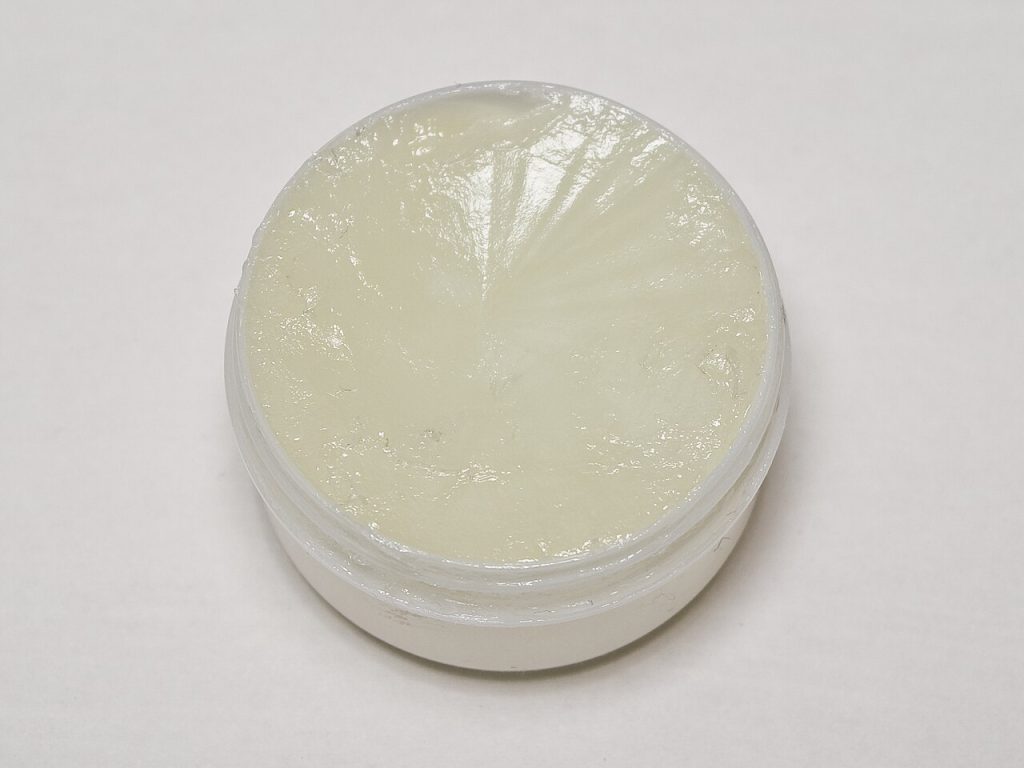
Rubber weather stripping can be conditioned to reduce squeaks and help prevent sticking.
The persistent squeaking and freezing of rubber weather strips often signals years of neglect. Rubber weather stripping on doors, trunks, and hoods can be conditioned to reduce squeaks and help prevent sticking in cold weather. Wipe seals clean with a damp cloth to remove any grit.
Apply a thin coat of petroleum jelly to a microfiber cloth, wiping along all rubber strips on your doors, trunk, and hood, and buffing off any excess. Automotive care products and rubber protectants are commonly used for this purpose; petroleum jelly is an improvised substitute. Excessive application can attract dirt, so a thin layer and cleanup of residue matter. This routine, repeated periodically, preserves rubber flexibility.
5. Turn Signal Lane-Change Timing

Signaling several seconds before a lane change is a core defensive-driving practice.
Considering the pace of modern traffic, the subtle act of signaling demands more consideration than most drivers give it. Defensive driving courses often teach activating your turn signal several seconds before initiating any lane change or turn.
This preemptive move gives surrounding drivers time to perceive your intentions and react safely. The key idea is to give surrounding traffic enough time to perceive and react before you move. This isn’t merely courtesy; it’s a foundational element of defensive driving that improves road safety. Adopting strong signaling habits through certified courses can even qualify you for insurance rate reductions.
4. Weekly Wiper Blade Cleaning
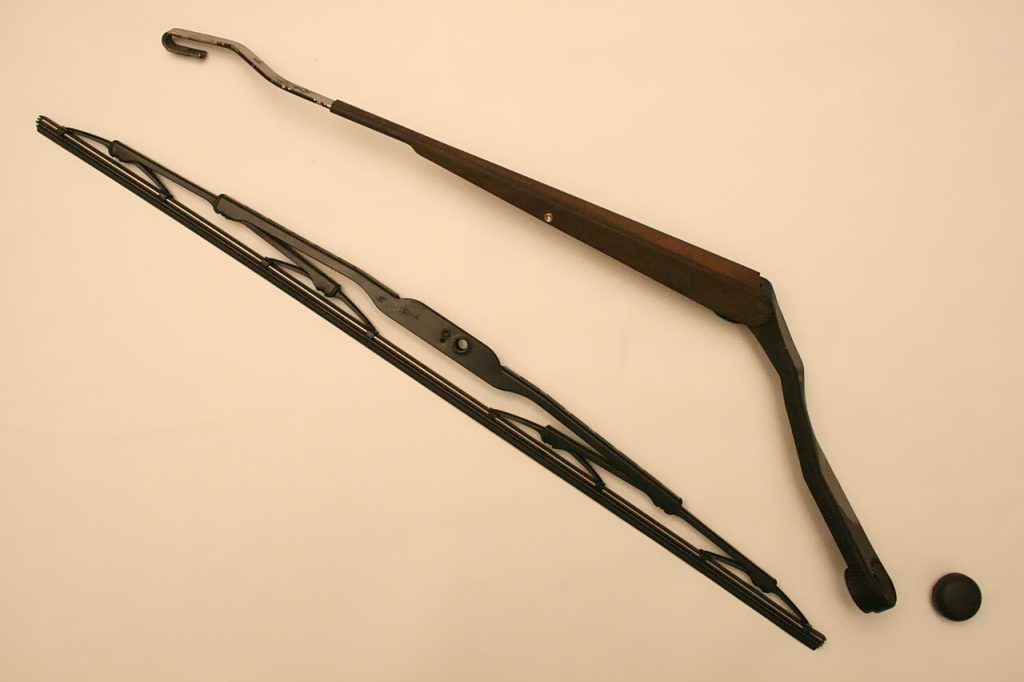
Cleaning the blade edge regularly removes buildup and reduces streaking.
Wiper blades often streak because of dirt, road film, and contamination on the rubber edge. Cleaning the blade edge can improve performance and extend useful life. This simple chore involves wiping the rubber edge of each blade firmly with a dry paper towel or microfiber cloth weekly.
This act removes the invisible road film, dust, and oil that accumulate, turning clear views into murky messes. This quick weekly habit can extend a blade’s useful lifespan, though replacement is still needed when rubber hardens or tears. You save on quality replacements over time through this minimal maintenance.
3. Dual-Zone Climate Control
The SYNC or DUAL button lets driver and passenger set different cabin temperatures.
How often have you or your passenger endured an uncomfortable cabin temperature because of a climate control disagreement? Dual-zone systems let driver and front passenger set different cabin temperatures. The SYNC or DUAL function typically links both zones to one temperature setting; disabling it allows independent left/right control.
Simply press the ‘SYNC’ or ‘DUAL’ button, usually located on your climate control panel, to disable it. This action enables independent temperature settings, allowing you to enjoy a crisp environment while your passenger relaxes in warmer conditions. This is a real factory feature on many vehicles, though availability depends on trim and model.
2. SAE Blind-Spot Mirror Positioning

Aiming side mirrors farther outward reduces blind zones in adjacent lanes.
A 1995 Society of Automotive Engineers paper examined rearview-mirror geometry and strategies to reduce blind zones. The widely cited approach is to aim side mirrors farther outward so they cover adjacent lanes rather than showing much of your own car.
For the driver’s side, lean your head until it almost touches the window, then adjust the mirror outward until you just barely see the side of your car at its inner edge. On the passenger’s side, lean towards the center of the vehicle and adjust that mirror until your car’s flank is just vanishing from view. This adjustment creates better overlap between your rearview and side mirrors. Drivers should still check the vehicle’s owner guidance and perform an actual road test after adjusting mirrors.
1. Pre-Drive Setup Routine

A consistent setup routine improves comfort and safety before every drive.
A conscious pre-drive setup can have a real impact on safety and comfort. Begin by positioning your seat so your hips sit level with your knees, providing ergonomic support. Adjust the seat fore and aft until you maintain a slight bend in your knee when fully depressing the brake pedal.
The steering wheel should be set so your elbows have a slight bend when your hands rest at the 9 and 3 position, with the wheel’s top edge aligned just below your instrument cluster for an unobstructed view. Set your mirrors, dial in your climate control, and enable automatic headlight delay. A quick glance at TPMS warnings and the fuel gauge prevents roadside surprises. This routine takes about a minute initially but becomes second nature with consistent practice, transforming your drive into a deliberate, comfortable experience.