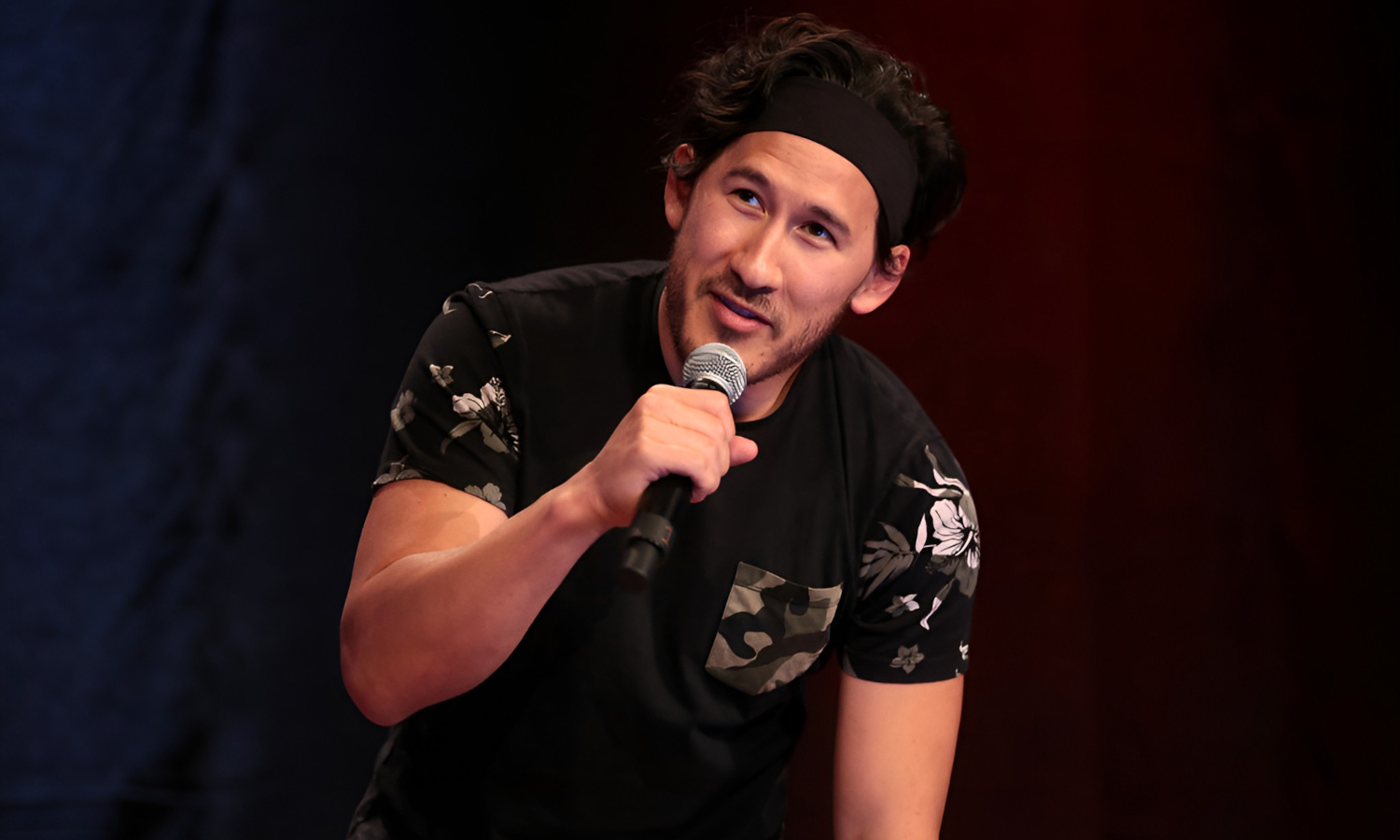
While analysts were writing GoPro’s obituary, Mark Fischbach was writing checks. The YouTube creator known as Markiplier quietly accumulated 13.5 million GoPro Class A shares — an 8.5% stake in that share class — while the camera company was carrying significant debt and facing prolonged financial pressure. Then, on September 1, 2026, GoPro announced a $285 million merger with optical-photonics firm Starman Optical. At $1.14 per share in cash, Markiplier’s gross payout comes to roughly $15.39 million before taxes or adjustments. That’s not a meme. That’s an SEC filing doing serious work.
The mechanics matter here. Fischbach filed a Schedule 13G — a passive beneficial ownership disclosure, meaning he wasn’t staging a takeover, just accumulating shares. That 8.5% stake made him the largest individual holder of GoPro’s publicly traded Class A stock, ahead of institutional funds. In an interview reported by Bloomberg, he called the stock “undervalued” and said he wanted the company to succeed. Whether that was conviction or clever positioning, the market didn’t care — GPRO surged more than 128% over two days once his stake went public, according to Yahoo Finance.
Here’s what the deal actually looks like:
- Starman Optical pays $1.14 per share in cash, totaling approximately $285 million across all GoPro shareholders
- Existing shareholders retain roughly 10% equity in the combined company
- The deal retires approximately $92 million of GoPro’s existing debt at closing
- At $1.14 × 13.5 million shares, Markiplier’s gross cash portion reaches approximately $15.39 million (pre-tax, subject to closing adjustments)
- GoPro stock jumped another 40–55% on the merger announcement alone
A Seeking Alpha analysis put the new math plainly: “the asymmetry is gone,” noting that each share is now worth “$1.14 in cash plus 10% of the combined company’s equity value divided by 250 million shares” — a fixed anchor replacing what had been pure speculation.
GoPro’s AI Pivot Is Either a Lifeline or a Press Release
Starman Optical’s core business — optical transceivers for AI data centers and defense — sits about as far from helmet cams as you can get.
Think of it like a band abandoning their signature sound mid-career: sometimes it’s genuine reinvention, sometimes it’s survival dressed up as vision. Skeptics argue the deal primarily delivers a clean financial exit for shareholders while the AI narrative does the heavy lifting on stock price. Supporters point to real infrastructure demand as AI buildout accelerates. Both reads are defensible, and the Forbes coverage of the announcement acknowledged exactly that tension.
Markiplier’s play here is unusual at this scale. Unlike the GameStop moment — which ran on Reddit energy and retail fury — this one came with an actual SEC filing, a real acquisition offer, and a creator who publicly cited fundamental reasoning on a struggling hardware stock. Retail investors who followed him into GPRO on the “undervalued” narrative now face a fixed exit price rather than a speculative ceiling.
If the deal closes as structured, Markiplier doesn’t just walk away with a profit. He walks away as proof that creator capital can move through Wall Street as deliberately as it moves through an algorithm.