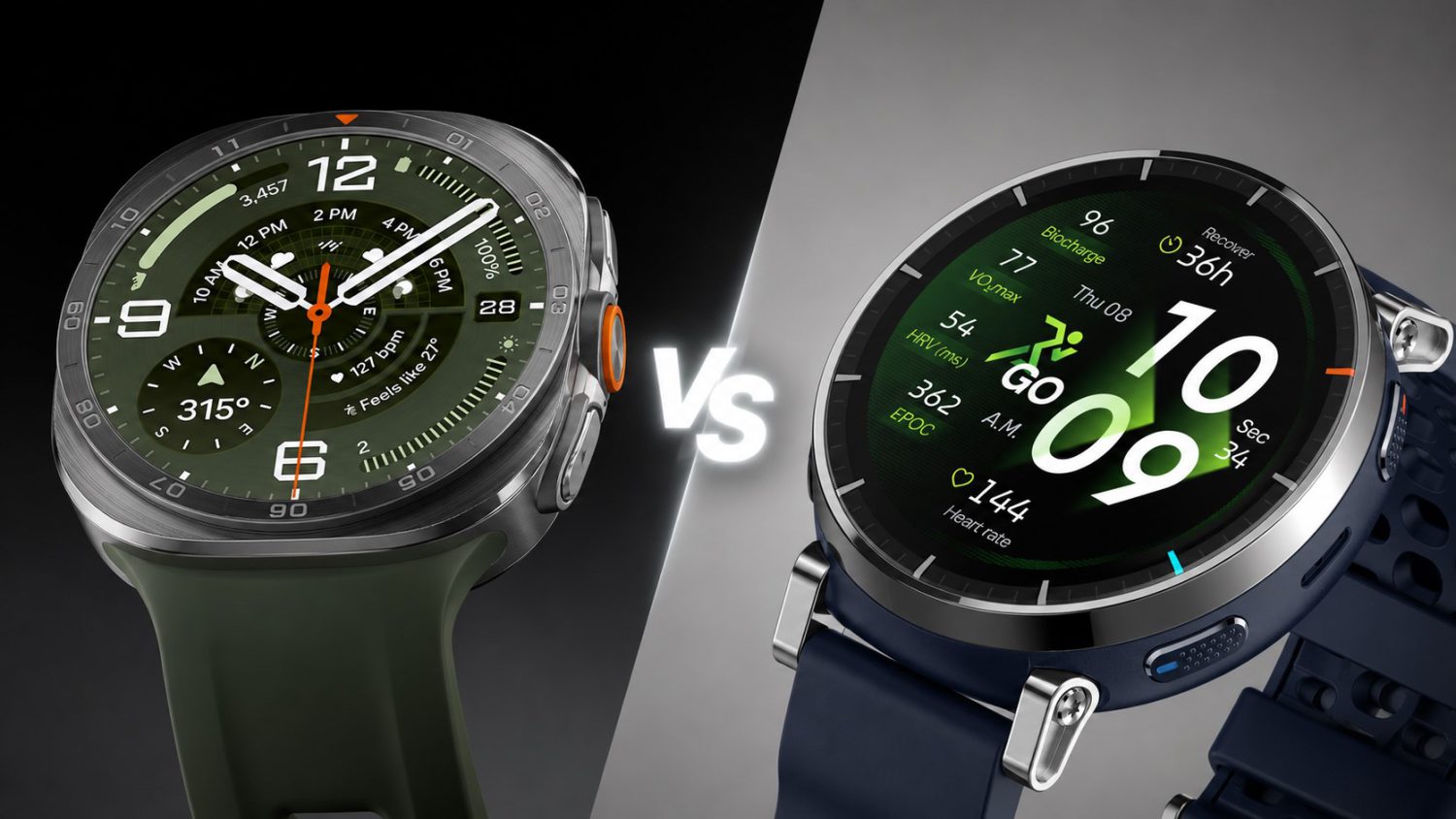
The gap between these two watches isn’t measured in millimeters. It’s $530. That’s the price of a flight, a month of groceries, or about four other perfectly good fitness trackers. So before comparing specs, the real question is simpler: what kind of buyer are you?
Samsung Galaxy Watch Ultra 2: The Watch That Does Everything – Until It Doesn’t
Flagship specs and ecosystem depth make a compelling case — right up until the battery conversation starts.
At $699.99, the Galaxy Watch Ultra 2 earns its price tag on paper. Titanium case. Sapphire crystal display. A 1.52-inch Super AMOLED panel pushing 5,000 nits — bright enough to read in direct sunlight without squinting. Wear OS 7 with One UI Watch 9 means Google services, NFC payments, LTE independence, and a deep Android ecosystem on your wrist. MIL-STD-810H and EN13319 ratings mean it can take a beating outdoors. This is a serious piece of kit.
The crack in the armor is battery life. Real-world use lands around three to four days, according to TechRadar — roughly 60 hours with always-on display enabled. For a watch at this price competing against dedicated outdoor wearables, that’s a genuine limitation worth naming plainly.
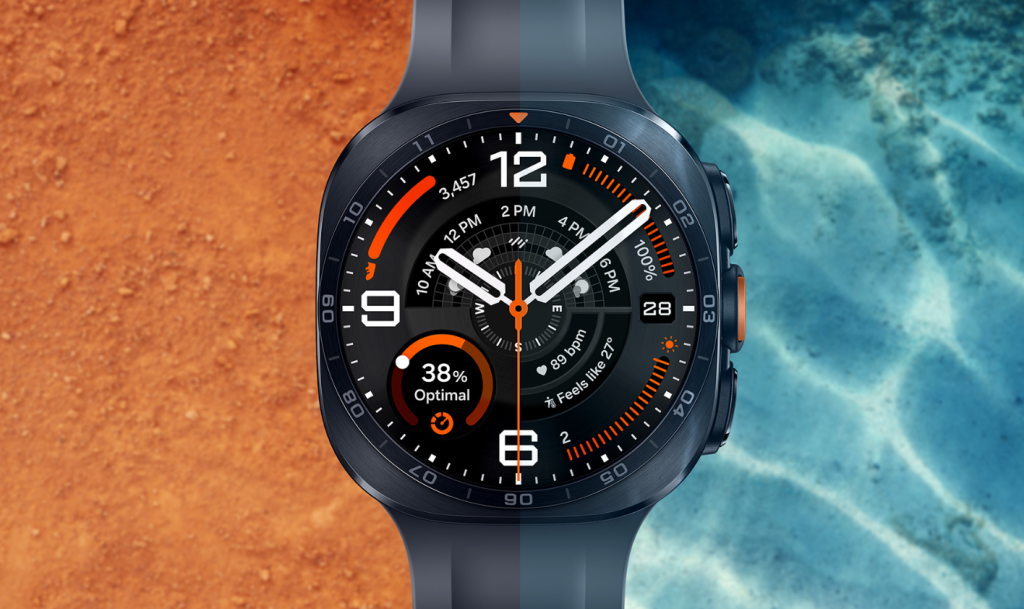
Key specs at a glance:
- Samsung Galaxy Watch Ultra 2: $699.99 / titanium / sapphire crystal / 5,000-nit AMOLED / Wear OS 7 / dual-band GPS / LTE / 10ATM + IP69K / ~3–4 days real-world battery
- Amazfit Active 3 Premium: $169.99 ($144.49 on sale) / stainless-steel frame / 38g / 3,000-nit AMOLED / 5ATM / ~7–12 days real-world battery
- Battery gap: charging every few days versus charging once a week
- Samsung wins on ecosystem depth, LTE, and NFC payments
- Amazfit wins on endurance and value; limited app depth is its ceiling
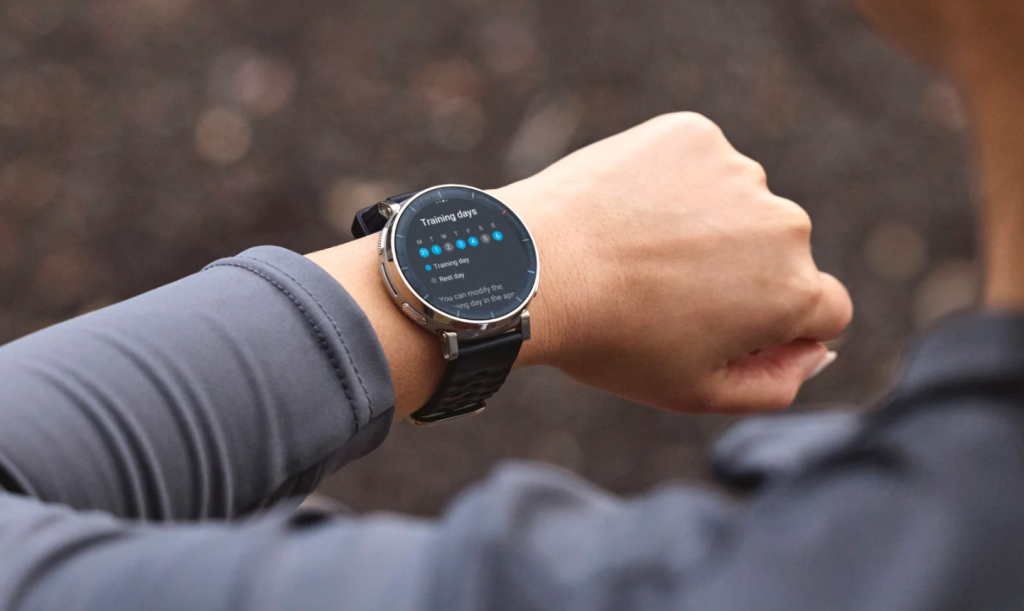
Amazfit Active 3 Premium: Light, Long-Lasting, and Brutally Honest About What It Is
At a fraction of the price, this watch makes one argument exceptionally well — and sticks to it.
At 38 grams, the Amazfit Active 3 Premium disappears on your wrist. It runs a week or more on a single charge in real-world use, per both Wareable and TechRadar — closer to two weeks under light use. For runners and casual athletes, that’s the headline number you keep coming back to. No LTE, no NFC payments, a shallower app ecosystem. If you live inside Samsung’s universe, those absences sting. If you don’t, they barely register.
The decision, stripped of marketing noise, comes down to this: Samsung is for the user who wants LTE independence, tap-to-pay, outdoor-grade ruggedness, and full Android integration. Amazfit is for the buyer who wants to stop thinking about charging. Both deliver solid fitness tracking. Neither is wrong.
Note: regional pricing, LTE availability, and specific health features can vary by country — confirm local specs before buying.
The $530 price gap doesn’t tell you which watch is better. It tells you something more useful — exactly what you actually need from the thing on your wrist.