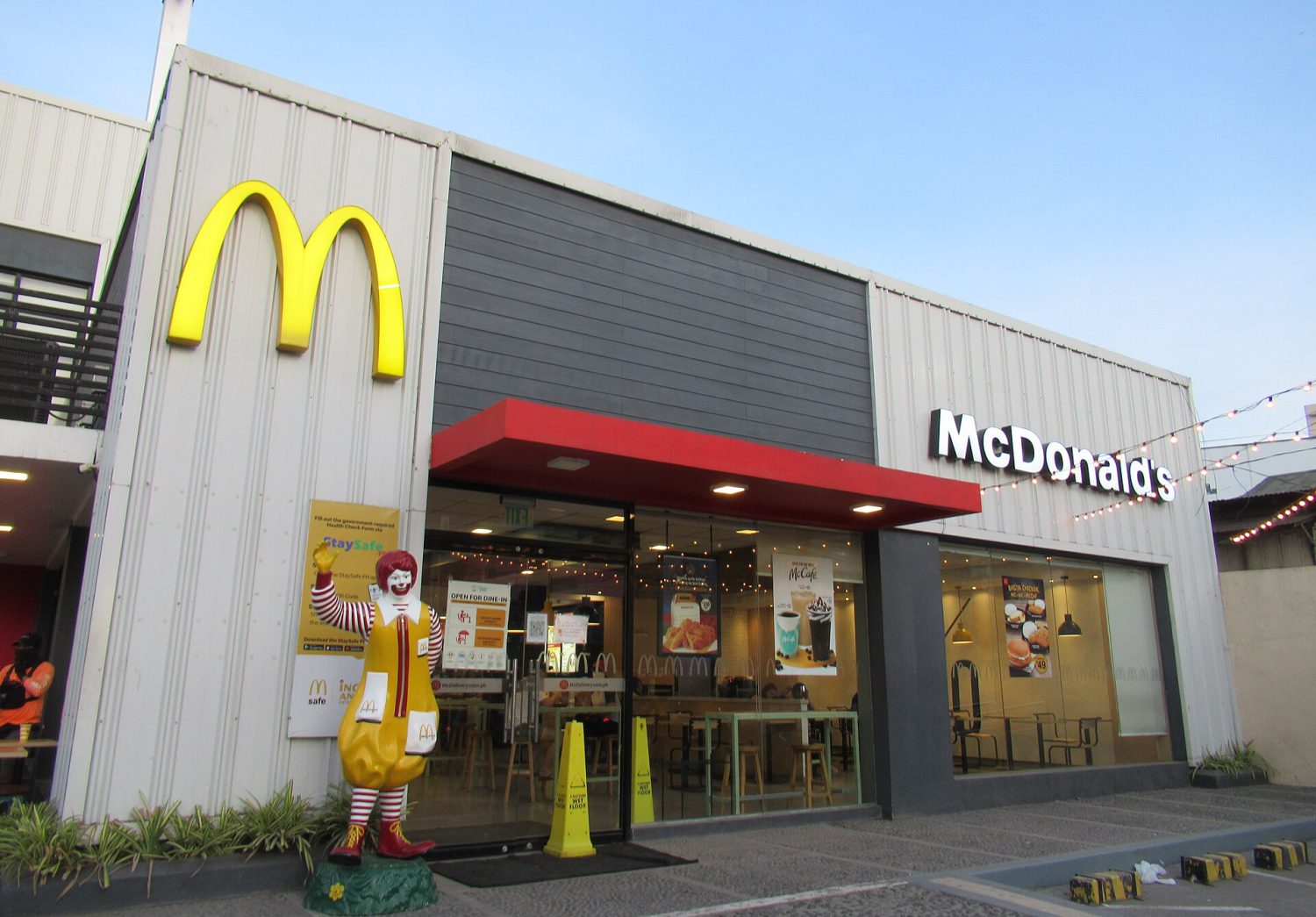
Reece Rogers, a senior writer at WIRED, expected a few pages of order history. What arrived — within days of submitting a routine data request — was a 515-page PDF crowned with the golden arches, cataloguing every Monopoly code he’d ever scanned, every targeted offer he’d ignored, and an algorithm’s quiet verdict: his “Customer Attrition Likelihood” was zero. McDonald’s had already decided he wasn’t going anywhere. The more uncomfortable question is simpler: what does your surveillance app think about you?
What Was Actually Inside
The dossier went far beyond receipts — it mapped Rogers’ habits, ranked his preferences, and modeled his future behavior in granular detail.
Beyond the raw behavioral logs — timestamps, precise restaurant locations, menu items, loyalty points accumulated — the file revealed something far more specific than a purchase history. Rogers told Marketplace he expected “some kind of data collected” but “had no idea that it was going to be this extensive and granular.” The document was so technically dense with internal codes that he needed a generative AI tool just to parse it. The irony of using AI to decode what a corporation’s AI built about you is almost too on-the-nose.
Here’s what McDonald’s systems had modeled about Rogers’ future:
- Predicted 2.16 visits over the next six weeks
- Estimated $13.49 average spend per order; $29.15 total projected spend
- Ranked “most relevant” products: Large Diet Coke, Spicy Snack Wrap, Grinch McShaker Fry Large
- Assigned behavioral segments: “Food-Led Afternoon Snack,” “On the Go Lunch in a Rush”
- Customer Attrition Likelihood score: zero
“I had no idea that it was going to be this extensive and granular.” — Reece Rogers, WIRED, via Marketplace
Your Rewards App Is an Algorithm in a Fast-Food Wrapper
McDonald’s isn’t an outlier — it’s just the one that got caught holding an open file.
If you use loyalty programs at grocery chains, coffee shops, or anywhere else, none of this is unique to McDonald’s. Churn prediction, lifetime value scoring, next-best-offer modeling — these are standard tools across the industry. The golden arches just happened to be holding the bag when someone looked inside.
California’s Consumer Privacy Act (CCPA) gave Rogers the legal right to request, review, and ultimately delete his data through McDonald’s Privacy Rights Center — which he did after reading his file. That right doesn’t extend to most of the country. And CCPA, for all its teeth, focuses on access and deletion; it doesn’t yet regulate the predictive modeling itself. The algorithm scoring your likelihood to leave operates largely beyond current legal challenge.
That gap — between what these systems know and what you’re legally allowed to see — is the real story here. Some privacy advocates compare the scale of corporate data collection to government surveillance, noting that a 515-page corporate dossier rivals what many people might expect from a federal file. Whether that comparison lands as alarming or absurd probably depends on how many loyalty apps are sitting on your phone right now.