Your ELD says “Off Duty — Personal Conveyance.” A Flock Safety camera three states back timestamped your rig moving under load at 2:47 a.m. The officer at your inspection window has both data points on his screen. That discrepancy just became a log falsification citation. No FMCSA regulation currently bars officers from using privately collected license plate reader data as evidence of vehicle movement, according to Yahoo News industry reporting. This is not hypothetical. Flock’s network captures over a billion vehicle passes per month, and the company claims its systems help clear 700,000 to one million crimes annually. The road is watching back.
What Flock Actually Does to Your Data
Fixed roadside cameras build searchable travel histories for every vehicle that passes — and Flock insists none of it counts as “personal information.”
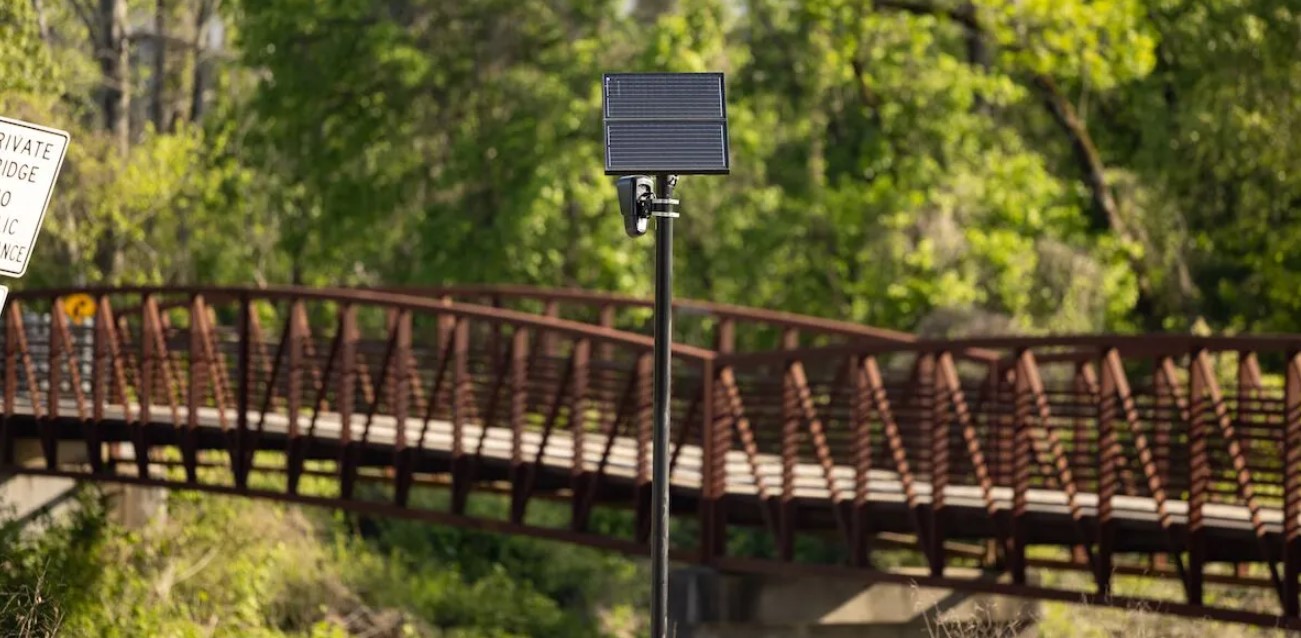
Flock Safety’s cameras photograph every passing vehicle, using AI to extract plate number, make, model, color, visible damage, and add-ons like trailer hitches. All of it lands in a cloud database shared across law enforcement agencies and private clients. Flock’s own ethics materials classify license plates as “vehicle data,” not personal information. That framing collapses the moment you consider that one truck typically means one driver, one CDL, one livelihood.
Here is how Flock specifically intersects with trucking:
- Officers have used Flock timestamps to contradict “Off Duty” ELD entries and support log falsification citations.
- Robinson, Texas police deploy Flock cameras to flag semis on restricted residential streets and issue violations.
- A major logistics firm claims it eliminated eight-figure annual theft losses after deploying Flock, flagging over 700 stolen vehicles in two months.
- Movement data can feed into insurance underwriting, liability exposure, and hiring decisions through the broader telematics ecosystem.
- There is no opt-out. Drive public roads or enter a Flock-equipped freight yard, and the system has you on record.
Civil-liberties advocates, including the ACLU, describe Flock’s expansion as “creepy mass surveillance,” arguing it normalizes constant tracking of everyone on the road — not just suspects.
How to Actually Fight This
The non-felony playbook already has wins on the board — and it does not require a truck and a bad idea.
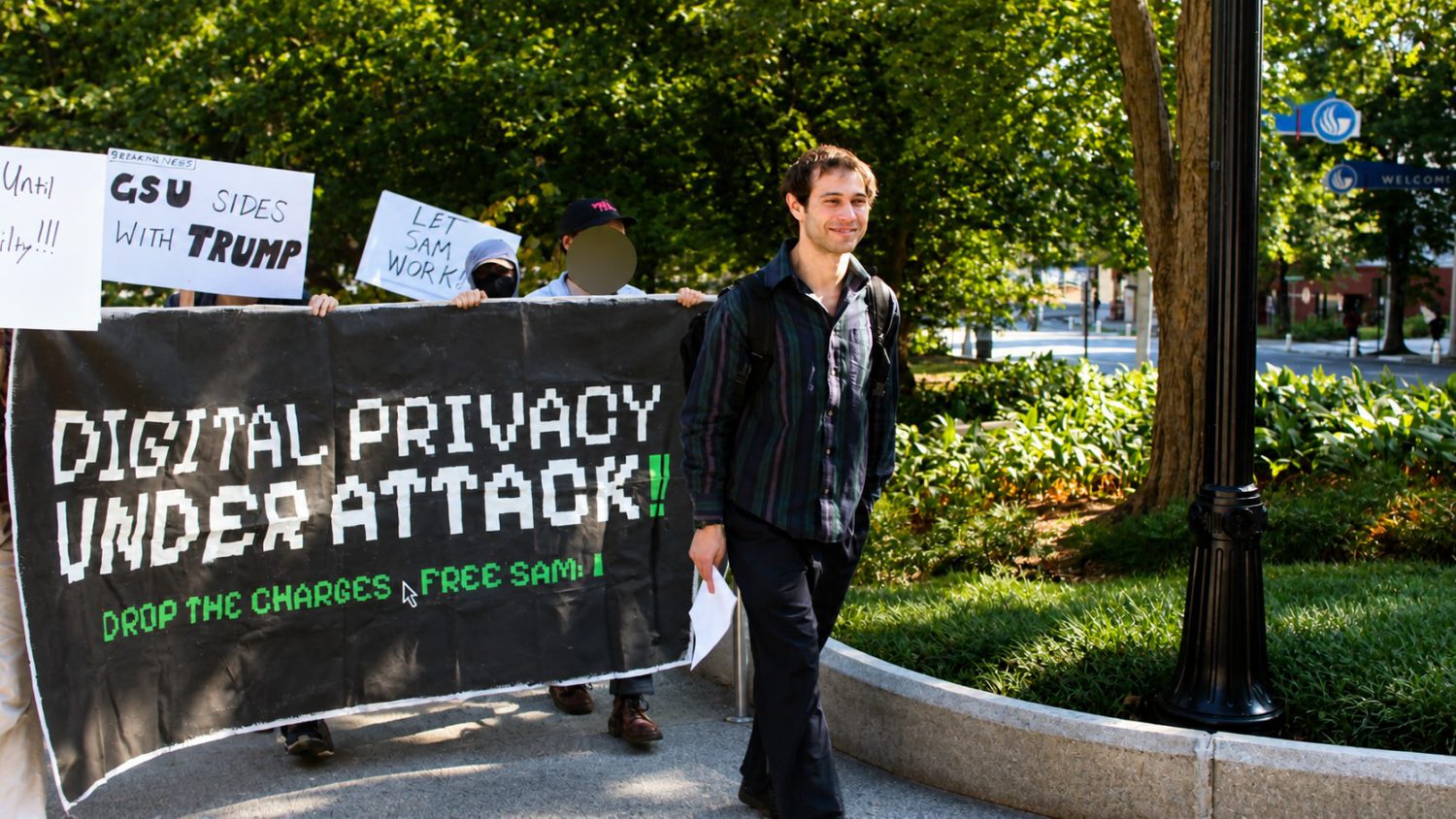
Some drivers have responded with the subtlety of a wrecking ball. In Pocatello, Idaho, a 20-year-old faces felony malicious injury to property charges after allegedly driving his truck into two Flock cameras. CNN confirms this is part of a nationwide vandalism wave. The frustration is understandable. The strategy, however, is roughly equivalent to protesting speed cameras by driving into them — satisfying for about three seconds before the consequences land.
Owner-operators and fleet managers who find this surveillance concerning have options that do not end in handcuffs:
- DeFlock.org tracks dozens of cities that have already canceled or declined Flock contracts.
- The ACLU’s “Get the Flock Out” campaign pushes public records requests and city council pressure for strict data-retention limits.
- Notably, this movement crosses party lines — bipartisan discomfort with roadside AI surveillance remains one of the few things left and right still agree on.
Police officials counter that ALPR “helps solve crimes” and delivers measurable improvements in clearance rates, according to PBS NewsHour.
The gray areas professional drivers have navigated for decades are shrinking fast. If Flock data becomes standard in HOS enforcement, accident reconstruction, and insurance underwriting, every mile driven becomes a permanent, searchable record. The question is not whether this technology is coming. It is already parked at the next mile marker.