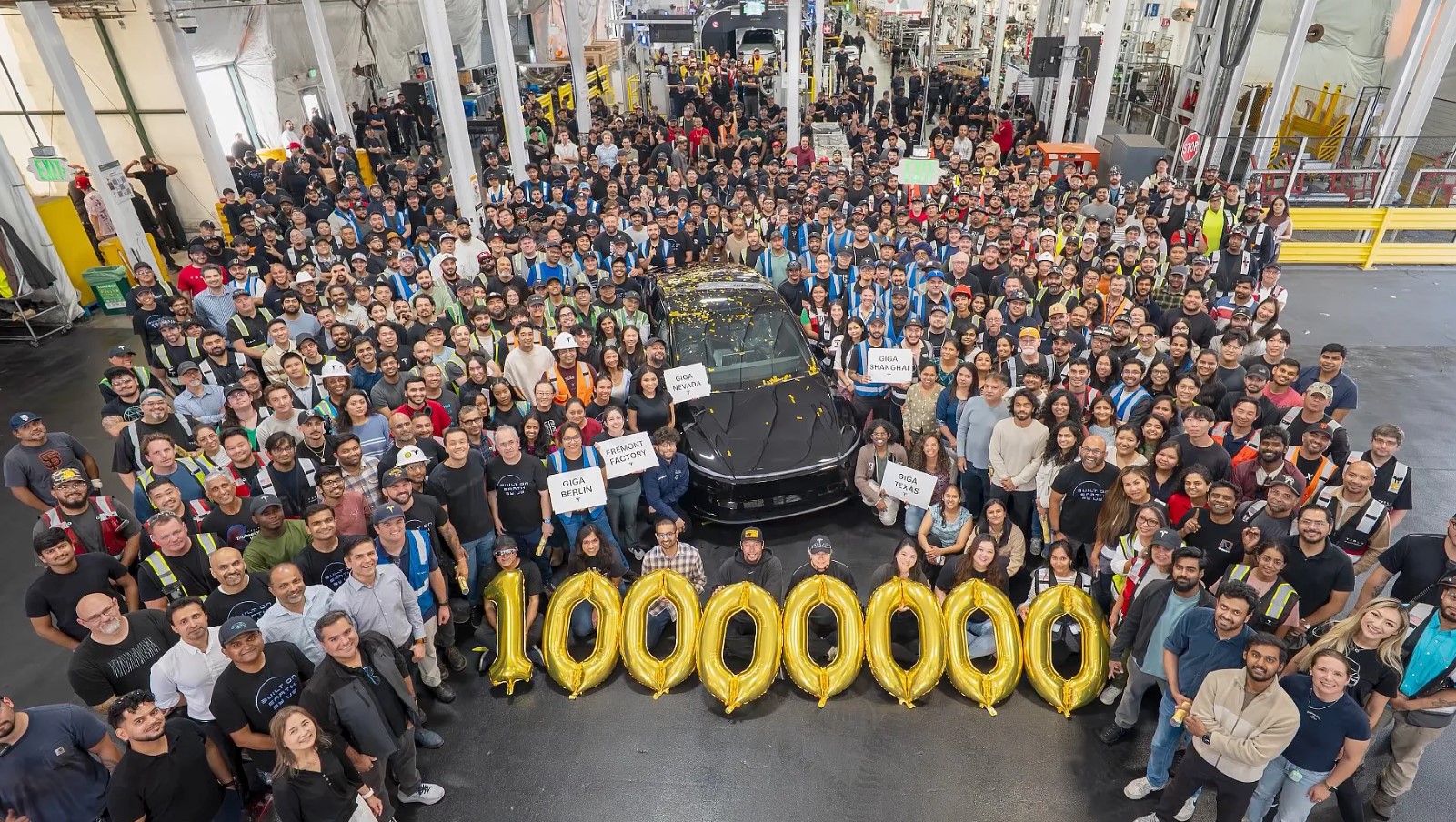
No other automaker has built 10 million battery-electric vehicles. Not Toyota. Not BYD. Not anyone. Tesla confirmed the milestone on July 30, 2026 — a Diamond Black Model Y, the company’s workhorse crossover and its undisputed volume driver. Six years ago, Tesla celebrated its millionth car rolling off the Fremont line. Nine million vehicles later, the scale is undeniable. But if you think hitting 10 million was the hard part, the next chapter reads like a streaming drama where the stakes keep doubling every episode.
From Startup to Scale Machine
Four factories, four continents, and a Q2 delivery record that masks real trouble at home.
Those 10 million vehicles came from Fremont, Gigafactory Shanghai, Gigafactory Berlin, and Gigafactory Texas — a manufacturing footprint that barely existed before 2020. Q2 2026 delivered a standout quarter: 480,126 deliveries globally, a 25% year-over-year jump and one of Tesla’s strongest performances ever, according to Reuters.
By the numbers:
- 10 millionth vehicle: Diamond Black Model Y, July 30, 2026
- 1 millionth vehicle: March 2020 — nine million built in roughly six years
- Q2 2026 deliveries: 480,126, up 25% year-over-year
- U.S. Q2 sales: down approximately 13% year-over-year despite the global record
That U.S. number is worth sitting with. Growth is increasingly coming from Japan, Australia, and Lithuania — not the American market that made Tesla a household name.
Tesla shareholders approved a performance-linked compensation plan for Elon Musk valued at up to $1 trillion. Unlocking it requires four targets by 2035:
- 20 million cumulative vehicles produced
- 10 million Full Self-Driving (FSD) subscriptions
- One million Optimus humanoid robots delivered
- One million robotaxis on public roads
The vehicle count is halfway there. Everything else? Not close.
“Ten million all-electric cars is a real milestone, and no other automaker has done it,” per Electrek.
That’s true. It’s also not the finish line.
The Gap Between Milestone and Target
The math separating celebration from full compensation looks like an obstacle course designed by particularly ambitious accountants.
FSD subscriptions currently sit at just under 1.5 million — against a target of 10 million, with free-trial eligibility toward the goal still unconfirmed. Optimus humanoid robots delivered, and one million robotaxis on public roads remain early-stage projects, nowhere near seven-figure production. Then there’s the financial bar: $400 billion in adjusted EBITDA by 2035. Tesla’s current adjusted EBITDA hovers around $3.27 billion and is shrinking, squeezed by vehicle discounts, fading regulatory credit revenue, and surging AI and robotics spending, per Electrek.
At current production rates of roughly 1.6 to 1.8 million vehicles annually, Tesla reaches 20 million cumulative in the early 2030s. That’s a tight margin with no room for a bad year.
Ten million EVs proves mass-market electric cars aren’t a thought experiment — they’re parked in your neighbor’s driveway. Whether Tesla can double that count while simultaneously cracking autonomy, robotics, and software revenue at scale is the question that makes this milestone a beginning, not a summit.