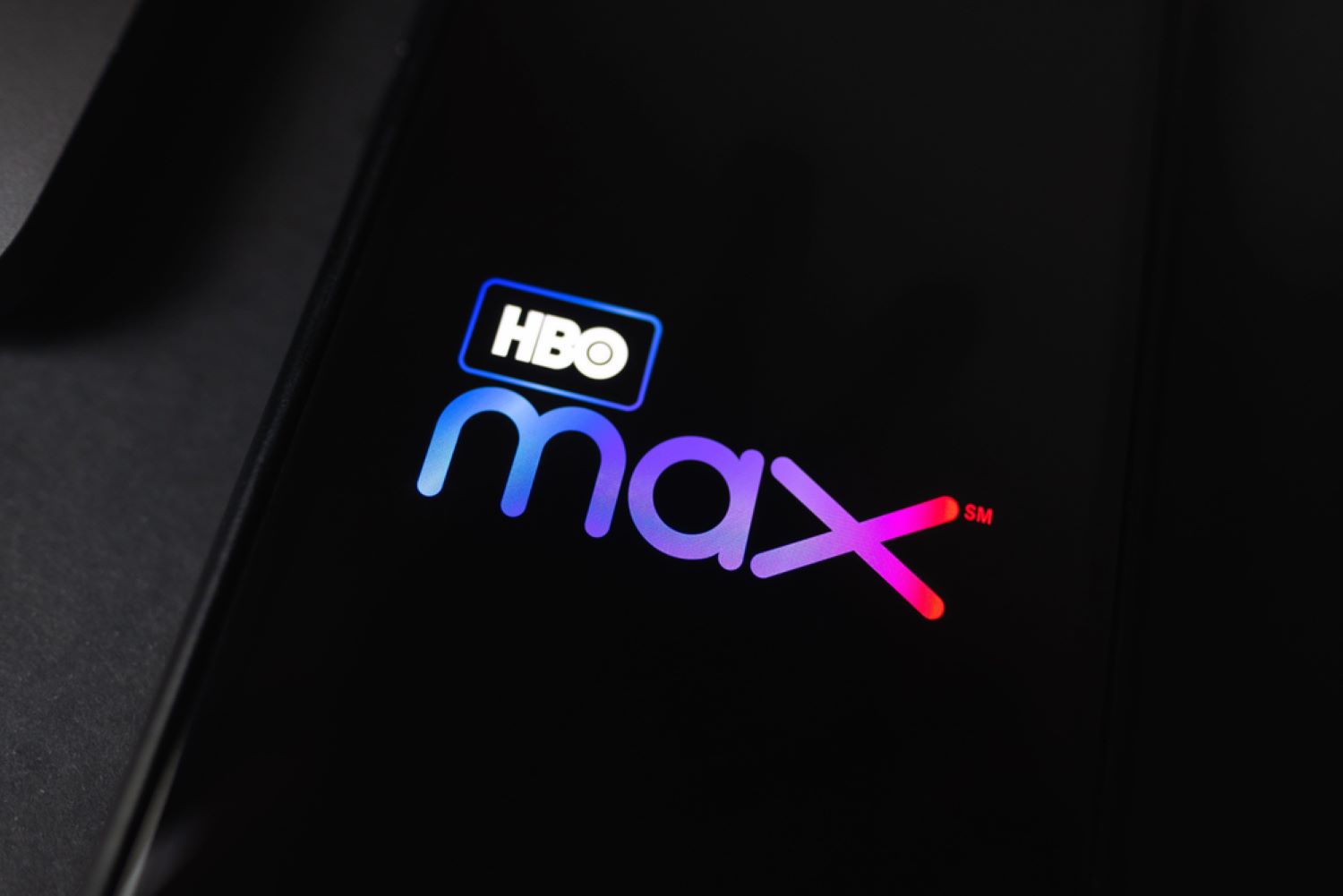
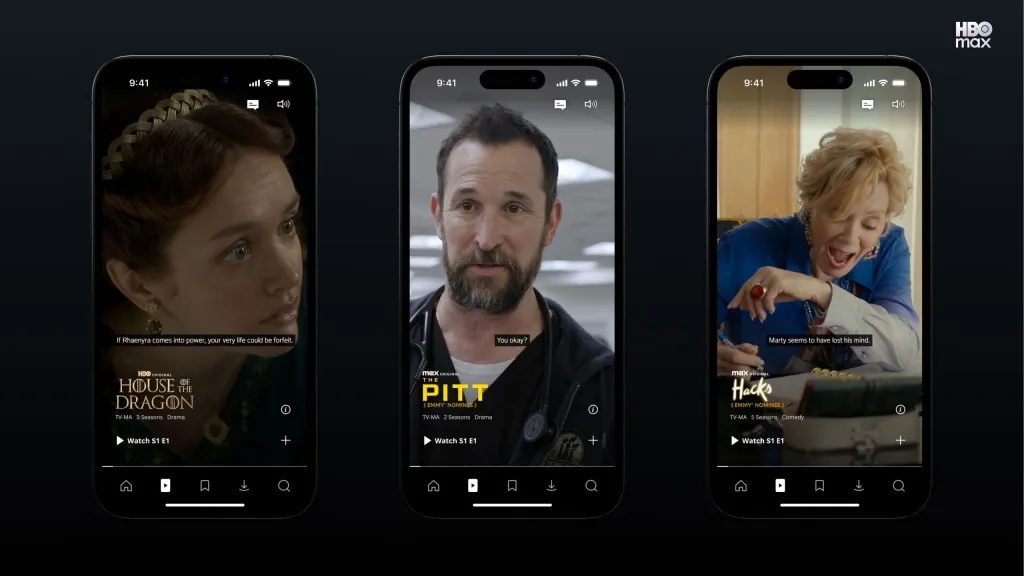
Twenty-two minutes of scrolling HBO Max thumbnails is a recognizable ritual — and Warner Bros. Discovery has decided to solve it with a swipe. The company has launched “HBO Max Shorts,” a vertical video feed of trailers, clips, and key scenes tucked behind a new icon in the app’s bottom navigation bar. Currently testing with select iOS users in the U.S., it represents what happens when a prestige streaming brand officially concedes that mobile discovery now belongs to the swipe economy.
How the Feed Works Under the Hood
AI picks the scenes; human editors decide if they’re worth your time.
Shorts pulls clips from the full HBO Max library — trailers, bonus material, pivotal scenes — and personalizes what surfaces based on your watch history. The discovery funnel is straightforward by design:
- Tap a clip that hooks you and jump straight into the full show or movie.
- Not ready to commit? Save it to your watch-later list.
Behind the scenes, the process is less casual. An in-house AI tool analyzes scene-level metadata across thousands of hours of content, flagging what it considers the most compelling moments. Human editors then review those suggestions and reformat the selections for vertical playback. The AI finds the hook. The human decides if it deserves your screen.
The Streaming Industry’s QR Code Menu Moment
Every major platform is chasing the same vertical-video logic, whether subscribers asked for it or not.
HBO Max isn’t the first to try this. Netflix, Disney+, and Peacock have all tested vertical feeds to boost mobile engagement. PCWorld coverage put it bluntly: “nobody wants this.” Services keep building them anyway because the engagement data apparently disagrees with the comments section. Think of it as the streaming equivalent of every restaurant switching to QR code menus — nobody requested the change, yet the industry moved in lockstep regardless.
Separately, HBO Max is testing a conversational AI search for select Android users. Type “dysfunctional family drama” or “best movie for a girls night in” and receive curated recommendations, according to Collider. Netflix and Amazon’s Fire TV already offer comparable natural-language tools, so HBO Max is joining an established competitive pattern rather than blazing a trail.
Critics raise a fair concern: vertical feeds risk cluttering a premium app with social media noise. HBO built its brand on cinematic presentation, not swipe culture. The counterargument, though, is brutally practical — if a 45-second vertical clip of a buried catalog title finally gets you to press play, the format did its job.
Warner Bros. Discovery has hinted at expanding Shorts into sports highlights. If pilot data holds, browsing HBO Max on your phone could eventually look less like a thumbnail carousel and more like a highlight reel. Whether that counts as progress depends entirely on what you opened the app to do.