Modern gadgets redefine the driving experience, transforming your vehicle into a command center that prioritizes safety, convenience, and enjoyment. You know the frustration of tech that promises the moon but delivers a puddle. This selection cuts through the marketing hype, focusing only on innovations that actually perform. Consider how a well-trained butler anticipates your needs, or how a meticulously curated playlist elevates any road trip. Discover the upgrades that truly change your daily drive and prove tech can simplify life.
This content may contain affiliate links. If you wish to support us and use these links to buy something, we may earn a commission.
14. Wheel Chocks
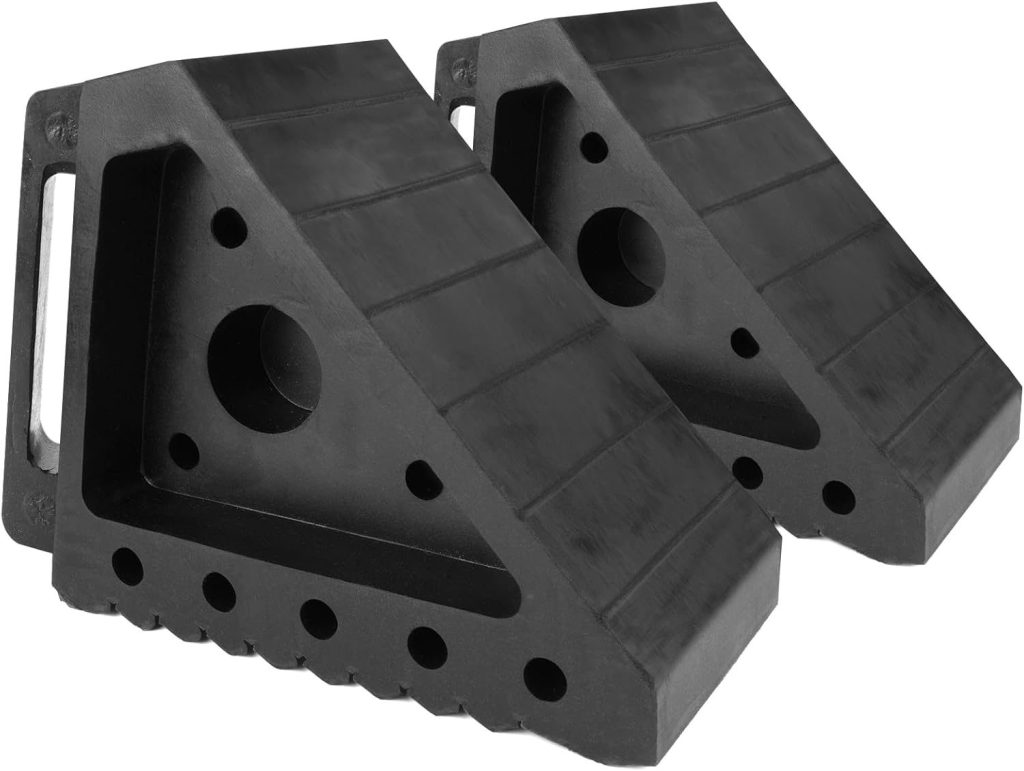
These wedge-shaped safety devices prevent parked vehicles from rolling on slopes or during loading operations.
Even a slight incline can turn a stationary 5,000 kg (11,000 lb) delivery truck into an unpredictable bowling ball. Wheel chocks prevent this dangerous movement by blocking wheels. Crafted from heavy-duty rubber, plastic, or steel/aluminum, their textured bases grip surfaces, keeping the vehicle firmly in place.
A proper chock measures about one quarter of the tire’s height and is wider than the tire. OSHA and FMCSA regulations require these tools whenever there’s risk of vehicle movement during loading, unloading, or maintenance. These essential safety devices secure everything from trucks and trailers to aircraft and construction machinery, acting like a digital handcuff on wheels. For a delivery truck on a slight incline, chocks are the critical anchor. Without them, you’re looking at a potential TikTok fail with real-world consequences.
13. Rotating Beacon Light
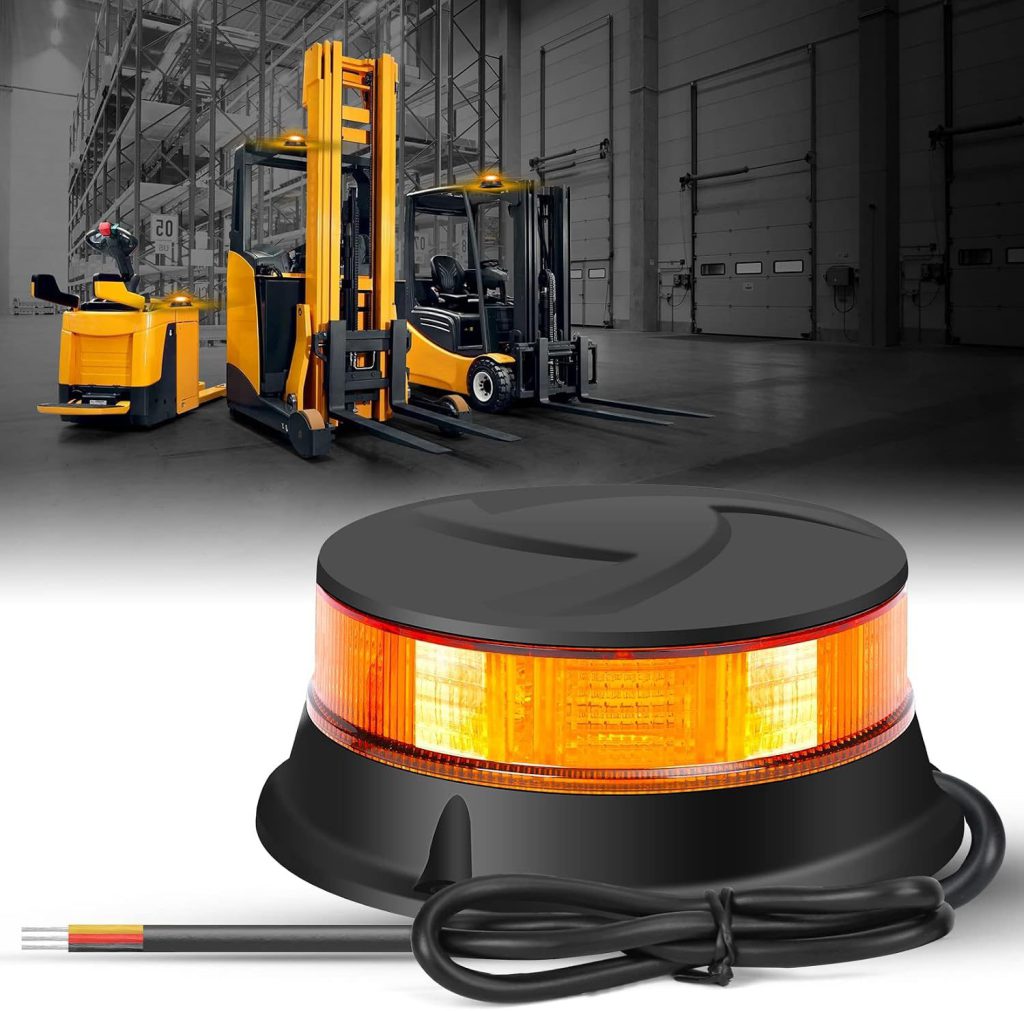
LED-powered warning beacons mark hazards and equipment status with eye-catching rotary or flashing patterns.
Nighttime construction zones demand clear signals for safety. These visual beacons, producing a bright rotating or flashing light, immediately warn of hazards and machinery status. Modern units leverage LED technology for simulated rotation or flash patterns, consuming less power than older halogen lamps while delivering higher intensity. Their robust housing—typically ABS plastic or aluminum alloy with a polycarbonate lens—boasts ingress protection ratings up to IP69K.
This rugged design ensures reliable operation in the nastiest environments, running on 12 to 24 V DC or 220 V AC. For construction workers delineating an active zone during nighttime repairs, these lights act like a neon fence, clearly marking danger. Amber/yellow variants signal caution, while red and blue are reserved for emergency services, cutting through the dark like a distress flare. This persistent visual alert is indispensable for accident reduction.
12. Roll Bar LED Light Bar
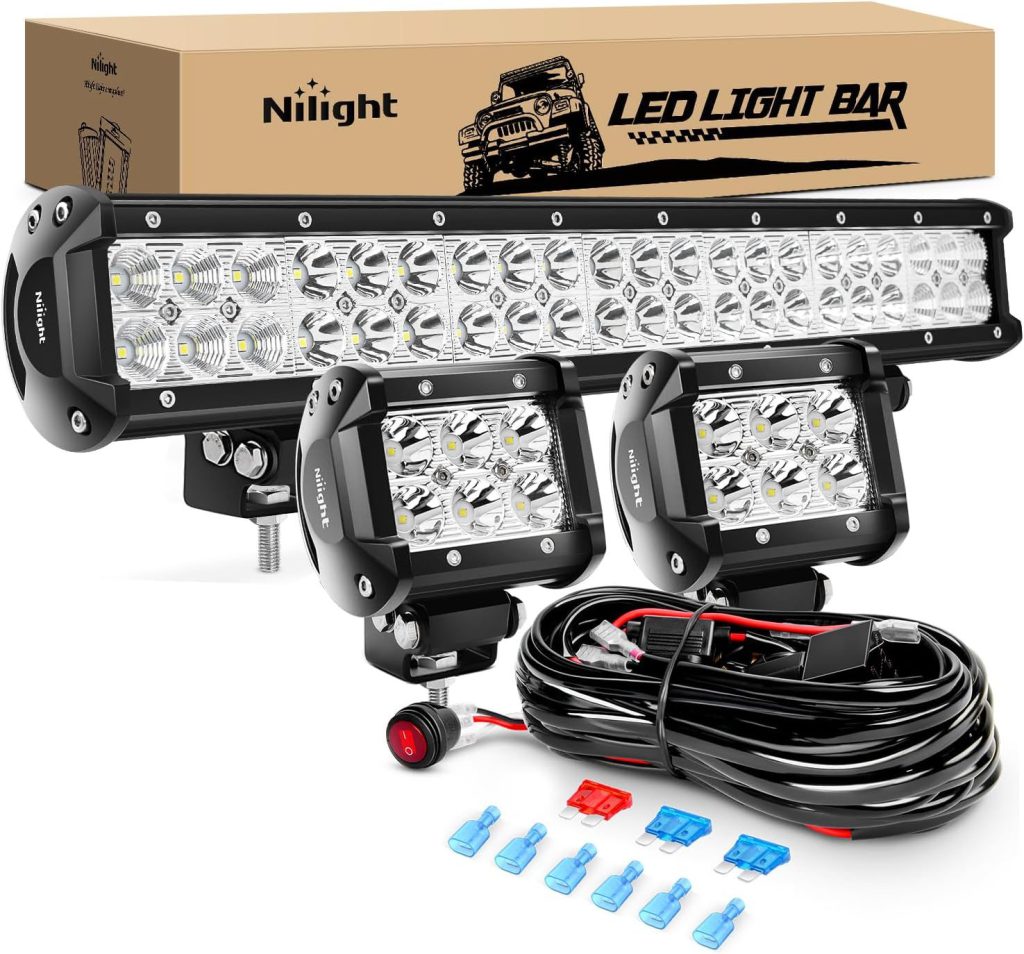
High-intensity LED arrays mounted on roll bars flood trails and work sites with wide-angle illumination.
Mounted to a roll bar or roof rack, this LED light bar transforms night into day for serious off-road endeavors. Its robust aluminum housing, complete with integrated heat sinks, ensures thermal management even during prolonged use—a necessary feature when you’re miles from the nearest paved road. The durable tempered glass or polycarbonate lens protects internal components, and with an IP67 to IP68 waterproof rating, it shrugs off everything from river crossings to torrential downpours.
Operating on a 12 to 24 V DC power system, with output options ranging from 50 W to 300 W and lengths between 20 to 50 inches, these light bars deliver serious illumination. An off-road enthusiast navigating a challenging forest trail after dusk will appreciate the combined spot and flood beam patterns. This setup projects a bright 6,000 to 6,500 K cool white light that covers both long distances and wide areas. Its rugged design ensures dependable performance in the most unforgiving environments.
11. Portable Air Compressor
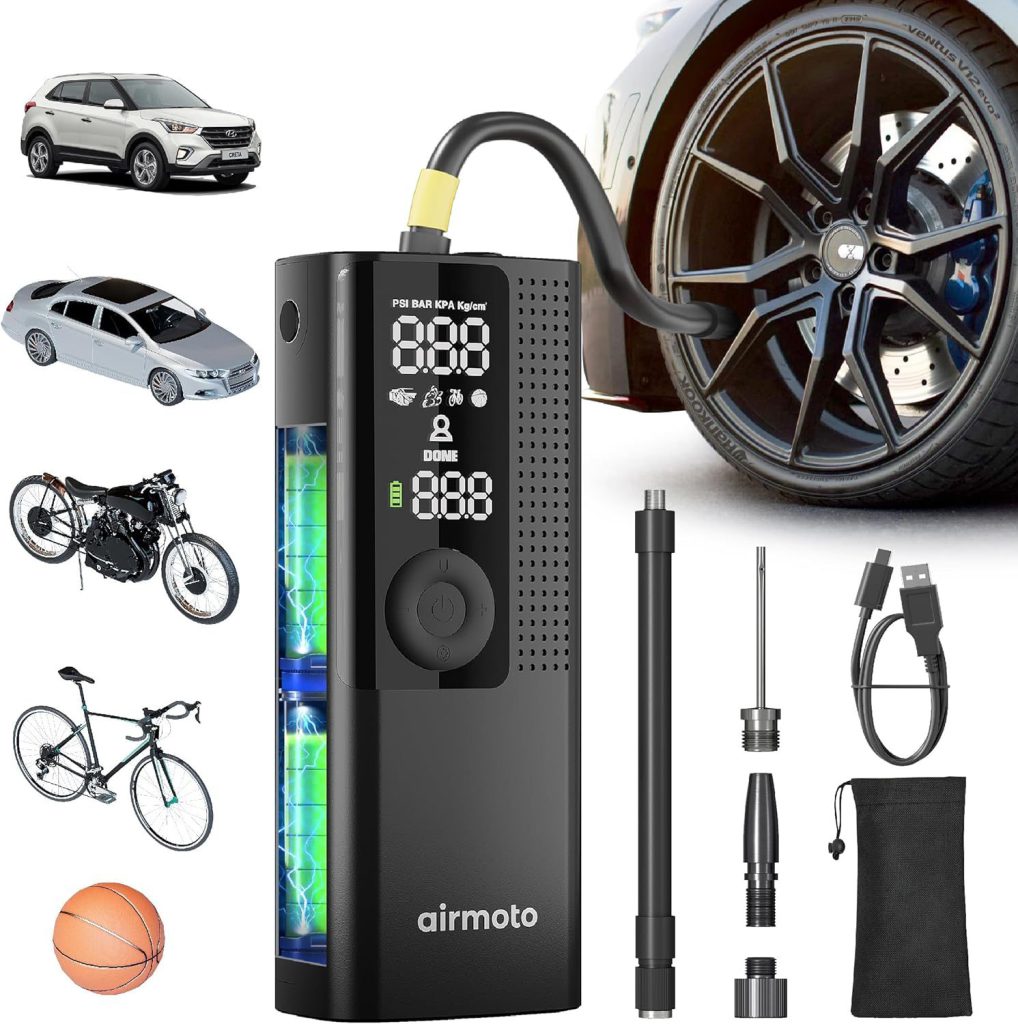
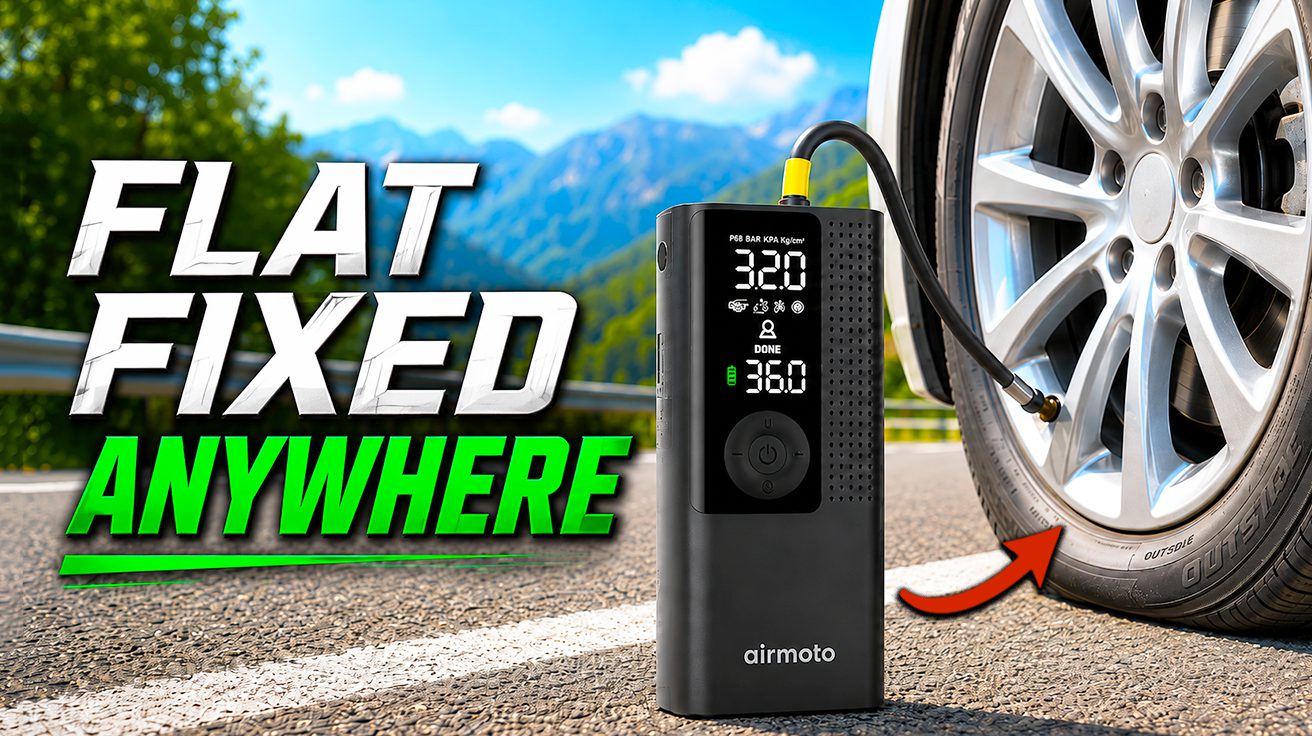
Battery-powered or 12V tire inflators provide roadside inflation with preset pressure and automatic shut-off.
A sudden flat tire in a remote area feels like a bad TikTok challenge you never requested. You’re miles from help, late, with sparse cell service. This compact tool, measuring roughly 12 to 20 cm long, offers immediate relief. It powers using a 2,000 to 5,000 mAh lithium battery or your car’s 12 V power outlet—a necessary lifeline when roadside assistance is hours away.
This compressor delivers up to 100 to 150 PSI, quickly inflating a struggling tire. For a driver finding a slow leak on a remote highway late at night, this device is essential. Its digital display allows precise pressure settings, while the auto shut-off prevents overinflation. An integrated LED work light illuminates the scene, transforming a potential disaster into a managed fix. Multiple valve adapters handle tires, sports balls, and inflatables with equal ease.
10. Heavy-Duty Floor Mats
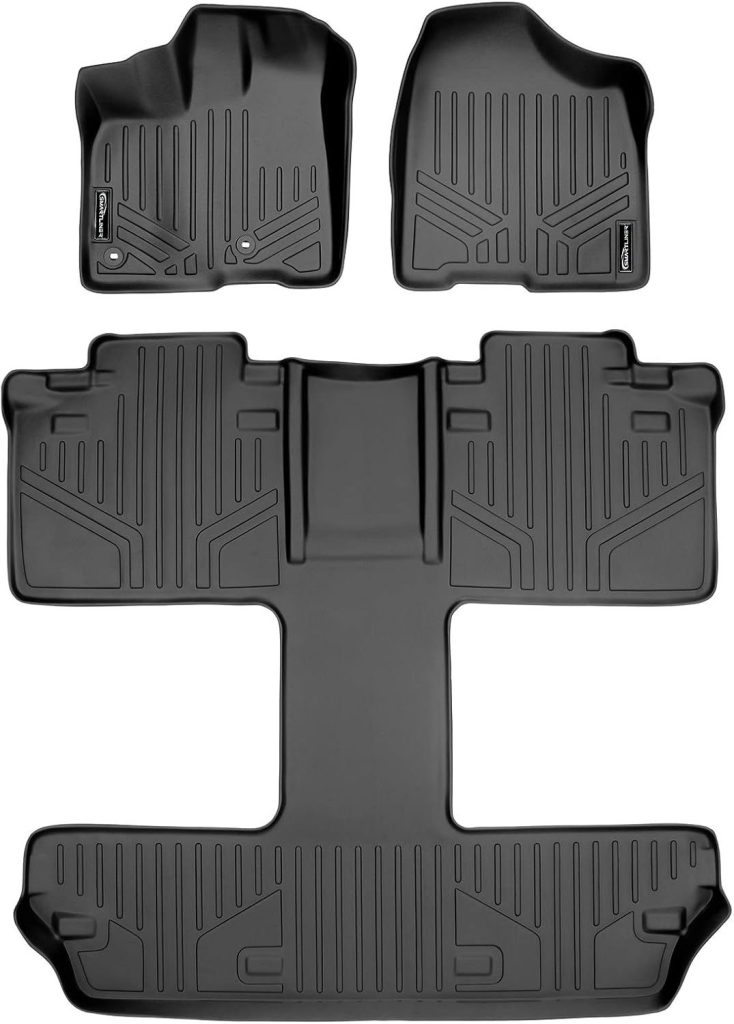
TPE rubber all-weather liners with raised edges trap mud and water while protecting OEM carpet.
Standard factory carpet mats offer little more than decorative fluff against real-world grime. You know the drill, especially after a rainy soccer match when muddy cleats turn your car floor into a biohazard zone. Robust, heavy-duty floor mats offer a superior defense. Made from TPE rubber, PVC, or thermoplastic elastomer, brands like WeatherTech and Husky Liners offer custom-fit mats laser-measured for specific vehicle models.
These mats boast deep channels and raised edges, acting like miniature dams to contain liquids and debris. An anti-slip backing keeps them firmly in place. Engineered to remain flexible across a brutal temperature range from –30 °C to +80 °C, they’re 100% waterproof and easy to clean with simple rinsing or wiping. This tough protection simplifies cleanup and preserves your vehicle’s interior, saving you future headaches and detailing bills.
9. Air Vent Cleaning Brush

Narrow detailing brushes with soft bristles reach between vent slats to remove accumulated dust.
Dashboard vents collect an impressive amount of dust, pollen, and debris—the kind of grime that makes you wonder if your car doubles as an air filter. An air vent cleaning brush is a small, narrow detailing tool designed specifically to reach into HVAC vents and tight crevices in your vehicle interior. Typical designs feature soft nylon or microfiber bristles to avoid scratching plastic trim, with heads narrow enough (around 1–3 cm) to fit between vent slats.
Many products include dual-ended designs combining a small brush with a microfiber sleeve or foam pad to wipe vent surfaces and dashboard seams. These brushes are commonly used in auto detailing to remove accumulated particles, improving cleanliness and perceived air quality. The gentle bristles and precise reach make them equally useful for electronics, keyboards, and home HVAC vents.
8. Head-Up Display (HUD)
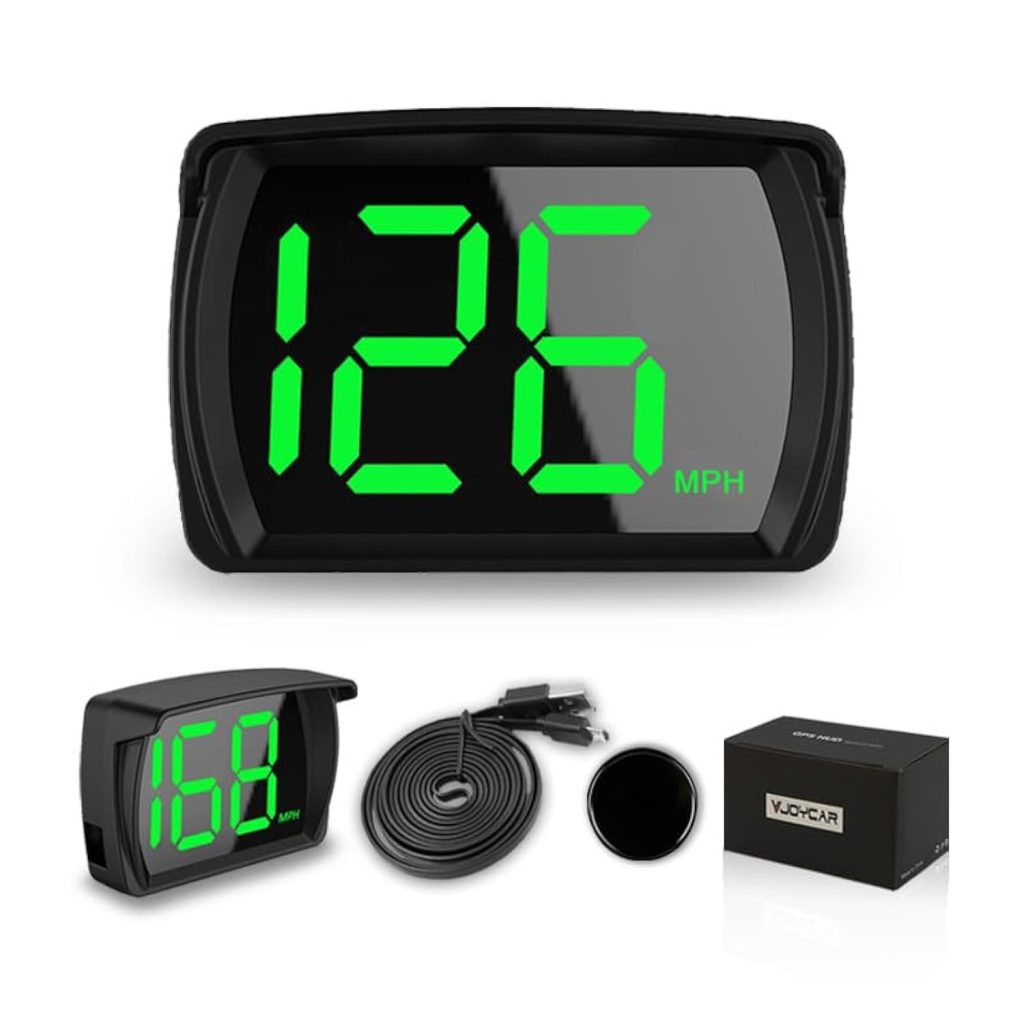
Windshield-projected displays show speed, navigation, and warnings without requiring eyes-off-road glances.
Technology constantly reshapes how you perceive your journey inside modern vehicle cabins. Head-Up Displays project critical driving information directly onto your windshield or a small combiner screen, keeping data in your immediate line of sight. This system pulls information from your vehicle via OBD-II, integrated CAN bus, or GPS. It employs LED, LCD, or laser projection to provide speed, navigation guidance, and driver-assist status.
For a busy commuter navigating complex city streets, this means no more glancing down at a dashboard. You see critical instructions and warnings without shifting focus. This dramatically reduces eye-off-road time, a key safety advantage on congested roads. HUD technology serves a crucial role in advanced driver assistance systems (ADAS), and increasingly includes augmented reality overlays in high-end vehicles.
7. Microfiber Cloth

Split synthetic fibers trap dust and oils without scratching, outperforming cotton for automotive detailing.
A quality microfiber cloth is made from very fine synthetic fibers—typically polyester and polyamide (nylon)—with fiber diameters often less than 10 micrometers. The split-fiber structure dramatically increases surface area and capillary action, allowing microfiber cloths to pick up and trap dust, oils, and moisture rather than pushing them around. This makes them non-abrasive and low-lint.
These cloths are widely used for automotive detailing, including cleaning paint, glass, and interior surfaces. They can often clean effectively with water alone. Compared with cotton, quality microfiber is more absorbent, quicker-drying, and more resistant to linting, while remaining machine-washable and reusable. Different weave types—plush, waffle, glass-specific—are tailored for drying, polishing, or glass cleaning, making microfiber a versatile tool in homes and vehicles.
6. First Aid Kit
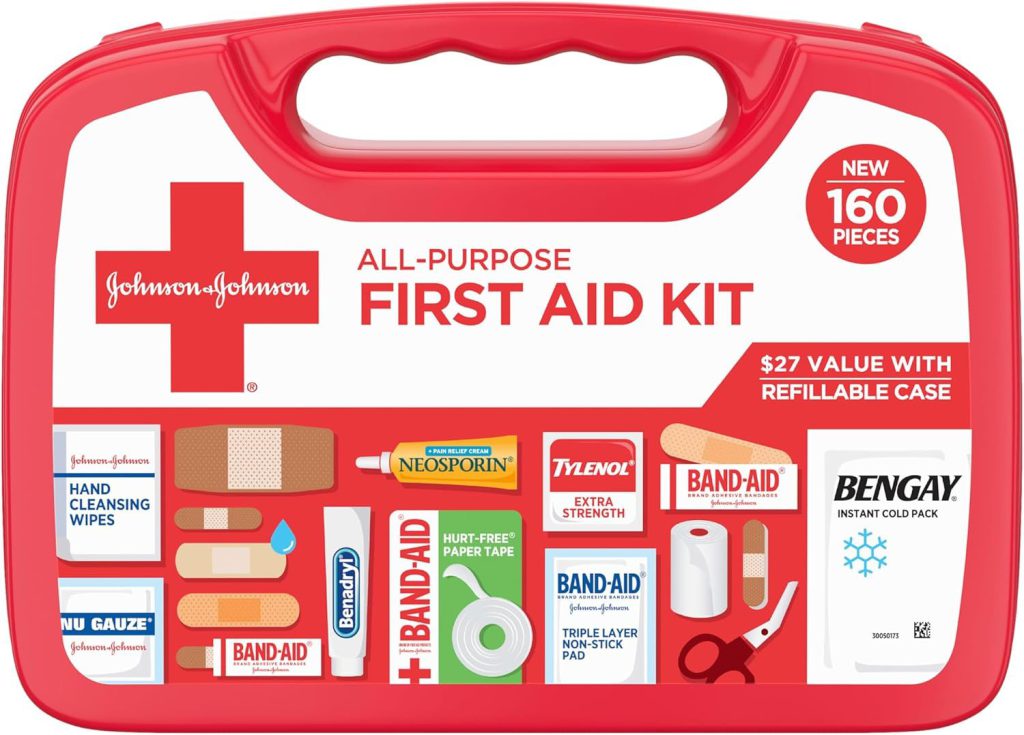
Organized collections of bandages, antiseptics, and emergency supplies provide critical treatment before professional help arrives.
A first aid kit is a collection of supplies and equipment used to give medical treatment in case of injury or sudden illness before professional help is available. Standard kits include bandages, sterile gauze, antiseptic wipes, adhesive tape, gloves, scissors, and CPR masks, among other items recommended by organizations like the Red Cross. Vehicle first aid kits are typically compact and portable, stored in cars, workplaces, and homes.
The container is often made from durable plastic or fabric with clear compartments to keep items organized and quickly accessible. Best practice is to check and restock kits periodically, replacing expired items and tailoring contents to specific needs (travel, off-road, workplace). These kits may be required or recommended by local regulations or workplace safety standards, making them both practical and potentially mandatory safety equipment.
5. Timing Light
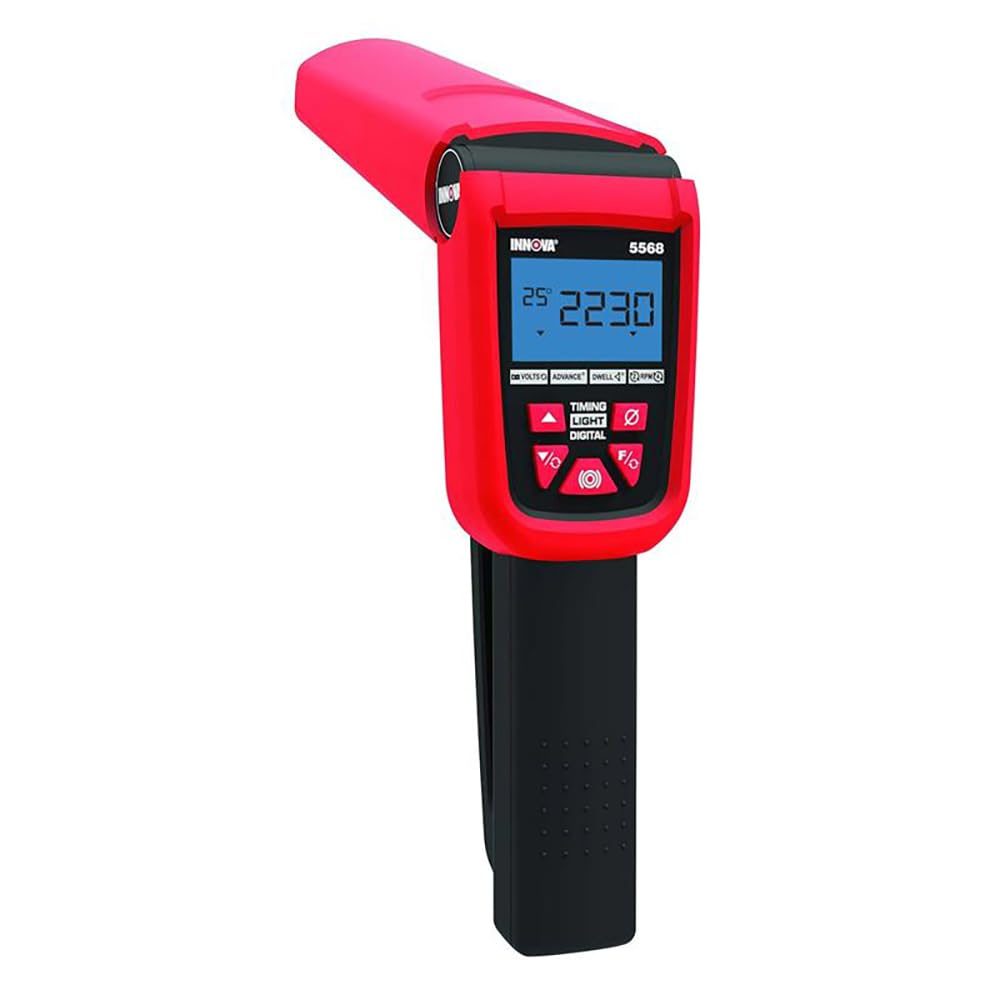
Stroboscopic tools sync with spark plug firing to reveal ignition timing marks on crankshaft pulleys.
A timing light is a stroboscopic tool used to check and adjust the ignition timing on gasoline engines by flashing in sync with a spark plug firing. The light clamps to a spark plug wire (often via an inductive pickup) and is powered from the vehicle’s 12 V battery, illuminating timing marks on the crankshaft pulley. By “freezing” the motion of the pulley, the mechanic can read the alignment of marks and adjust the distributor or engine control settings.
Timing lights are particularly relevant for classic cars, motorsport engines, and small engines where ignition timing is adjustable and critical to performance and emissions. Advanced timing lights may include RPM readouts, advance/retard adjustment, and digital displays to facilitate precise tuning. For anyone restoring a vintage muscle car, this tool transforms guesswork into precision.
4. BMW Z1

This limited-production roadster features vertically sliding doors and removable thermoplastic body panels.
Only about 8,000 units of the BMW Z1 were built from 1989–1991, making it a rare collector’s car. Its unconventional design featured vertically sliding doors that retracted into the sills; they disappear into the bodywork like a sleek magic trick. The thermoplastic body panels were another notable element, designed to be removable and interchangeable. The hood, trunk lid, and roof cover are made from fiberglass.
Underneath this unique exterior, the Z1 ran on BMW’s M20B25 2.5-liter inline-six engine, borrowed from the E30 3 Series with rear-wheel drive. Its steel monocoque chassis and high side sills offered rigidity and safety, letting you drive legally with the doors completely lowered for an open-air experience. This audacious automotive experiment solidified its legacy as a quirky, design-forward machine.
3. Stash Box
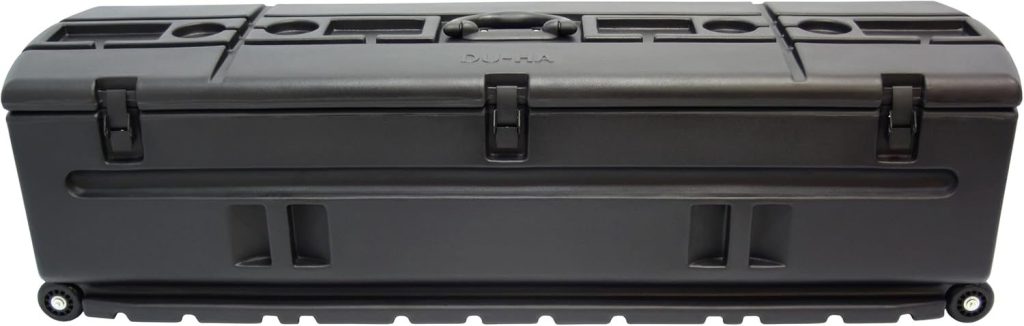
Tailgate-integrated cargo boxes leverage existing locks to secure items behind the gate without additional hardware.
Stash Box is a tailgate-integrated cargo box system that uses the truck’s existing tailgate lock to secure items stored in the bed area behind the gate. The original product concept was launched via Kickstarter and offered steel-reinforced plastic boxes designed to fit a range of full-size pickup trucks. Installation is intended to be tool-free, requiring no drilling, and uses the tailgate’s closure to lock and conceal the box.
This protects contents from theft and weather simultaneously. The system’s universality means it can be transferred between trucks, providing a modular storage solution compared with permanently mounted drawers or toolboxes. As a startup product, Stash Box demonstrates demand for hidden, lockable storage leveraging existing vehicle hardware rather than adding separate locks.
2. Hyundai Mobis e-Corner Module
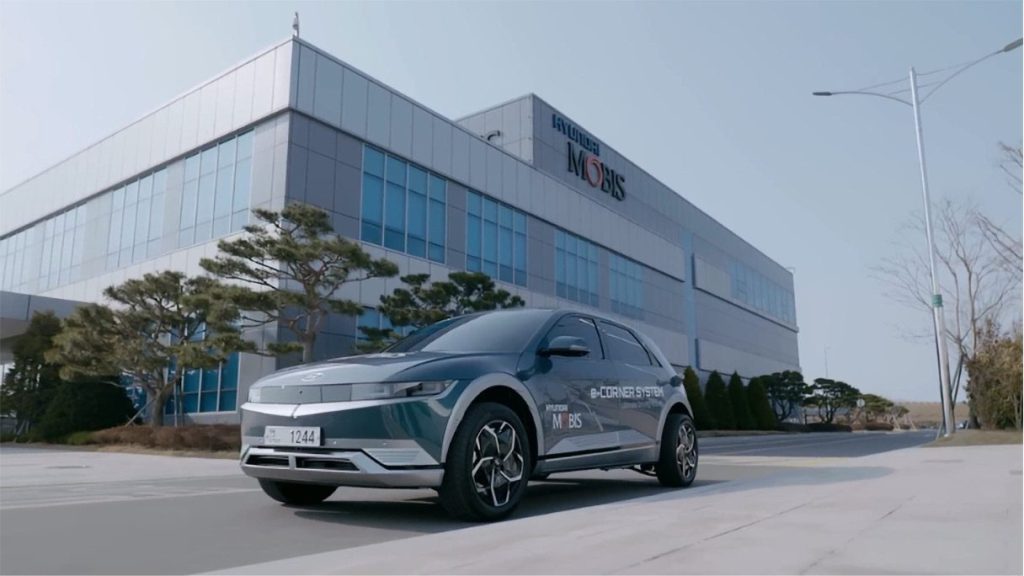
Integrated wheel-end systems enable 90-degree steering for crab-walking, diagonal movement, and zero-radius turns.
This integrated wheel-end system bundles an in-wheel motor, steering, braking, and suspension into each wheel. You can pivot each wheel independently up to 90 degrees. This allows your vehicle to drive sideways like a crab, move diagonally, or even perform zero-radius (on-the-spot) turns—maneuvers previously seen only in sci-fi or a well-choreographed shopping cart race.
The concept is aimed at future electric vehicles and urban mobility, improving parking ease and maneuverability in tight spaces. Challenges include increased unsprung mass and integration complexity, but Hyundai Mobis has demonstrated prototypes using four e-Corner modules. Public demonstrations showing parallel parking and crab-walking have gained widespread attention, highlighting potential changes in vehicle design and usage.
1. AeroMobil 4.0

This roadable aircraft transforms between four-wheeled car and fixed-wing flyer with folding wings.The AeroMobil 4.0 charts the ultimate horizon for personal transportation, effectively where the road literally meets the sky. This ambitious machine operates as both a conventional four-wheeled road vehicle and a fixed-wing aircraft. Powered by a Rotax 912 series piston engine, it’s designed for a cruising speed around 160 km/h (100 mph) with a flight range of roughly 600–700 km (around 410 miles).
Its innovative wings fold neatly along the fuselage for road mode, then extend for flight, enabling use on standard roads and conventional runways. A business professional could leave highway traffic, extend the wings, and soar to an intercity meeting. Anyone stuck in rush hour, watching planes glide overhead like digital nomads, knows that feeling. AeroMobil has conducted flight testing and certification efforts in Europe, incorporating automotive safety features (crash structure, seat belts) and aviation safety systems, positioning the 4.0 as a future personal air-mobility solution.