Independent tests on viral hotel door lock gadgets show many models can be easily bypassed with force or simple tools, offering little real security beyond acting as a deterrent. The deluge of clever marketing for travel gear that crumbles under real-world conditions creates noise that obscures genuinely useful products. This list cuts through that chaos, highlighting items that either earn their space or deserve to be left on the shelf. Every recommendation has been rigorously evaluated for utility, not shiny promises, to ensure practical benefit reaches your luggage instead of digital dust collectors.
1. Apple AirTag & Smart Trackers
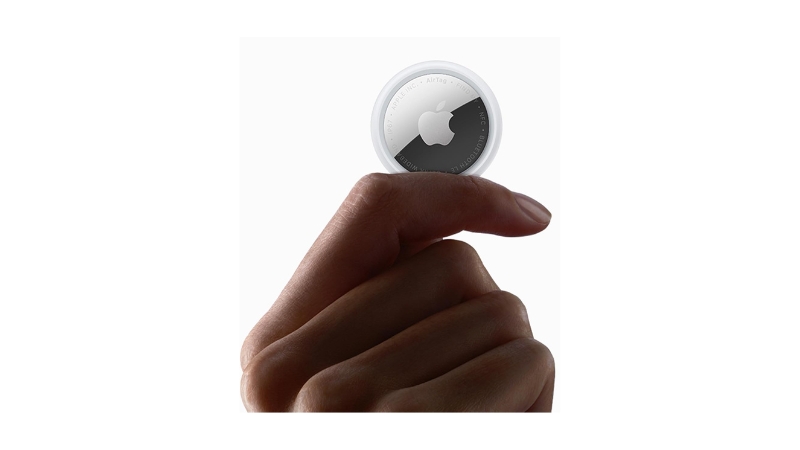
Overtly displaying tracking devices on luggage turns smart security into a flashing beacon for thieves.
Many travelers unknowingly invite trouble by dangling bright, eye-catching AirTag keychains or luggage tags. These accessories effectively advertise that something valuable enough to track lives inside, making bags prime targets. Apple’s AirTag, priced at $29, offers a powerful solution by leveraging the vast Find My network to locate bags anywhere in the world. Its user-replaceable CR2032 battery lasts about one year, providing consistent, low-maintenance tracking.
This device works best as a silent guardian, not a flashy accessory. Tuck the AirTag deep inside a lining, a hidden pocket, or a less obvious compartment. A subtle approach ensures tracking capability remains intact without giving away the game to anyone looking for an easy score.
2. Portable Hotel/Airbnb Door Locks
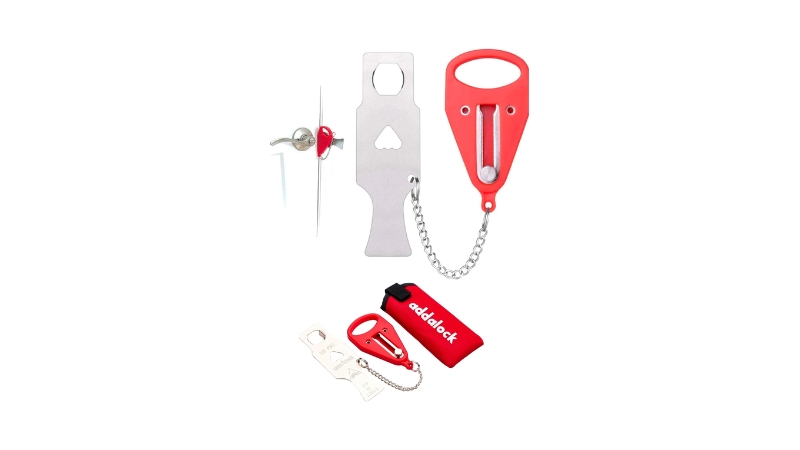
Independent tests found many portable hotel door locks can be easily bypassed with force or simple tools.
A detailed YouTube security assessment on a Premier Inn door demonstrated how these gadgets, which insert into a door strike plate, offer little real security. Anyone counting on these additions for safety discovers their limitations when seeing how flimsy the mechanism truly is. These devices do not reinforce the door frame or the existing latch, which are the actual points of weakness. Instead, they offer psychological comfort that often crumbles with minimal effort.
Trust the hotel’s existing, tested deadbolts and swing-bars. They are anchored to the frame for actual security, not just good vibes.
3. Auxiliary Hotel Door Straps
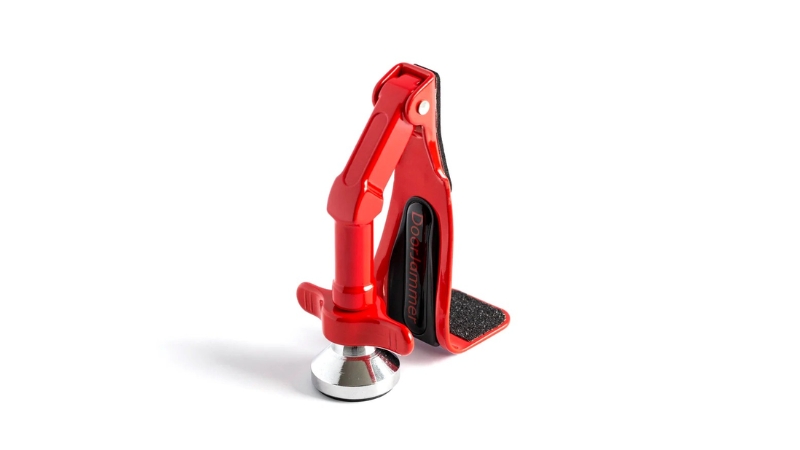
These straps work by redirecting significant force into tensile strength, bolstering existing security.
Auxiliary hotel door straps loop around the door handle and anchor to a solid point, often the hinge side of the frame, utilizing durable nylon webbing. This simple mechanism supplements existing deadbolts by making it considerably harder for unwanted entry. That unsettling feeling when key cards barely work and doors feel less secure than a TikTok trend dissolves with this strap acting as a physical firewall.
These devices provide a non-gimmicky solution for peace of mind when lodging feels a little too rustic for comfort. Compact, using strong materials like nylon webbing, they’re meant to supplement rather than replace existing locks.
4. Flight Foot Hammocks
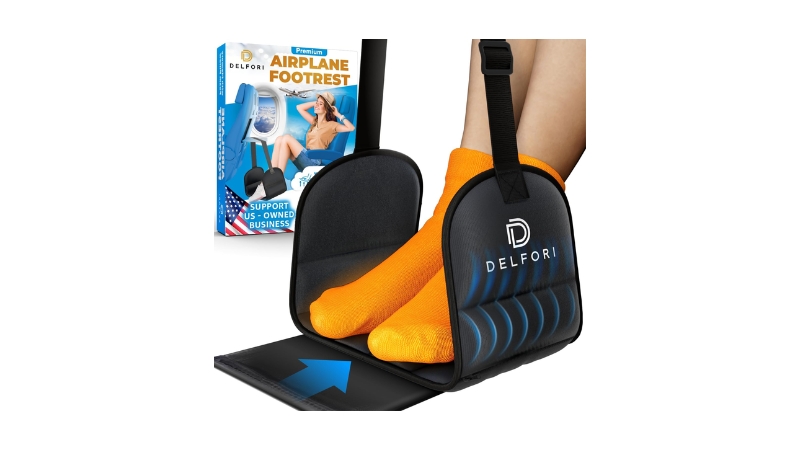
Many airlines classify devices that attach to seats or tray tables as unapproved modifications.
Flying economy already tests endurance limits. While flight foot hammocks claim to reduce back pain by elevating feet, many airlines prohibit them because they interfere with seat structure, tray function, or safety equipment. When attached to tray table arms, these devices directly jostle the seat in front.
Every leg twitch transmits to the passenger ahead, making their seat feel like a cheap massage chair gone rogue. Risk becoming the main character in someone’s viral travel fails reel instead of seeking temporary relief. Consider an inflatable footrest placed within personal legroom instead, where allowed by airline policy.
5. Away The Carry-On
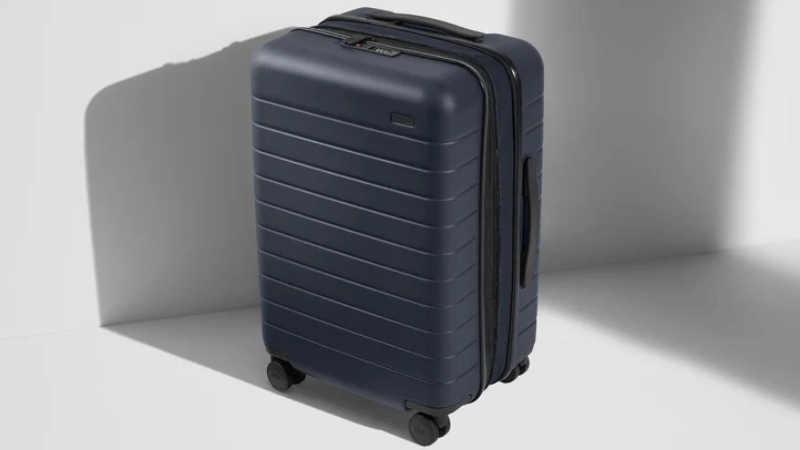
The Away Carry-On once dominated luggage but is now just one option among many competitors.
Its sleek polycarbonate hardshell popularized essentials like smooth 360° spinner wheels and interior compression straps. These features, once differentiators, are now industry standard, adopted by nearly every competitor. Airports once filled with a uniform parade of these minimalist rectangles.
Today, the carry-on market is a full-on cage match. The classic Away Carry-On at 21.7 x 13.7 x 9 inches (55 x 35 x 23 cm) might exceed stricter international or low-cost carrier limits, especially on depth. This once-dominant bag faces competition from Monos to Quince, forcing scrutiny of what truly delivers value for the next journey.
6. Monos Carry-On
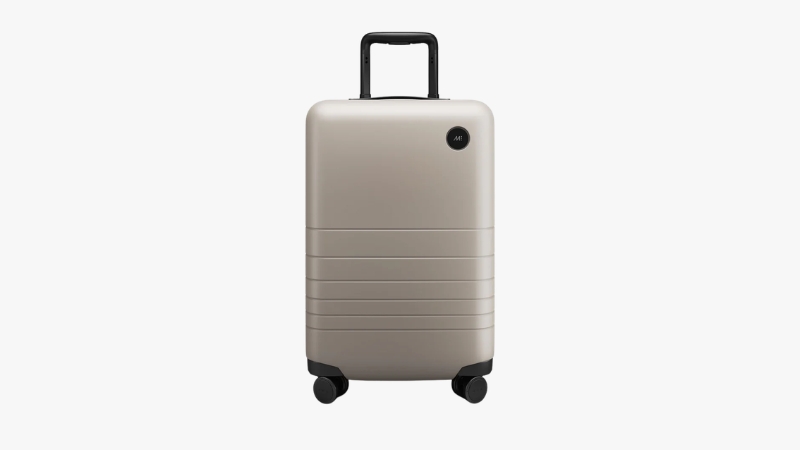
German Makrolon polycarbonate shell delivers superior impact resistance for veteran durability.
The Monos Carry-On construction handles the rough-and-tumble of baggage handlers like a veteran bouncer at a club, shrugging off hits. Measuring approximately 22 x 14 x 9 inches, it adheres to most North American airline limits. An anti-microbial interior lining keeps things fresh, while a built-in TSA-approved lock secures belongings.
For frequent flyers, this robust construction isn’t a luxury but a necessity, especially considering its lifetime warranty. Watching budget bags turn into post-apocalyptic messes after a few international transfers demonstrates the pain. The Monos Carry-On targets those demanding reliability over fleeting trends or gimmick features, ensuring travel companions remain steadfast through countless concourses and overhead bins.
7. Bellroy Carry-On (Transit / Venture luggage)
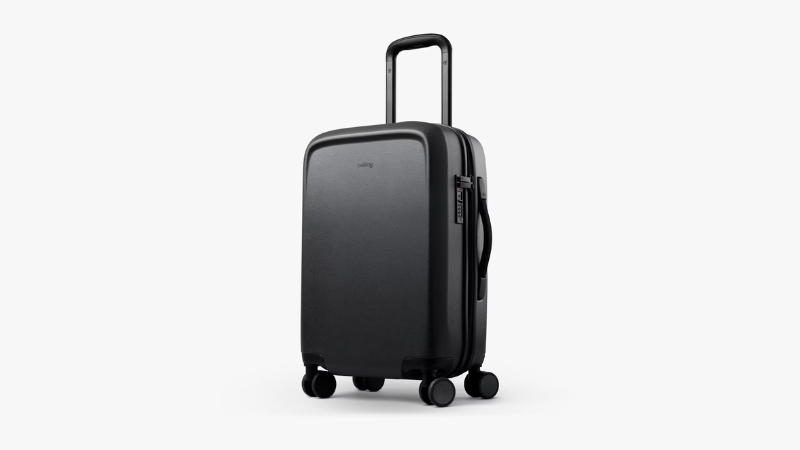
Bellroy commits to sustainable materials, using recycled fabrics and Leather Working Group-sourced leather.
Travelers increasingly demand gear reflecting conscious choices. Bellroy’s Transit Cabin Bag, a soft-sided option, offers 28–30 L capacity, fitting global carry-on limits. Dedicated compartments for clothes and tech make packing less of a tangled mess.
For harder protection, the Venture carry-on features a recycled polycarbonate shell, providing durable housing. This transparency refreshes, much like choosing vinyl over a streaming playlist. Eco-conscious travelers select Bellroy for responsible manufacturing. This ethical shift is now as vital as packing phone chargers.
8. Quince Hard-Shell Carry-On
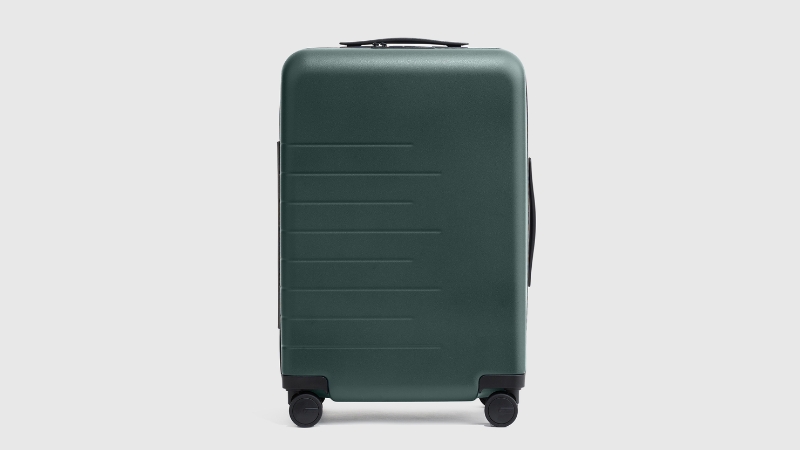
Reports suggest it hails from the exact same factory as some premium models at $150.
Access to premium travel gear no longer requires emptying wallets like a contestant on a game show. The Quince hard-shell carry-on, often dubbed a dupe for pricier brands, features a lightweight polycarbonate shell that stands up to airport baggage handlers, those modern-day gladiators of luggage.
Spotting a friend’s sleek new luggage and wondering if bank accounts can handle the hit, only to find their secret weapon was a Quince, proves that smart spending isn’t about cutting corners. This bag demonstrates finding the right shortcut to quality.
9. Member’s Mark Hard-Shell Carry-On
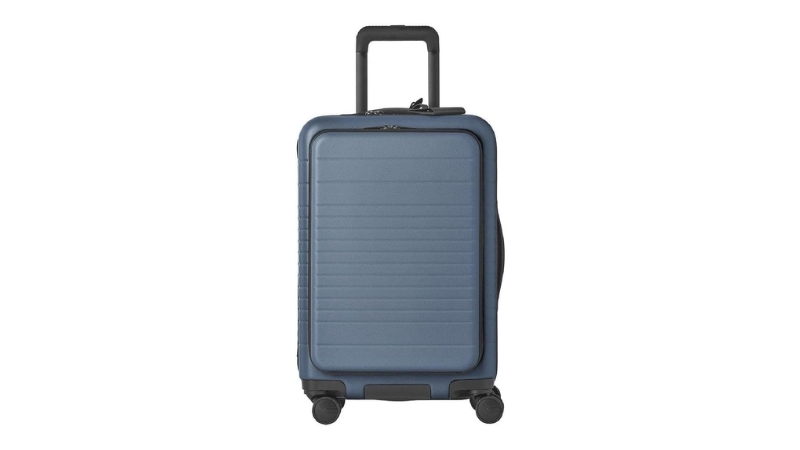
Sam’s Club’s private label offering costs a fraction of premium brands with ABS or ABS/polycarbonate shells.
Travel budgets often shrink before even booking flights, yet functional luggage doesn’t have to be a luxury purchase. The Member’s Mark hard-shell carry-on typically costs a fraction of premium brands. These suitcases provide a basic protective layer with built-in spinner wheels and handles, all at a price that keeps wallets happy.
Families planning annual summer trips, needing multiple carry-ons without draining vacation funds, find a straightforward solution here. The Member’s Mark model is simple, robust enough for a few trips, and entirely without pretense. It gets clothes from point A to point B without fuss, proving that sometimes basic utility is all that’s needed, especially when saving hundreds of dollars means an extra meal out on the itinerary.
10. Gimmick Carry-On (NOMADE / Noble)
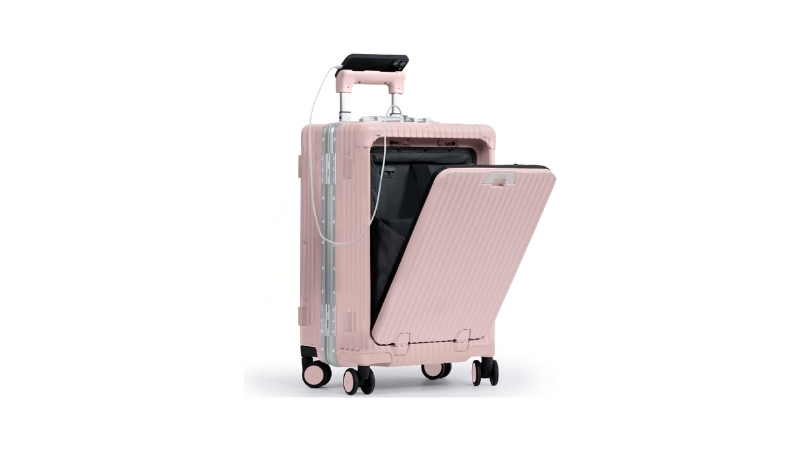
This bag’s dimensions exceed many airline carry-on limits despite being “permanently on mega sale.”
Travel companions with cup holders, phone mounts, and coat hooks load up on features that sound useful in TikTok ads but compromise the fundamental job of a suitcase. This “innovative” luggage often exceeds common airline carry-on dimension limits and is heavier when empty.
This empty bag alone clocks in at almost 4.1 kg (9 lb). Explaining its dimensions to airline agents at the gate when flights are boarding turns into a nightmare, especially when the gate agent is staring like contraband is being smuggled. Good luggage is light, durable, and fits in the overhead bin without fuss. It does not need a built-in brake or a tiny coat hook to prove its worth.
11. UV Self-Cleaning Water Bottles
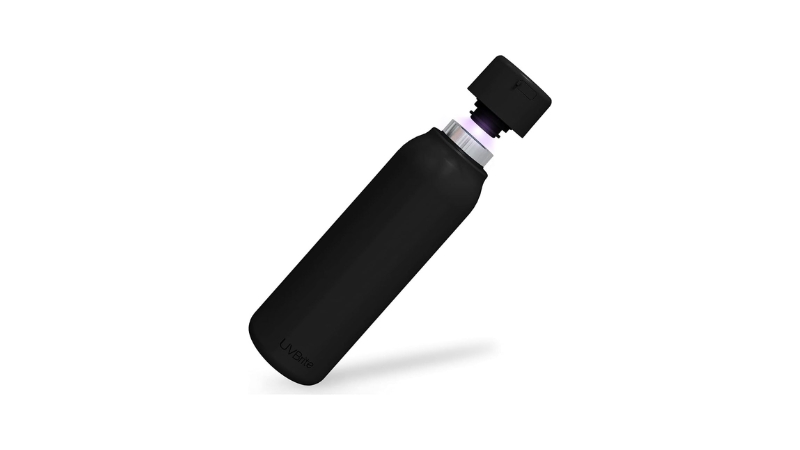
UV-C treatment inactivates many bacteria, viruses, and protozoa but doesn’t filter particulates, heavy metals, or chemical contaminants.
These bottles promise to sanitize water inside without filters or chemicals. A UV-C LED in the cap blasts away microscopic nasties, with this tech costing around $100. UV light operates more like a bouncer than a filter, targeting bacteria and viruses by zapping their DNA.
That’s a win for biological threats, but not a complete solution for truly questionable water. UV light doesn’t filter out sediment; murky water stays murky. It cannot handle heavy metals or chemical contamination, which means tap water in a sketchy hostel might still be a bad idea, even if sanitized. This distinction means getting sanitization, which kills microbes, not purification, which removes everything else. For travel in areas with serious water-quality issues, public-health experts generally recommend filtration or purification systems over UV-only bottles.
12. Owala Water Bottles
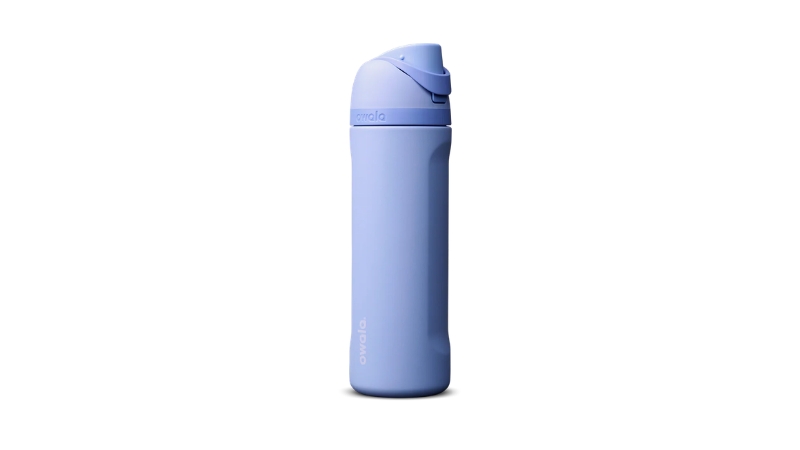
Its FreeSip design features a built-in straw and an open pour spout, letting users sip or chug from the same cap.
UV self-cleaning bottles promise pristine hydration but still demand a charging cable and relatively clear water to function. The Owala FreeSip design cuts through that noise, offering a simpler, more dependable approach to staying hydrated. Halfway through a cross-country flight, when thirst hits different, fumbling for a complicated cap is the last thing needed.
Beyond its intuitive design, the real magic is in its guts. This bottle utilizes vacuum-insulated double-walled stainless steel construction, creating a thermal barrier that keeps beverages cold for up to 24 hours, solid performance that rivals bottles costing twice as much. Priced at approximately $30, it provides genuine utility without unnecessary tech bells and whistles, a reliable workhorse getting from point A to point B without drama or unnecessary apps.
13. Over-Ear Noise-Cancelling Headphones
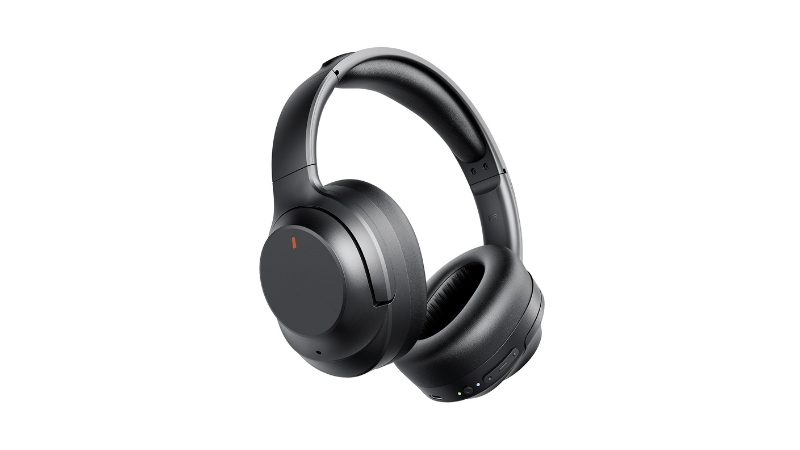
Saving $100 to $250 and packing something 90% smaller comes from opting for earbuds over bulky over-ears.
While premium over-ear active noise-cancelling models still deliver a robust sonic cocoon, blocking out airplane drone like a velvet rope in a VIP lounge, their physical footprint is undeniable. A full-size pair devours roughly a third of personal item bags, often weighing around 230–260 g.
Standing in airport security lines, eyeing carry-ons like a game of Tetris, wondering if these headphones are worth sacrificing precious space for socks becomes a familiar scene. Recent ANC earbuds have drastically narrowed the performance gap, offering impressive noise reduction in a much more compact form factor. The trend for quiet travel is shrinking, making compact audio solutions less a compromise and more a shrewd tactical move.
14. Anker Soundcore Liberty 5 Pro & Liberty 5 Pro Max (ANC Earbuds)
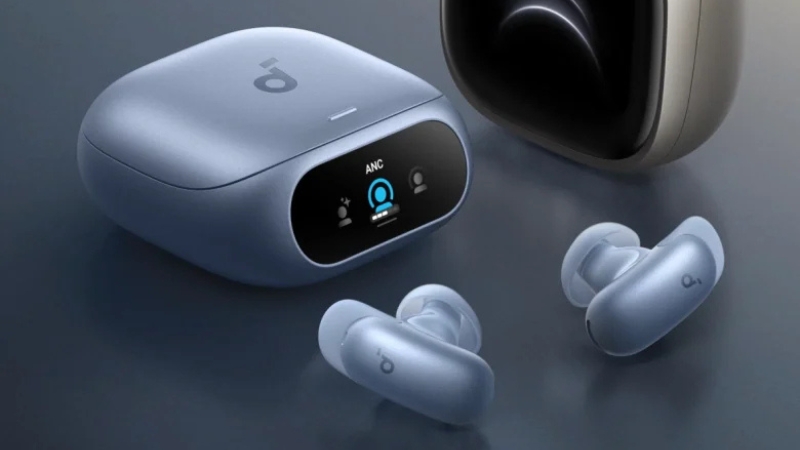
Anker advertises a Guinness World Record related to call clarity against flagship competitors.
Delivering noise cancellation comparable to the Bose QC Ultra and Apple AirPods Pro 2, the earbuds offer a formidable barrier against the world’s din. They pack neatly, fitting right in pockets, unlike bulky over-ear cans. The audio performance rivals premium competitors, but the real standout feature is call quality. Anker advertises a Guinness World Record related to advanced call quality using multi-mic arrays and AI noise reduction, ensuring voices come through crystal clear.
The Pro Max variant upgrades the experience with a touchscreen on the charging case, offering instant ANC and playback controls without pulling out phones. It integrates AI note-taking tools, enabling business travelers to capture hands-free meeting notes, which prevents fumbling mid-conversation. This immediate control proves its worth, a genuine moment for busy professionals. (Anker is a sponsor of this segment.)
15. Peak Design Tech Pouch
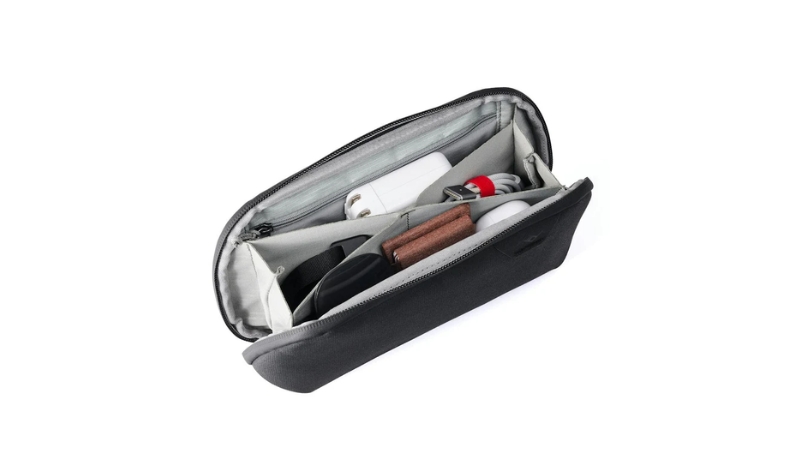
Measuring roughly 24 x 15 x 10 cm, this pouch becomes too thick to fit anywhere useful inside streamlined backpacks.
Many travelers, in their quest for digital order, often over-engineer their tech organization. The Peak Design Tech Pouch has become a poster child for this approach, meticulously crafted with numerous internal pockets, mesh panels, and accordion folds. Its design includes extensive organization for cables, creating a rigid structure more akin to a miniature filing cabinet than a flexible travel accessory.
Trying to slide it into a laptop sleeve or an exterior pocket feels like trying to cram a vintage camcorder into a modern smartphone slot. It consumes prime real estate that a minimalist traveler simply cannot afford. This relentless pursuit of a specific place for everything often leads to feature-creep, making the accessory itself a burden rather than a convenience.
16. Aer Slim Pouch 2
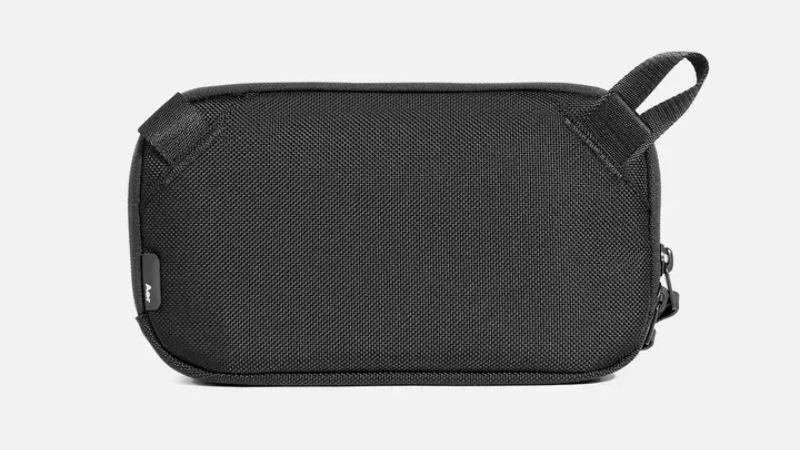
Built from robust 1680D Cordura ballistic nylon and reliable YKK zippers, it takes a beating.
Efficient tech organization often feels like chasing a unicorn, but this pouch makes it a tangible reality. The Aer Slim Pouch 2 earned its personal favorite designation for superior materials and smart design. Unlike rigid tech organizers, it remains flexible, conforming to tight spaces. Placed on a desk, it stands upright as a ready-to-use caddy.
Its minimalist internal layout ensures carrying only essentials, sidestepping the digital junk drawer syndrome. For digital nomads, this means less fumbling and more focused work. Just set it down, and charging bricks, cables, and portable mice are meticulously arranged, much like a bento box. Anyone tired of bag excavations to find a flash drive will appreciate its thoughtful utility.
17. Tomtoc Slim Tech Pouch
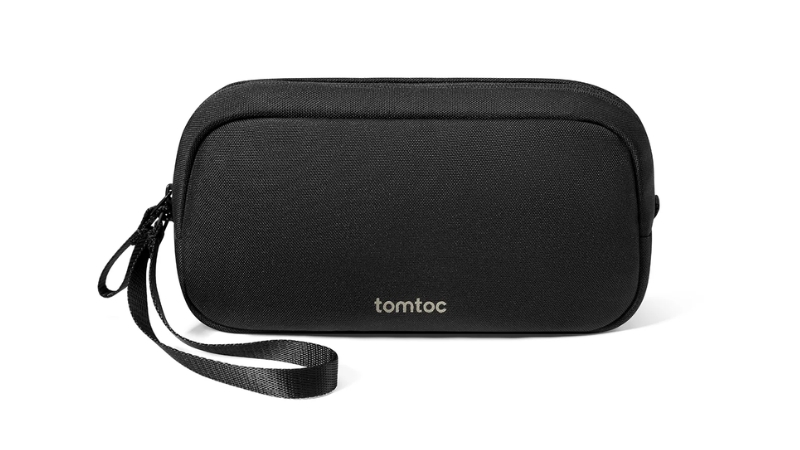
Positioned as a more affordable alternative to premium options while offering similar functionality.
Every student traveler knows the struggle: reliable gear protection is needed, but ramen budgets often force difficult choices on tech accessories. The Tomtoc slim tech pouch cuts through that dilemma, positioned as a more affordable alternative to premium options like the Aer Slim Pouch 2. This pouch features water-resistant fabrics and lightly padded structures, offering a compact, functional sanctuary for essential electronics.
Chargers, cables, and earbuds can be confidently stashed inside, knowing tech remains secure whether rattling around a bus overhead bin or simply making a cross-campus journey. This pragmatic design delivers essential protection without the hefty price tag, proving accessible quality isn’t a myth.
18. Vacuum-Compression Luggage Systems with Electric Pumps
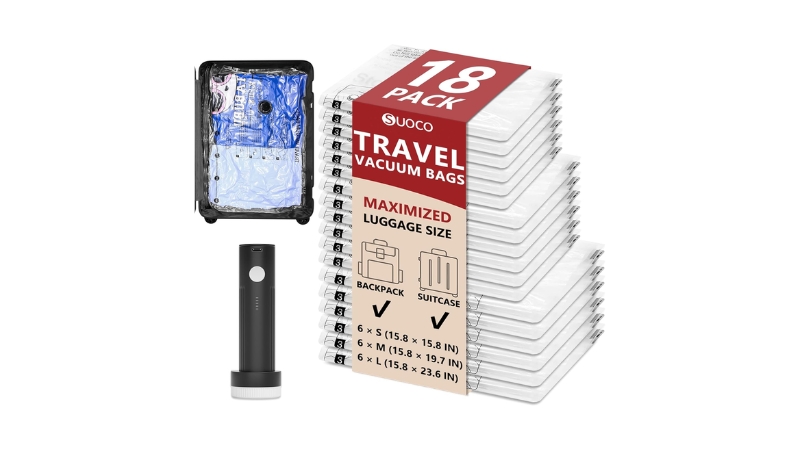
These systems compress bulky items but require a powered pump, adding weight, bulk, and the need to recharge.
Packing frustration makes the promise of vacuum-compression luggage systems seem like a godsend. These systems compress bulky items, letting a week’s worth of clothes fit into a compact carry-on. Yet, this convenience demands an electric pump to operate, transforming a simple packing solution into a potential travel nightmare. The pump immediately becomes a liability, adding another gadget that must be charged and one more thing that could unexpectedly break.
The real problem hits mid-trip when that pump fails. Suddenly stuck with a suitcase full of uncompressed clothes creates a logistical nightmare. Nothing can be recompressed, which means attempting to jam everything back into a bag designed for smaller loads, potentially exceeding airline limits. This dependency on a fragile electric component for basic luggage management is a risk no savvy traveler should take.
19. Zippered Compression Packing Cubes (Non-Pump)
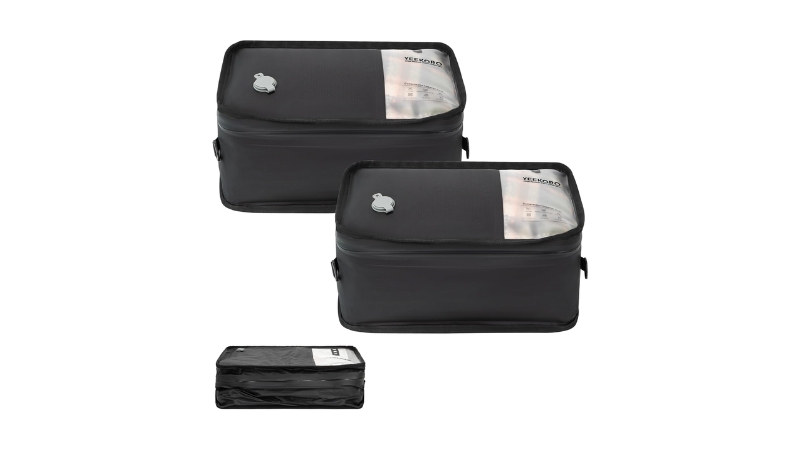
Compression cubes feature a secondary compression zipper that tightens around the cube after packing.
Airline carry-on restrictions demand smart packing, yet vacuum-pump systems add unnecessary complexity. Compression packing cubes operate on a straightforward principle: manually pressing all the air out of soft items. Their design centers on a robust main compartment and a secondary compression zipper, which cinches down the cube after it’s packed. This mechanical action means no batteries, no pumps, and no hunt for an outlet; just reliable, hands-on space reclamation.
This simple design offers reliability unseen in electric counterparts. A week’s worth of clothes can be effortlessly organized, transforming a chaotic pile into a neatly contained block that slides into carry-ons. Anyone who’s wrestled a bulging suitcase shut before a flight knows the immediate satisfaction.
20. Peak Design Ultralight Packing Cubes
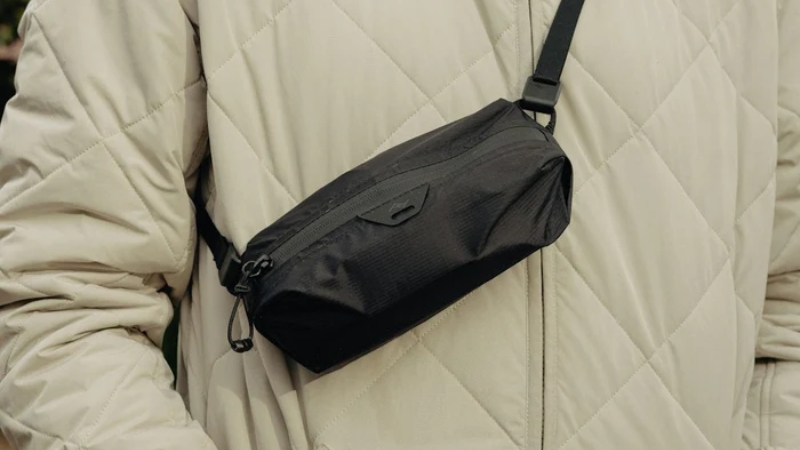
Crafted from 100% recycled, bluesign-approved ultralight ripstop-nylon, proving sustainability doesn’t sacrifice durability.
Intelligent design for minimalists means materials that work overtime without the extra baggage. Loading happens with the main zipper, then an external compression zipper goes to work, creating a quasi-vacuum effect. This dual-zipper system shrinks clothes, fitting more into tight spaces.
A one-bag traveler knows the struggle of fitting a week’s worth into a carry-on when options are key. This system makes that a non-issue. The quick-tear-open zipper allows instant access to specific items without unpacking everything. This smart engineering keeps gear organized and compact, all with eco-conscious materials from Peak Design Ultralight Packing Cubes.