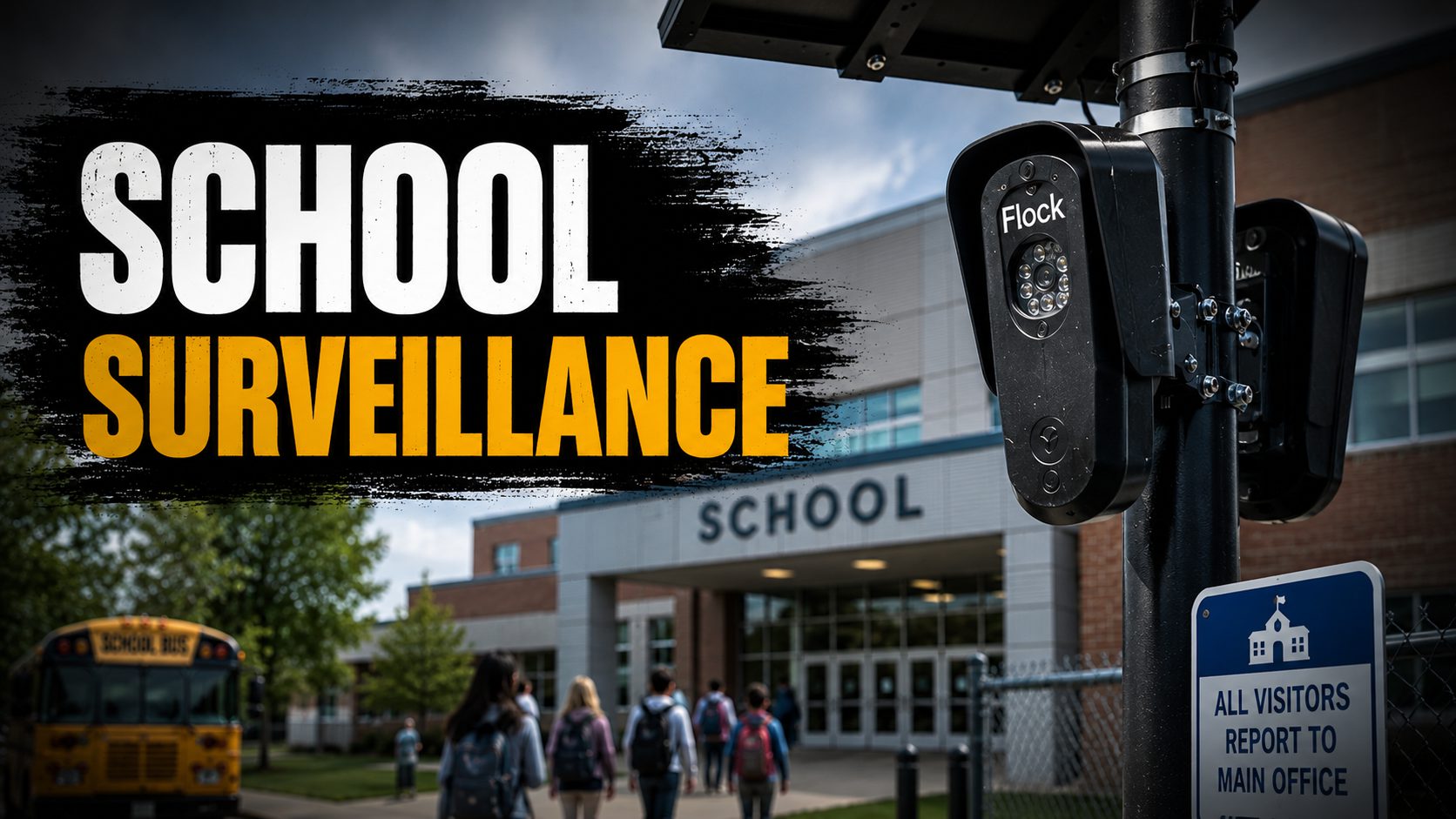
Eight pan-tilt-zoom cameras, one license plate reader, and two intersection cameras. That’s the hardware Councilman Adam Martinez wants installed near 14 public, private, and Catholic schools in Toledo’s District 2. Under his pilot proposal, police would access existing school camera feeds only during emergencies, 911 calls, or active calls for service. Each school signs its own memorandum of understanding with Toledo PD defining access terms — meaning no two schools are necessarily bound by identical rules. This kind of arrangement echoes how a surveillance app can be purpose-built for one goal yet expand in practice.
The logistics worth knowing:
- Five-year contract with Flock Safety
- Year one: $85,000, funded through the District Improvement Program
- Years two through five: $50,000 annually, paid by the city
- 14 schools participate; each negotiates its own MOU
- Toledo School for the Arts is skipping the license plate reader but considering a crisis management system connection
Most school parking lots already have cameras. The real question is who else gets access to the feed. Martinez pointed to a shooting near a Whitmer High School football game where Flock reportedly helped investigators identify a suspect vehicle. Several Catholic Diocese schools called the partnership an opportunity to improve emergency response and community safety. Martinez acknowledged Flock is controversial but argued that company-level concerns shouldn’t overshadow the school safety discussion.
The Part That Deserves More Questions
“Emergency only” access is a promise — enforcing it depends entirely on audit trails and MOU fine print.
For District 2 parents, the phrase “emergency access only” likely sounds reassuring. Whether it holds depends on who audits compliance. Martinez says the platform is auditable and Toledo PD follows strict protocols. Broader reporting on Flock, however, shows that data-sharing across agencies is governed by customer-controlled settings — not hard technical locks, raising concerns similar to those seen when platforms are caught secretly tracking users beyond their stated terms. With each school negotiating its own MOU, oversight terms could vary considerably from building to building.
Toledo isn’t experimenting in isolation. Other Ohio jurisdictions have expanded Flock deployments, making this part of a regional drift toward networked police surveillance. The meaningful shift: schools stop operating standalone security systems and become nodes in the city’s emergency response infrastructure. Think of it like Ring doorbell footage quietly flowing to local police — except the doorbell is mounted on a building full of children, and the footage is subject to a five-year contractual arrangement.
Council votes Tuesday. The MOUs each school negotiates individually will ultimately matter far more than any single yes vote — and those terms deserve the closest scrutiny.