Advanced AI prompts unlock outputs worth thousands of dollars in 15 minutes or less, transforming vague ideas into detailed marketing playbooks, fully animated websites, and strategic roadmaps. Mastering meta-prompting, role-based instructions, and structured output formats turns Claude from a chatbot into a specialist consultant who delivers publication-ready deliverables. The techniques ahead cover everything from designing 3D animated agency sites in natural language to building niche marketing frameworks that operationalize into 30-day action checklists. The difference between asking “How do I market real estate?” and engineering a multi-phase prompt that generates a 20-page viral strategy playbook is the difference between generic advice and a proprietary asset.
11. Claude AI

Anthropic’s flagship model processes up to 1 million tokens—turning generic questions into professional-grade strategy documents.
Anthropic’s flagship model processes up to 1 million tokens in a single conversation, yet most users settle for shallow outputs because they never learned the unlock code: precision in prompting. Generic questions get generic answers.
The Opus model, Claude’s most capable tier, excels at complex reasoning and long-form content when you feed it structured, detailed prompts instead of vague requests. A marketer asking “help me with Vegas real estate” receives a paragraph of platitudes. The same marketer crafting a detailed prompt specifying role, context, deliverables, and constraints walks away with a 15-page playbook complete with niche research, positioning strategy, and a 30-day action checklist.
Claude’s adaptive thinking mode adjusts reasoning depth dynamically. When paired with external web search tools, it pulls current market data into outputs, transforming robotic fluff into professional-grade strategy documents. The difference between disappointment and breakthrough often boils down to treating Claude like a junior hire who needs clear instructions, not a magic wand that reads minds.
10. Meta-Prompting Technique (“Prompt That Creates The Prompt”)
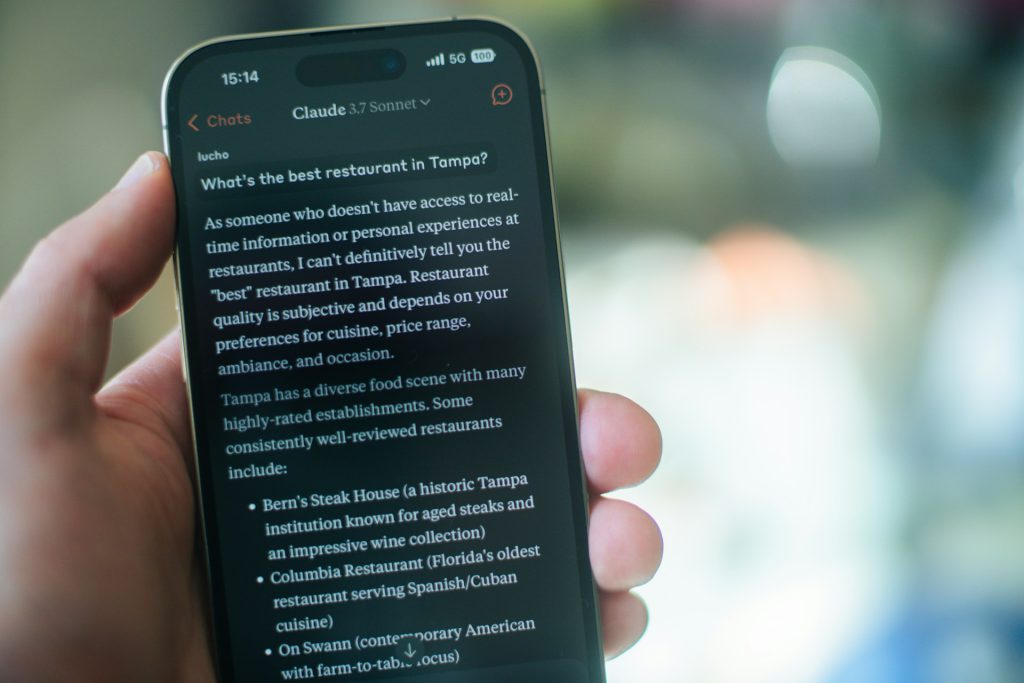
Asking Claude to generate the perfect prompt first—then running that prompt—unlocks dramatically better results.
Marketing workflow experts recommend asking Claude to generate a detailed, expert-level prompt rather than the final answer. This meta-prompting technique transforms vague intent into robust instruction sets that deliver dramatically better results.
The method defines a role (senior viral marketing strategist), objectives, a multi-phase workflow, specific deliverables, and constraints before Claude executes the task. A marketing manager who once struggled with broad AI requests like “help me market condos” now uses a meta-prompt to define an entire campaign workflow, specifying niche research phases, positioning frameworks, and 30-day action checklists.
Claude then outputs a 15-page playbook PDF with market data, audience profiles, content calendars, and conversion tactics tailored to Las Vegas relocators from California. This approach mirrors agentic workflow design, packaging strategy into repeatable skills that execute consistently. The result feels less like asking a chatbot for ideas and more like hiring a specialist who already knows your business inside out.
9. Multi-Phase Marketing Framework

Image: Unsplash
Four phases turn vague marketing intent into concrete execution: research, positioning, content, and conversion.
Anthropic’s documentation emphasizes that structured, detailed prompts specifying role, context, constraints, and output format yield dramatically better results than generic questions. Marketing professionals have translated that principle into a four-stage framework that transforms vague intent into concrete execution.
- Phase 1 covers niche research (audience profiles, competitor positioning, economic drivers)
- Phase 2 tackles positioning and brand narrative
- Phase 3 builds a viral content plan with a 60 or 90-day calendar detailing formats, hooks, and platform distribution
- Phase 4 handles amplification and conversion through retargeting, landing pages, and sales workflows
An entrepreneur drowning in marketing complexity can plug this framework into Claude, receive a 15-page playbook PDF, and walk away with a quarter’s worth of daily tasks already mapped. Instead of staring at a blank calendar wondering which platform to post on first, the agent sees exactly which neighborhood spotlight goes live Monday and which relocation webinar launches Thursday. Strategic intent becomes a checklist, anxiety becomes action, and guesswork gets replaced by a system anyone on the team can follow.
8. AI-Generated Long-Form Documents (PDF/Playbook/Guide)
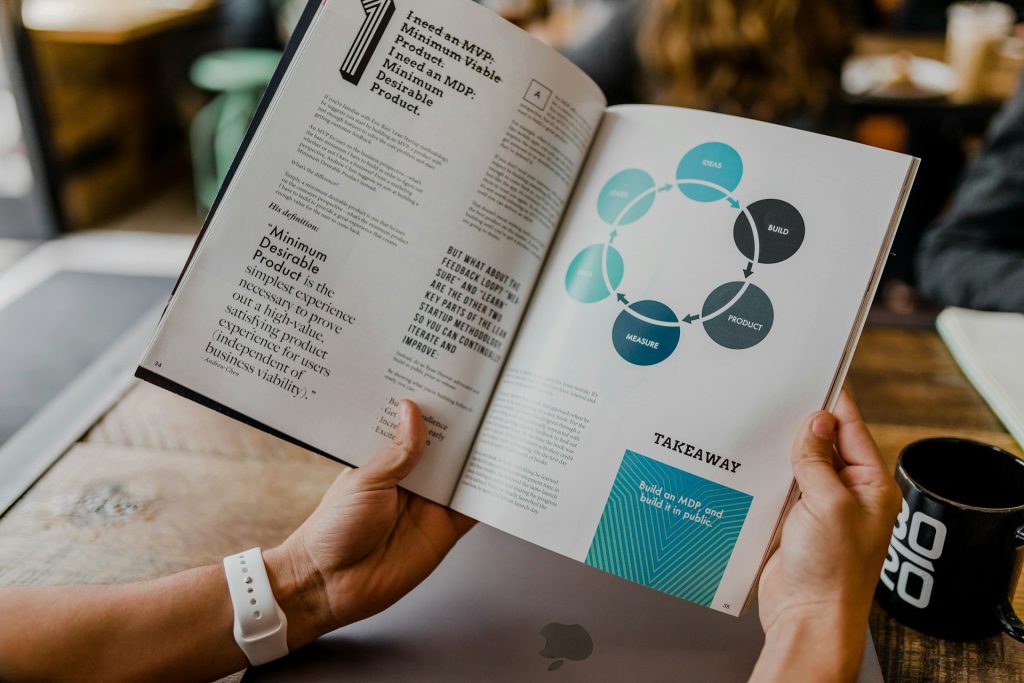
Claude generates structured 15+ page documents when prompts specify length, format, headings, and tone.
Claude can generate structured documents exceeding 15 pages when prompts specify length, format, table of contents, headings, target reader, tone, and level of detail. This capability transforms how consultants and marketers produce client deliverables, onboarding manuals, lead magnets, or paid digital products.
A consultant needing a comprehensive client report can prompt Claude for a 15-page playbook covering niche research, positioning strategy, viral content calendars, and conversion workflows; the output arrives in hours rather than the days manual drafting would demand.
The strategic advantage lies in producing high-value, structured content with minimal effort while maintaining consistency across sections and ensuring actionable depth throughout. These documents can package entire marketing frameworks, training materials, or implementation roadmaps into single assets that clients perceive as premium deliverables, effectively turning AI output into repeatable business value.
7. Las Vegas Real Estate Viral Marketing Playbook
Median home prices between $350k–$470k draw California relocators; Claude-generated playbooks turn that data into viral campaigns.
Median home prices in Las Vegas sit between $350k and $470k (as of recent brokerage data), drawing relocators from California, Washington, and Oregon. This multi-phase playbook, generated through Claude’s Opus model paired with web search tools, digs into that exact dynamic: strong inbound demand from higher-cost states, cooling short-term rental investment returns, and the ongoing strength of new construction in growth corridors.
It delivers market overviews, audience profiles (relocators, luxury buyers, new-build seekers), viral content recommendations built around short-form video and neighborhood spotlights, and a 30-day action checklist that operationalizes the strategy.
A new agent can feed the playbook’s niche research into daily posts, craft messaging that speaks directly to out-of-state buyers weighing tax savings and builder incentives, and avoid the trap of chasing trends that the data shows are cooling. Such a detailed, AI-generated guide turns abstract strategy into concrete daily tasks, offering a competitive edge in a market where everyone else is still winging their Instagram captions and hoping for the best.
6. 30-Day Marketing Action Checklist for Las Vegas Real Estate
Checklists bridge bold strategy and daily execution—establishing repeatable cadence vital for social momentum.
Strategic plans collapse without daily execution, so 30-day action checklists serve as the crucial bridge between bold ideas and real momentum. This practical layer transforms a multi-phase playbook into daily or weekly tasks that anyone on your team can follow.
Typical items include:
- Daily short-form video posts spotlighting neighborhoods and price comparisons
- Weekly deep-dive content on market trends
- Targeted outreach to relocation hotspots like California
The checklist establishes a repeatable cadence vital for building traction on social platforms and in referral networks.
A marketing assistant, for instance, uses this list to ensure consistent content production each morning and structured lead follow-up each afternoon, converting strategic goals into measurable actions that actually happen. Without this tool, even the sharpest viral marketing framework remains an impressive PDF gathering digital dust. The checklist converts high-level strategy into manageable steps you can delegate, track, and adjust as the Las Vegas market shifts.
5. Claude Design

Generates real HTML, CSS, and JavaScript from natural language—creating interactive sites with 3D effects and scroll animations.
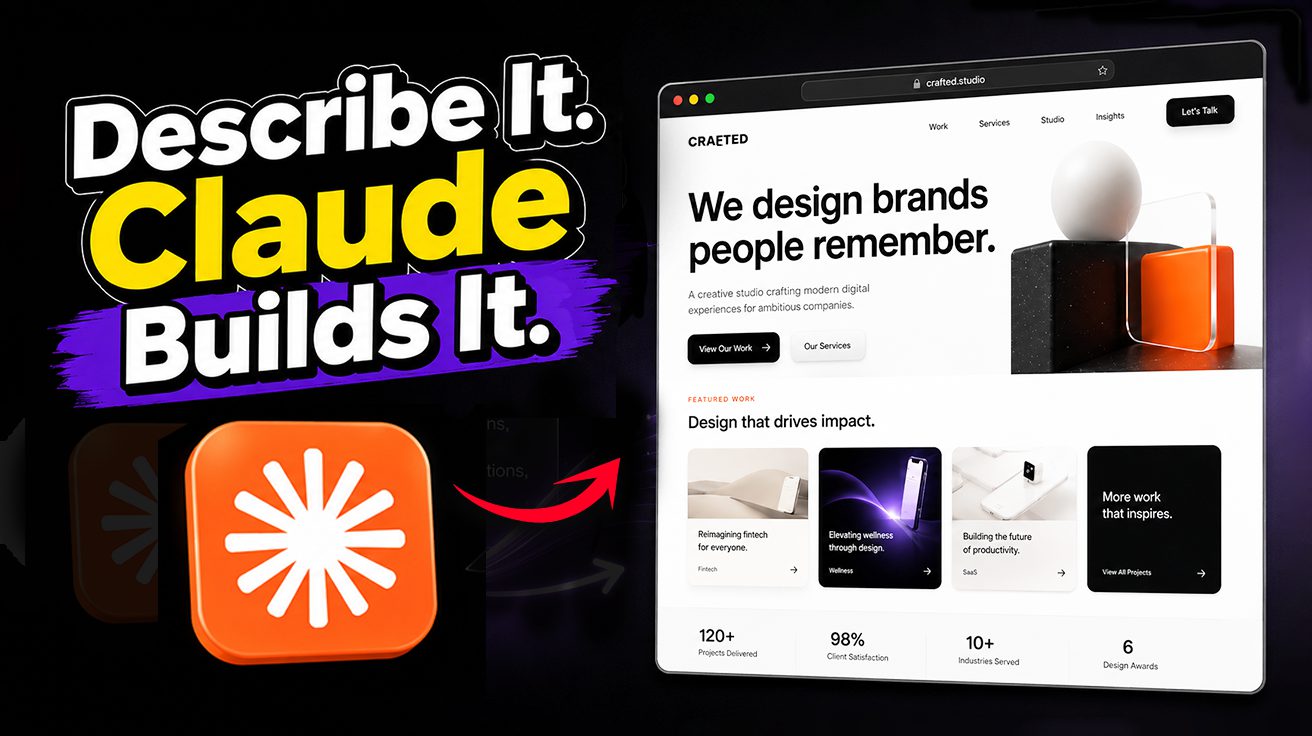
Claude Design generates real HTML, CSS, and JavaScript from natural language prompts, transforming text into fully functional web experiences that include 3D elements, scroll animations, parallax effects, and video backgrounds. Accessed via the browser at claude.ai/design, it offers high-fidelity or wireframe outputs, letting you choose between polished final designs or stripped-down exploration modes.
A developer recently used Claude Design to prototype an interactive landing page for a client, complete with layered depth, hover transitions, and scroll-triggered motion graphics, finishing in under an hour instead of the usual multi-day sprint.
The live preview lets you iterate with follow-up prompts, refining micro-interactions like easing curves or parallax intensity without touching a code editor. This feature turns vague ideas into production-ready sites that rival agency showpieces, proving that the gap between concept and launch has collapsed faster than anyone expected.
4. High-Fidelity, 3D, Animated Web Design Agency Website Prompt

Detailed prompts specifying audience, colors, typography, and animation level produce polished, interactive agency showcases.
Anthropic’s documentation and design guides confirm that detailed design prompts can produce 3D scroll animations and parallax effects previously requiring specialized frameworks. A high-fidelity design prompt must specify:
- Target audience
- Style (modern, award-style)
- Exact color codes (red gradients with black and white)
- Typography (Poppins bold fonts)
- Animation level
- Specific components like a hero section or portfolio
Requesting 3D effects and animations yields motion graphics, hover interactions, and scroll-triggered transitions. Precision in prompting directly correlates with the visual richness and interactivity of the final web product, eliminating weeks of manual animation work while maintaining brand consistency.
Once generated, developers export the code directly to frameworks like Next.js and Tailwind, launch sites on platforms like Vercel, and iterate based on client feedback. The workflow compresses traditional agency timelines from weeks to hours.
3. Poppins Font
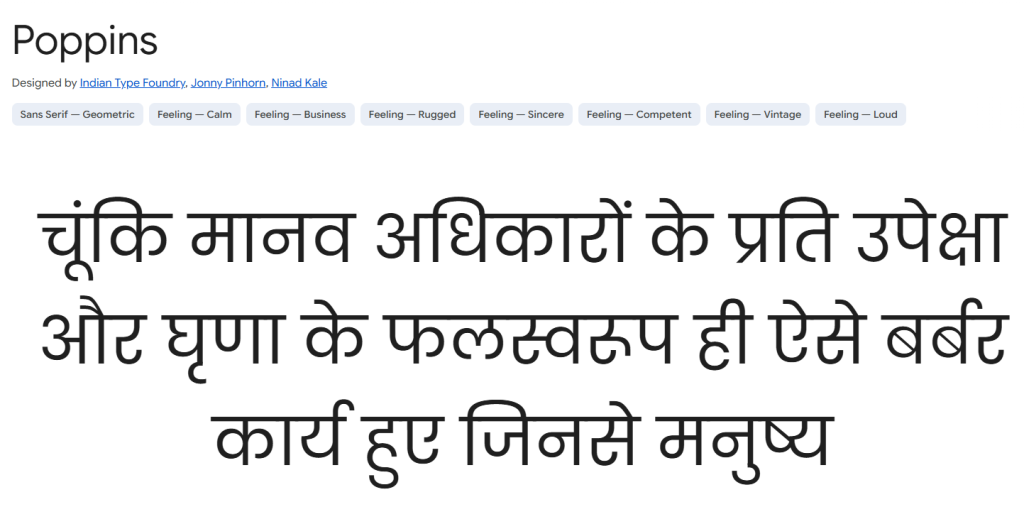
Google’s geometric sans-serif typeface delivers nine weights and crisp readability—ideal for animated, high-contrast layouts.
Designed by Indian Type Foundry and distributed through Google Fonts, Poppins supports nine weights, from Thin to Black, giving designers the flexibility to craft everything from whisper-soft subheads to bold, attention-grabbing headlines in high-contrast layouts.
That range matters when you’re layering type over gradient backgrounds or pairing it with subtle 3D animations that need typographic backbone without visual clutter. A web developer building a new portfolio site will choose Poppins knowing its crisp geometry resonates with tech-savvy audiences and pairs seamlessly with scroll-triggered effects or parallax motion.
The font’s readability holds up under animation stress, keeping text legible even when elements shift and scale. Being available via Google Fonts, it can be easily integrated into websites by importing the font in CSS and applying it to headings and body text. Poppins blends approachability with precision, making it a versatile anchor for dynamic digital interfaces that need to look sharp and stay readable across devices.
2. Client Assets Strategy (Using AI-Generated Guides)
Agencies now produce 15-page custom playbooks in under an hour—transforming how firms deliver branded, niche-specific value.
Agencies now produce 15-page custom playbooks and guides that are then branded and delivered to clients as part of onboarding or consulting packages. Using Claude with structured meta-prompts, professionals generate branded, niche-specific guides (a Vegas relocation buyer handbook, a market entry playbook for SaaS startups) tailored to each client’s geography, audience personas, and business goals.
The process starts by asking the AI to build the prompt itself, defining roles, research phases, content structure, and output format before generating the final document. This two-step workflow yields far deeper, more coherent material than a single vague question ever could.
Benefits include:
- Faster creation of niche-specific materials
- Ability to tailor content to each client’s location and goals
- Higher perceived value through detailed, professionally formatted documents
When every deliverable feels custom-built rather than templated, engagement climbs and repeat business follows.
1. Multi-Phase Marketing Framework Implementation Checklist
Converting strategic playbooks into daily tasks—the bridge between high-level vision and measurable execution.
The multi-phase marketing framework (niche research, positioning, viral content plan, amplification and conversion) follows a pattern used across AI-assisted marketing workflows. This structure closely aligns with modern promoter blueprints: traffic generation, nurture sequences, selling events, and conversion loops.
A well-defined framework makes it easier to turn into a Claude skill or playbook, so the AI can repeatedly execute the same high-quality process on different niches. Adding a 30-day action checklist at the end converts the strategy into concrete daily and weekly tasks that can be delegated or automated.
Claude can generate and adapt such checklists for different roles (agent, marketing assistant, content creator) and, when paired with web search tools, adjust them as market conditions change. This transforms abstract strategy into a system anyone on the team can follow, track, and refine.