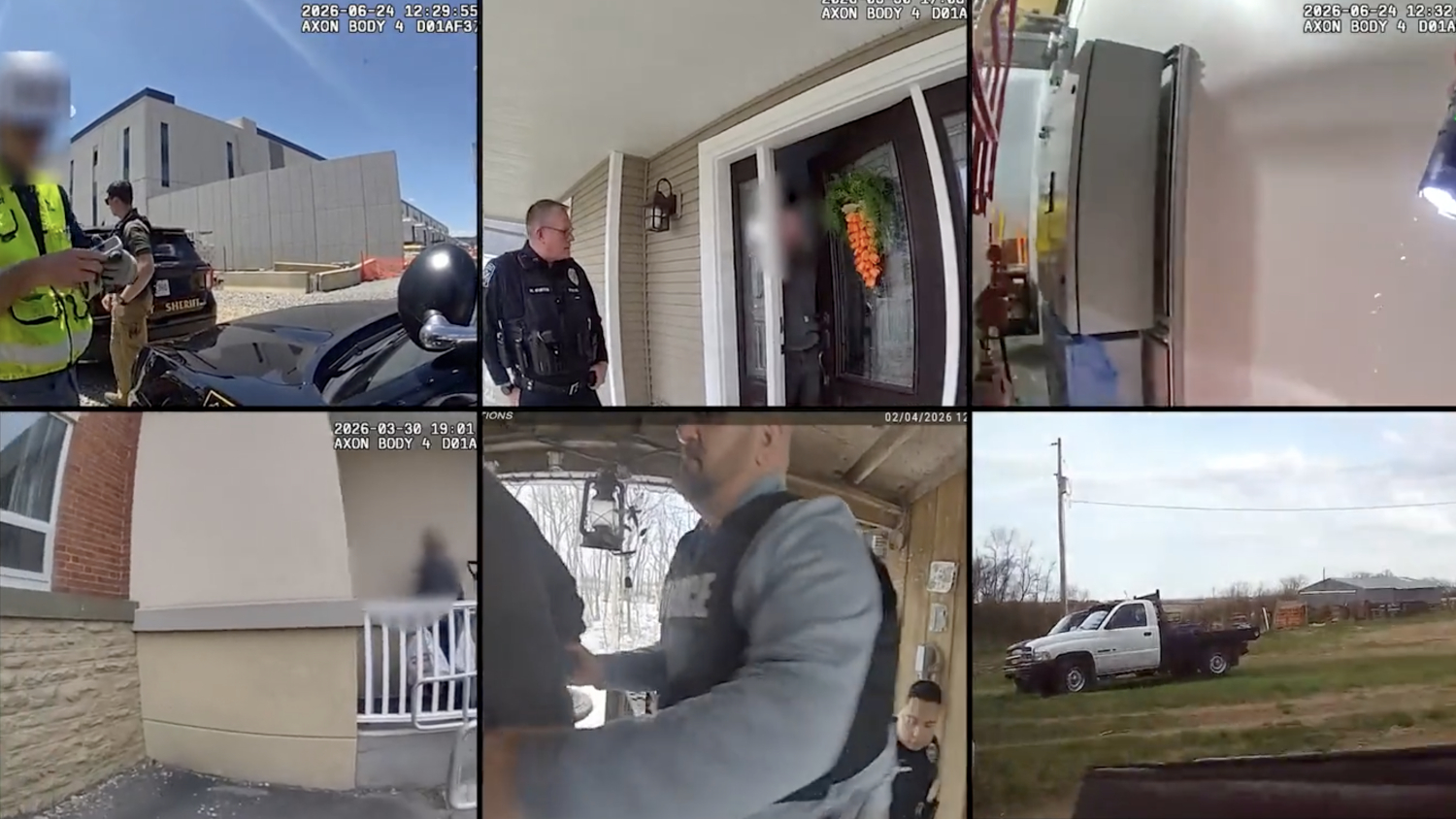
Somewhere in Del Paso Heights, a homeowner lit up roughly 20 illegal fireworks on the Fourth of July. Seven drones were already overhead, recording everything. The bill that arrived in the mail: approximately $100,000. Welcome to Sacramento’s new math, where Home Security Systems are no longer the only technology watching your property.
How the Math Gets to Six Figures
A per-device fine structure turns a backyard show into a financial catastrophe.
Sacramento’s 2025 ordinance update shifted penalties from per-incident to per-device. The first illegal firework costs $1,000. The second jumps to $2,500. The third hits $5,000, and every subsequent device adds another $5,000 to the tab — with launches near schools, parks, or the American River Parkway triggering $10,000 each. Fire Captain Justin Sylvia told SFGate the $100K citation reflected about 20 illegal devices at a single property.
That home wasn’t alone. On July 4 alone, Sacramento Fire issued roughly 70 citations totaling approximately $300,000. Previous years generated even steeper totals — Sylvia cited past cumulative fines of $1.2 million and $470,000, according to SFGate. Sacramento County has exceeded $3 million in fireworks fines in a single prior year, according to the Sacramento Bee.
Here’s what the drones actually do:
- Fly high-resolution cameras capable of reading house numbers from the air
- Geolocate each launch site and overlay it on Google Maps
- Record footage investigators review post-holiday to count individual devices
- Enable mailed citations to property owners — not just whoever held the lighter
- Keep firefighters away from active fireworks scenes, reducing confrontation risk
“Our drone footage is extremely clear,” Sylvia told SFGate. “There’s no trying to deny what we saw. We can cover a lot more ground, and it’s a lot safer for us.” This was the first year Sacramento flew its own certified fleet rather than relying on contractors previously funded by TNT Fireworks.
A Regional Playbook Taking Shape
Sacramento isn’t acting alone — neighboring agencies ran parallel drone operations on the same night.
Sacramento Metro Fire, the County Sheriff, and Citrus Heights all deployed drones simultaneously. Fire-related calls reportedly dropped compared to prior years. “We can place on a Google map exactly what house it was,” Sylvia told CBS Sacramento. Property owners bear liability even when guests light the fuse — a detail that lands like discovering your lease forbids pets after you’ve already adopted a dog.
Civil liberties questions linger around continuous aerial monitoring over residential neighborhoods, and legal observers note that aerial evidence collected above private property for administrative fines raises unresolved questions about oversight and data retention — echoing broader concerns about apps secretly tracking users without meaningful accountability. Those conversations remain quieter than the fireworks themselves.
Sacramento plans to add two more drones before next July 4. What started as holiday enforcement is quietly becoming surveillance infrastructure — and your neighbor’s backyard show already has an audience that never blinks.