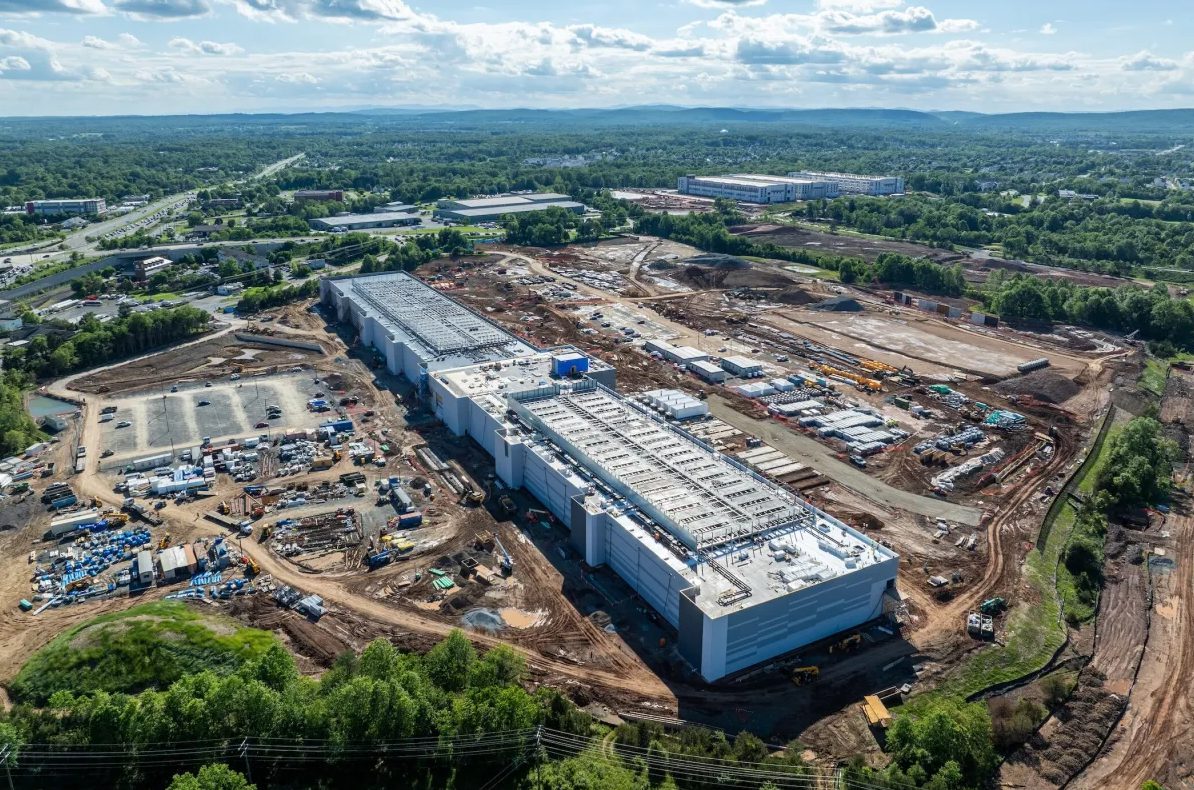
Twenty-two million square feet of data center space. Thirty-seven buildings. Fourteen electrical substations. All of it wedged between a Civil War battlefield and a state forest in western Prince William County, Virginia. On July 2, 2026, QTS Realty Trust — owned by Blackstone, the self-described largest financial investor in data centers globally — withdrew its Virginia Supreme Court appeal, and the Prince William Digital Gateway officially ceased to exist. The cause of death? A newspaper publishing schedule.
A Six-Day Gap That Swallowed a Mega-Campus
Virginia’s Court of Appeals voided the entire rezoning because the county failed to follow its own public notice rules.
In March 2026, the Virginia Court of Appeals issued a unanimous ruling declaring the rezoning void ab initio — legalese for “this never happened.” The Prince William County Board of Supervisors had approved the rezoning in December 2023, but failed to meet Virginia’s requirement of six days between newspaper notices before the public hearing. Circuit Court Judge Kimberly Irving had already flagged inadequate notice, insufficient review, and unlawful waivers of required analyses. The appeals court didn’t send it back for a do-over. It erased the approvals entirely.
The project’s scale was staggering:
- 2,100-plus acres along Pageland Lane
- 37 data centers
- 14 substations
- Roughly 22 million square feet sitting directly adjacent to Manassas National Battlefield Park and Conway Robinson State Forest
QTS (Blackstone) led development; Compass Datacenters (Brookfield) served as co-developer before dropping its own appeal. Prince William County spent nearly $2 million in taxpayer funds defending the rezoning before quietly exiting the litigation.
Preservation groups called it an “outrageous proposal” that would place “the largest data center campus on Earth” between a national battlefield and a state forest, according to the American Battlefield Trust. Developers countered with promises of tens of billions in investment and thousands of jobs. The procedural failure made that debate academic.
The opposition isn’t local noise, either. A Gallup survey from May 2026 found 71% of Americans oppose data center construction in their area — with 48% strongly opposed, a level of hostility that exceeds resistance to a nearby nuclear plant. That’s a national pattern developers can no longer dismiss.
Blackstone Isn’t Leaving — It’s Repositioning
The same week this project died, Blackstone closed a $7.8 billion data center deal in the same region.
Days before QTS dropped its appeal, Blackstone-affiliated funds agreed to sell stakes in three Northern Virginia data centers to Digital Realty in a transaction valuing those assets at $7.8 billion, according to Reuters and Bloomberg. That’s not retreat. That’s the private-equity equivalent of selling the house at peak pricing while keeping the neighborhood connections. Existing, fully leased facilities in top markets carry far less political risk than speculative mega-campuses next to nationally significant historic ground.
The cloud runs on concrete, steel, and water. When that infrastructure collides with a Civil War battlefield and a county government that skipped the newspaper rules, communities discover they hold more leverage than anyone — including Blackstone — assumed.